
guide -
15 Best Castles in Europe That Look Like Fairytales
The best castles in Europe that look straight out of a fairytale include Germany's Neuschwanstein Castle, the inspiration for Disney's Sleeping Beauty castle, Spain's majestic Alhambra with its intricate Moorish design, and France's opulent Château de Chambord in the Loire Valley
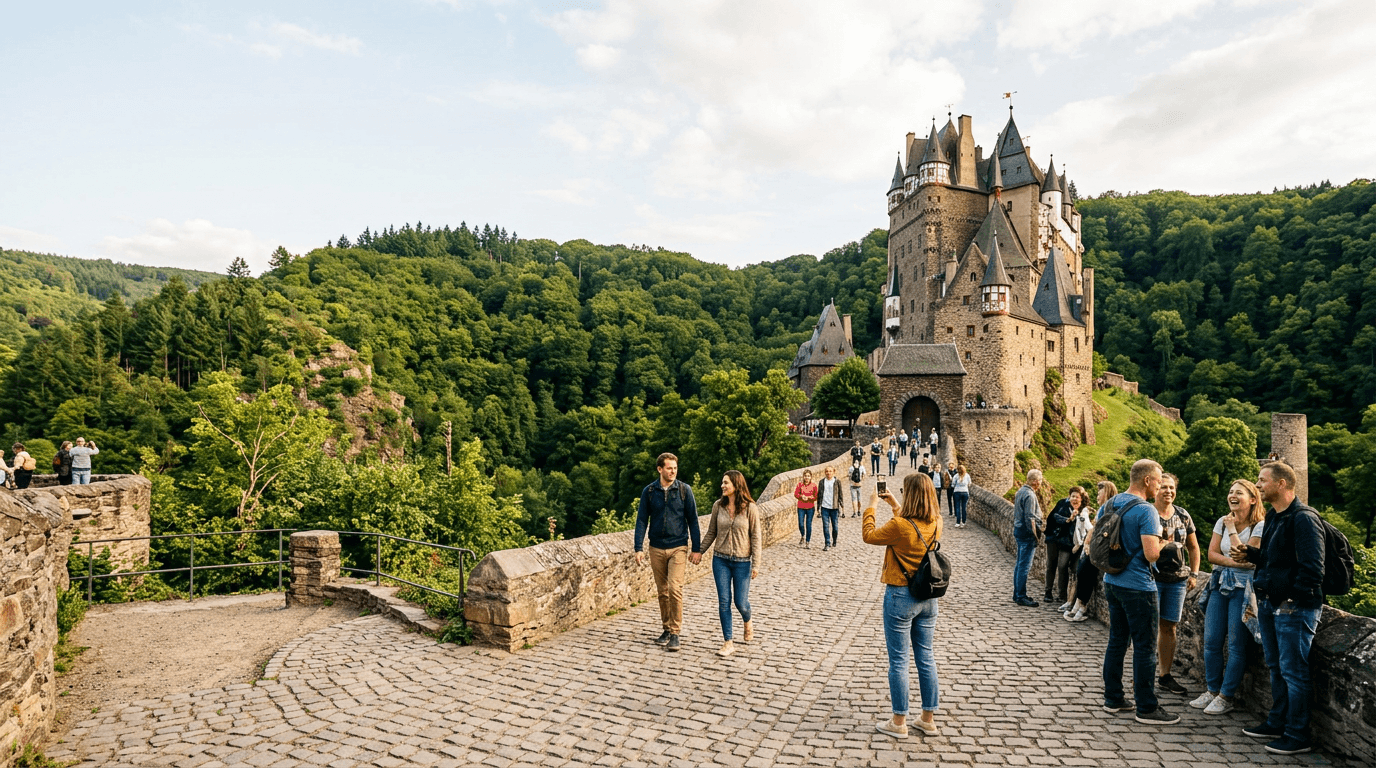
The best castles in Europe that look straight out of a fairytale include Germany's Neuschwanstein Castle, the inspiration for Disney's Sleeping Beauty castle, Spain's majestic Alhambra with its intricate Moorish design, and France's opulent Château de Chambord in the Loire Valley. These incredible structures blend breathtaking architecture with centuries of rich history, offering unforgettable experiences for any traveler seeking a touch of magic and romance. Exploring these iconic landmarks feels like stepping into another world, where kings, queens, and legends come to life.
Have you ever dreamed of wandering through sprawling halls where royalty once danced, or peering from a stone turret across a land of misty mountains and shimmering rivers? Europe is a treasure chest of such fantasies, its landscape dotted with thousands of castles, each with a unique story to tell. These are not just piles of old stones; they are the epicenters of history, the birthplaces of legends, and the very definition of architectural wonder. From the romantic, spire-topped fortresses of Bavaria to the sun-drenched Moorish palaces of Andalusia, these structures capture the imagination like nothing else. They are the settings of our favorite childhood stories and the destinations of our most adventurous travel dreams. In this Gidly guide, we're not just listing castles; we're giving you the key to unlocking these magical realms. We've explored the winding staircases, walked the ancient ramparts, and uncovered the secrets to help you plan the perfect fairytale adventure in 2024 and beyond.
Our Top 15 Fairytale Castles in Europe (Complete, Detailed Rankings)
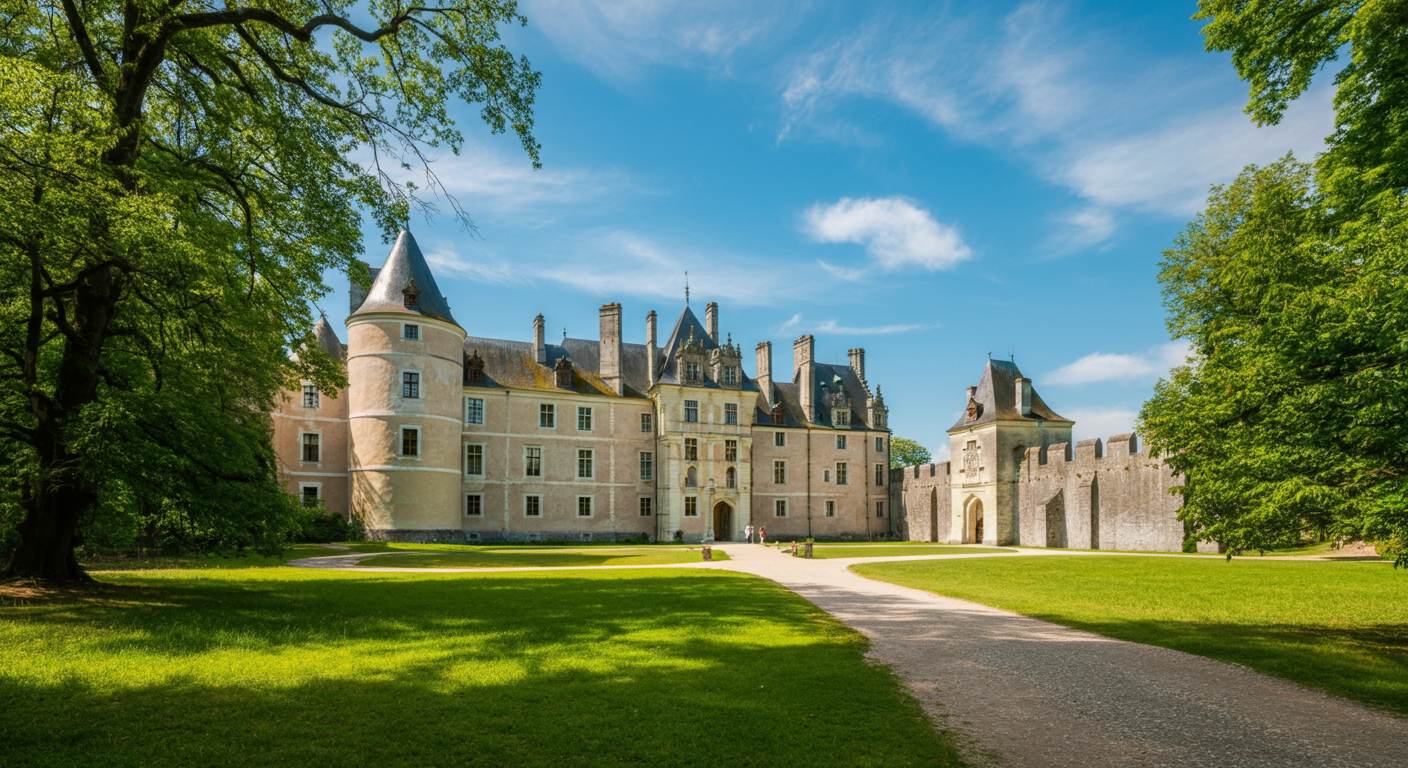
Embark on a journey through the continent's most enchanting and iconic fortifications. Our Gidly team has meticulously curated this list of the 15 best castles in Europe, chosen for their jaw-dropping beauty, historical depth, and sheer "wow" factor. We've gone beyond the postcard pictures to bring you the stories, the secrets, and the essential tips you need to make your visit truly magical. From the dramatic cliffs of Scotland to the romantic vineyards of France and the mysterious forests of Romania, these castles are more than just tourist destinations; they are portals to another time. Each one offers a unique narrative, whether it's the love-lorn fantasy of a Bavarian king, the strategic might of a medieval stronghold, or the lavish decadence of a Renaissance palace. Prepare to be transported as we rank the ultimate fairytale castles you simply have to see to believe.
1. Neuschwanstein Castle, Germany
Perched precariously on a rugged hill in the heart of Bavaria, Neuschwanstein Castle is the undisputed king of fairytale castles. Its soaring white towers and deep blue turrets, set against the dramatic backdrop of the Alpine foothills, create a scene so perfect it seems unreal. This is the castle that launched a thousand dreams and famously inspired Walt Disney's design for the Sleeping Beauty Castle. Commissioned by the reclusive King Ludwig II of Bavaria in the 19th century, Neuschwanstein is not a fortress built for defense but a romantic, theatrical escape built as a personal homage to the composer Richard Wagner. Its very existence is a testament to fantasy, making it the number one destination for anyone chasing that fairytale feeling. The journey to the castle itself, whether by a brisk walk up the hill or a charming horse-drawn carriage ride, builds the anticipation for the wonders that lie within its walls.
Why It's the Ultimate Fairytale Castle
Neuschwanstein's "fairytale" status isn't just about its good looks; it's woven into its very DNA. King Ludwig II designed it not as a seat of power, but as a private retreat and a physical manifestation of his romantic, medieval fantasies. He wanted to create a "temple of the German soul," inspired by the mythical worlds depicted in Wagner's operas like *Tannhäuser* and *Lohengrin*. This means every room, every mural, and every carving tells a story of knights, swans, poets, and tragic lovers. Unlike other castles built for war and politics, Neuschwanstein was built for art and dreams. The surrounding landscape, with the crystal-clear Alpsee and Schwansee lakes below and the formidable mountains behind, was intentionally chosen to complete this perfect, isolated world. It is the architectural equivalent of a fantasy novel, a place so intentionally magical that it transcends reality and transports visitors directly into a storybook.
The Story of 'Mad' King Ludwig II
To understand Neuschwanstein, you must understand its creator, King Ludwig II. Often called the "Fairytale King" or, less kindly, "Mad King Ludwig," he was an enigmatic figure who preferred art and architecture to state affairs. Ascending to the throne in 1864, he quickly grew disillusioned with the political realities of his time, especially after Bavaria was absorbed into the newly formed German Empire. He retreated into a fantasy world, pouring his personal fortune (and vast amounts of borrowed money) into a series of extravagant building projects, with Neuschwanstein being his crown jewel. He was a devoted patron of Richard Wagner, and the castle is filled with imagery from the composer's works. Tragically, Ludwig only lived in his unfinished dream castle for 172 days before he was declared mentally unfit to rule by his own government, arrested, and found dead under mysterious circumstances just days later. His fantasy home was ironically opened to the public just weeks after his death to help pay off the debts he incurred building it.
What to See & Do: A Room-by-Room Guide
A tour of Neuschwanstein is a journey through Ludwig's imagination. The opulence is staggering. The two-story Throne Room, designed in a stunning Byzantine style, is a hall of gold and blue, featuring a magnificent chandelier shaped like a Byzantine crown. Notably, it lacks a throne, as Ludwig died before one could be completed. The King's Bedroom is a masterpiece of Neo-Gothic woodcarving, where it's said that 14 carpenters worked for over four years on the intricate details of the bed canopy alone. Don't miss the Singers' Hall, an elaborate concert hall that was Ludwig's tribute to Wagner, though a concert was never performed there in his lifetime. The most whimsical feature might be the Grotto, an artificial cave complete with a small waterfall and colored lights, designed to look like a scene from the opera *Tannhäuser*. It connects the living quarters to the Singers' Hall, serving as a magical, otherworldly passage.
The Gidly Guide: Visitor Info (Tickets, Tours, Hours)
Visiting Neuschwanstein requires planning. Tickets are a must and should be booked online well in advance, especially for peak season (summer and holidays). You cannot buy tickets at the castle itself; they must be purchased from the Ticket Center in the village of Hohenschwangau below. When you book, you are given a specific tour time. Do not be late, as they are extremely strict. The only way to see the interior is via a 30-minute guided tour. Opening hours vary by season, typically 9:00 AM to 6:00 PM in summer and 10:00 AM to 4:00 PM in winter, but always verify on the official website. From the ticket center, you can walk up (about 40 minutes, and it's steep), take a shuttle bus (drops you near Marienbrücke bridge), or ride in a horse-drawn carriage (which still requires a 15-minute walk). Each option has a separate fee.
2. The Alhambra, Spain
In the sun-drenched hills overlooking Granada, Spain, sits The Alhambra, a breathtaking palace and fortress complex that stands as the pinnacle of Moorish art and architecture in Europe. This is not a castle of grim stone and defensive towers in the traditional sense; it is a sprawling, ethereal city of intricate tilework, delicate stucco, serene courtyards, and whispering fountains. The name "Alhambra" comes from the Arabic for "the red one," referring to the sun-baked hue of its outer walls. But inside those walls lies a world of cool, shaded patios and opulent rooms designed to be a paradise on Earth for the Nasrid sultans who ruled here. A visit to the Alhambra is a multisensory experience—the sound of water flowing through channels, the scent of jasmine in the Generalife gardens, and the visual feast of geometric patterns that seem to cover every surface. It is a masterpiece of beauty and complexity that leaves every visitor in awe.
A Masterpiece of Moorish Architecture
The Alhambra represents the zenith of Nasrid art, the last Muslim dynasty to rule in Spain. Its architectural genius lies in its ability to transform simple materials like plaster, wood, and tile into surfaces of almost unbelievable intricacy and beauty. The guiding principles were light, water, and geometry. You'll see "muqarnas," honeycomb-like stalactite vaulting, that seems to defy gravity in arches and domes. Walls are covered in "zillij" tilework, colorful geometric mosaics that are as mathematically precise as they are beautiful. Flowing Arabic calligraphy, often quoting verses from the Quran or poems praising the palace, is carved into the plaster walls, turning them into pages of a sacred book. The most famous example is the Court of the Lions, where a central fountain rests on the backs of twelve marble lions, a masterpiece of sculpture and hydraulic engineering that has captivated visitors for centuries.
From Fortress to Palace of the Nasrid Sultans
The Alhambra's story is one of transformation. The site on Sabika Hill was home to a simple fortress as early as the 9th century. However, its golden age began in the 13th century when Muhammad I Ibn al-Ahmar, the founder of the Nasrid dynasty, established the Emirate of Granada and made the Alhambra his royal residence. Over the next 250 years, successive sultans expanded and embellished the complex, adding the magnificent Nasrid Palaces—the heart of the Alhambra. It was designed as a "medina," a city within a city, complete with a military fortress (the Alcazaba), royal palaces, residential areas for court officials, mosques, baths, and gardens. After the Christian Reconquista in 1492, the Catholic Monarchs, Ferdinand and Isabella, were so impressed that they used it as their court. While they made some alterations, much of the exquisite Moorish design was preserved, creating a unique fusion of Islamic and Christian history in one place.
Exploring the Generalife Gardens & Nasrid Palaces
A visit to the Alhambra is divided into three main areas. The Nasrid Palaces are the crown jewel, a series of stunning courtyards and rooms that served as the seat of government and royal residence. This is where you'll find the Court of the Myrtles and the legendary Court of the Lions. The Generalife, located just east of the main complex, was the sultans' summer palace and country estate. Its name means "Garden of the Architect," and it is a paradise of long pools, fountains, pavilions, and lush flowerbeds, designed for leisure and contemplation. The third part is the Alcazaba, the original military fortress. Climbing its Torre de la Vela (Watchtower) offers the most spectacular panoramic views of Granada, the Albaicín quarter, and the Sierra Nevada mountains beyond. Each section requires time to appreciate fully, so plan for at least a half-day visit.
The Gidly Guide: Navigating the Timed Entry System
This is critical: you must book tickets for the Alhambra weeks, if not months, in advance. They sell out incredibly fast. Tickets are sold online through the official website or authorized vendors. The most important part of your ticket is the timed entry for the Nasrid Palaces. You must enter this specific section within the 30-minute window printed on your ticket, or you will be denied entry. There are no exceptions. Our Gidly team has seen countless disappointed travelers turned away. You can, however, visit the Generalife and Alcazaba before or after your assigned Nasrid Palaces time on the same day. Make sure you bring your passport or the ID you used to book the tickets, as it will be checked at the entrance to the Nasrid Palaces. Be mindful of the huge size of the complex; allow at least 20-30 minutes to walk from the main entrance to the Nasrid Palaces entrance to make your timed slot.
3. Château de Chambord, France
In the heart of France's lush Loire Valley rises the Château de Chambord, an architectural marvel of the French Renaissance that is as excessive as it is breathtaking. With its forest of ornate chimneys and turrets crowding the skyline, Chambord looks less like a home and more like a fantasy city floating above the trees. Commissioned by the flamboyant King Francis I in 1519, it was never intended as a primary residence or a defensive fortress. Instead, it was a colossal hunting lodge and an audacious symbol of the king's power and cultural sophistication, designed to impress visitors and rival the great works of the Italian Renaissance. The sheer scale is mind-boggling: 426 rooms, 282 fireplaces, and 77 staircases, all set within a 13,000-acre wooded park, the largest enclosed forest park in Europe. It is the biggest and most majestic of all the Loire Valley châteaux.
Renaissance Grandeur in the Loire Valley
Chambord is the ultimate expression of French Renaissance architecture, a style that blended traditional French medieval forms with classical Italian influences. You can see this fusion in its design: it has the bones of a classic medieval castle, with a central keep and corner towers, but it is dressed in the elegant and symmetrical finery of the Renaissance. Large windows, open loggias, and a profusion of classical decorative elements like pilasters and medallions adorn its facades. The castle's most striking feature is its roofline, a chaotic yet harmonious jumble of towers, chimneys, and lanterns that has been compared to the skyline of Constantinople. King Francis I was a great patron of the arts, and Chambord was his ultimate passion project, a statement piece to show his rival, Holy Roman Emperor Charles V, the wealth and refinement of the French monarchy.
The Mystery of the Double-Helix Staircase
At the very heart of Chambord lies its most famous and ingenious feature: the double-helix staircase. This architectural puzzle consists of two intertwined spiral staircases that ascend the central three floors of the keep without ever meeting. This means two people can use the staircases simultaneously, seeing each other through the central opening but never crossing paths. It's a playful and brilliant piece of design. While not definitively proven, the staircase's clever design is widely attributed to the great Leonardo da Vinci, who spent the last years of his life in France as a guest of King Francis I. Whether he designed it or not, the staircase perfectly embodies the spirit of the Renaissance—a fusion of art, science, and a touch of theatrical fun. It's the centerpiece of the castle and a constant source of delight for visitors who run up one side to wave at their friends on the other.
What Not to Miss: Rooftop Views and Formal Gardens
While the staircase is the star, don't rush through the rest of the castle. The true magic of Chambord is revealed when you reach the expansive rooftop terrace. Here, you can walk among the fantastical forest of chimneys and lanterns, getting an up-close look at the intricate stone carvings. The panoramic views over the surrounding estate and the formal gardens are simply unparalleled. After being left relatively wild for centuries, the magnificent formal gardens (Jardins à la Française) were fully restored in 2017 to their 18th-century glory, based on historical plans. Strolling through the perfectly manicured lawns, flowerbeds, and tree-lined avenues provides a completely new perspective on the castle's grandeur. Allow plenty of time to explore the vast grounds beyond the château itself.
The Gidly Guide: Rental & Tour Options (Boats, Bikes)
Chambord is more than a building; it's a massive estate with endless opportunities for exploration. To make the most of your visit, consider renting something to get around. You can rent electric boats to navigate the canal that circles the château, offering stunning water-level views. For the more active, a fleet of bicycles and four-wheeled pedal carts (cuistax) are available for hire to explore the 15 kilometers of cycling trails crisscrossing the forest park. It's a fantastic way to see the estate and maybe even spot some of the resident deer and wild boar. HistoPad tablets, available for rent at the entrance, provide an augmented reality experience, showing you what the sparsely furnished rooms would have looked like in the 16th century. For a unique experience, check the official website for schedules of equestrian shows and other seasonal events.
4. Edinburgh Castle, Scotland
Dominating the skyline of Scotland's capital from its seat atop an extinct volcano, Edinburgh Castle is a formidable and awe-inspiring sight. It's less of a fairytale palace and more of a gritty, historical epic written in stone and cannon smoke. This is one of the oldest fortified places in Europe, with a complex and often bloody history stretching back over a thousand years. It has been a royal residence, a military garrison, a prison, and a national symbol. Walking across its cobbled courtyards and through its ancient gateways feels like stepping through the pages of Scottish history. From here, you can see the whole city unfold, from the medieval Old Town tumbling down the Royal Mile to the elegant Georgian New Town. Inside its walls, you'll find the Scottish Crown Jewels (the "Honours of Scotland"), the legendary Stone of Destiny, and the famous 15th-century siege cannon, Mons Meg. The castle is the heart and soul of Edinburgh, and no visit to the city is complete without paying homage to this historic stronghold.
5. Alcázar of Segovia, Spain
With its pointed turrets, deep moat, and dramatic position on a rocky outcrop, the Alcázar of Segovia is another Spanish castle that's pure fairytale. It’s so picture-perfect, in fact, that it’s often cited alongside Neuschwanstein as another potential inspiration for Disney's Cinderella Castle. Shaped like the bow of a ship sailing over the confluence of two rivers, the Alcázar has served as a royal palace, a state prison, and a military academy. It was a favorite residence of the monarchs of Castile, and it was here that Queen Isabella I promised Christopher Columbus the funding for his voyage to the New World. Visitors can explore opulent rooms with beautiful Mudéjar ceilings (a blend of Moorish and Christian artistic styles), a detailed armory, and, for those with a head for heights, climb the 152 steps of the Tower of Juan II for breathtaking views of Segovia and the surrounding countryside. Its unique silhouette and rich history make it a must-see on any Spanish itinerary.
6. Pena Palace, Portugal
Perched on a hilltop in the Sintra Mountains, Pena Palace is a dazzling explosion of color and architectural whimsy. This 19th-century Romanticist masterpiece, with its vibrant red and yellow facades, onion domes, and mythological carvings, is unlike any other castle in Europe. It was the vision of King Ferdinand II, who transformed the ruins of a 16th-century monastery into this eclectic and fantastical summer residence for the Portuguese royal family. The palace is a wild mix of styles, incorporating Neo-Gothic, Neo-Manueline, Neo-Islamic, and Neo-Renaissance elements. The interior is just as fascinating, preserved as it was when the royal family fled during the revolution of 1910. The surrounding Park of Pena is a magical labyrinth of exotic trees, hidden pathways, fountains, and viewpoints, designed to be explored and discovered. A visit to Pena Palace and the enchanting town of Sintra feels like entering a different, more colorful dimension.
7. Bran Castle, Romania
Famously and rather inaccurately marketed as "Dracula's Castle," Bran Castle in Transylvania is nonetheless a truly spectacular and atmospheric fortress. While its connection to the historical Vlad the Impaler (the inspiration for Bram Stoker's Dracula) is tenuous at best, the castle's dramatic setting on a 200-foot-tall rock, its sharp-angled towers, and winding secret staircases certainly fire the imagination. Built in the 14th century, it served as a customs post and a defense against the Ottoman Empire. In the 20th century, it became a beloved royal residence of Queen Marie of Romania. Today, visitors can explore the narrow, creaking corridors and rooms filled with the queen's furniture and art collection. The legend of Dracula has given the castle a life of its own, drawing millions of visitors who are captivated by its spooky, Gothic charm. Whether you're a vampire enthusiast or a history lover, Bran Castle offers a thrilling and memorable experience.
8. Eilean Donan Castle, Scotland
Instantly recognizable from its starring roles in films like *Highlander* and *The World Is Not Enough*, Eilean Donan Castle is arguably the most romantic and photographed castle in Scotland. Situated on a small tidal island where three great sea lochs meet, and connected to the mainland by a simple stone bridge, its setting is absolutely sublime. The current structure is a 20th-century reconstruction of the medieval fortress that was destroyed in a Jacobite uprising in 1719. The restoration was a 20-year labor of love by Lt. Colonel John MacRae-Gilstrap, and it beautifully captures the spirit of a Highland stronghold. Inside, you can explore the magnificent Banqueting Hall with its massive fireplace and the cozy bedrooms that offer a glimpse into castle life in the 1930s. The true magic, however, is the castle's relationship with its landscape—the way the light, weather, and tides constantly change its appearance against the backdrop of the misty mountains of Kintail.
9. Château de Chenonceau, France
Known as the "Ladies' Castle" for the succession of powerful women who shaped its destiny, Château de Chenonceau is the most elegant and unique of the Loire Valley châteaux. What makes it so extraordinary is its famous gallery, a stunning two-story bridge-like structure that gracefully spans the River Cher. This architectural marvel was the vision of Catherine de' Medici, who built it upon the arches originally designed by her rival, Diane de Poitiers, the mistress of King Henry II. The château is a story of feminine influence, from its lavishly decorated rooms filled with priceless artworks and tapestries to its exquisite formal gardens, one designed by Diane and the other by Catherine. A visit feels like floating on water, and the interiors are remarkably intimate and well-preserved. It is a masterpiece of harmony between architecture and nature, and a testament to the remarkable women who loved and lived in it.
10. Windsor Castle, England
As the oldest and largest inhabited castle in the world, Windsor Castle is a living, breathing piece of British history. Founded by William the Conqueror in the 11th century, it has been the home of 40 monarchs and remains a favorite residence of the Royal Family today. The castle complex is enormous, covering 13 acres, and includes the magnificent State Apartments, the historic St. George's Chapel, and the whimsical Queen Mary's Dolls' House. The State Apartments, lavishly decorated with treasures from the Royal Collection, are used for ceremonial state visits. St. George's Chapel is a stunning example of Gothic architecture and the final resting place of many sovereigns, including Queen Elizabeth II. Witnessing the Changing of the Guard ceremony here is a quintessential British experience. A visit to Windsor offers an unparalleled look into the heart of the British monarchy, past and present.
11. Prague Castle, Czech Republic
According to the Guinness Book of World Records, Prague Castle is the largest ancient castle complex in the world, a vast and varied collection of palaces, churches, and gardens that have dominated the Prague skyline for over a thousand years. It's more like a small city than a single castle. The complex is a fascinating mix of architectural styles, from the Romanesque Basilica of St. George to the soaring Gothic masterpiece of St. Vitus Cathedral. The cathedral, which took nearly 600 years to complete, is the spiritual heart of the Czech nation and houses the Bohemian Crown Jewels. Don't miss the charming Golden Lane, a street of tiny, colorful houses where castle guards, goldsmiths, and, according to legend, alchemists once lived. Franz Kafka also lived at number 22 for a time. The sheer scale and historical density of Prague Castle are breathtaking, requiring a full day to even scratch the surface.
12. Hohenzollern Castle, Germany
If Neuschwanstein is a fairytale fantasy, Hohenzollern Castle is its knightly, militaristic cousin. This dramatic hilltop fortress in southwestern Germany looks like the very definition of a medieval stronghold. With its imposing battlements and towers, it sits majestically atop Mount Hohenzollern, offering 360-degree views of the surrounding countryside. The castle is the ancestral seat of the Hohenzollern dynasty, the family that eventually became emperors of Germany. The current structure is the third castle on this site, a 19th-century Neo-Gothic masterpiece built to recapture the glory of the family's medieval past. Inside, you can see the Prussian Crown Jewels, including the crown worn by German emperors. The castle is still privately owned by the family, which adds a personal touch to the experience. Visiting in winter, when the castle is dusted with snow, is a particularly magical and atmospheric experience.
13. Mont-Saint-Michel, France
While technically an abbey on a fortified tidal island, Mont-Saint-Michel has all the drama and visual impact of the world's greatest castles. Rising from the mudflats off the coast of Normandy, its silhouette is one of the most iconic in France. A marvel of medieval engineering, the abbey was built on a tiny granite island, with the church perched at the very top and the monastery, halls, and village cascading down its sides. For centuries, it was accessible only at low tide, making it a naturally defensible pilgrimage site. Today, a modern bridge allows for easier access, but the experience of watching the tide rush in to surround the island is still a powerful one. Exploring the winding, narrow streets of the village, climbing up to the abbey, and taking in the panoramic views of the bay is an unforgettable journey back in time. It is a testament to faith, fortitude, and architectural genius.
14. Corvin Castle, Romania
Often overshadowed by Bran Castle, Corvin Castle (also known as Hunyad Castle) in Hunedoara, Romania, is arguably a more impressive and authentic Gothic-Renaissance masterpiece. It is a true storybook castle, complete with a towering drawbridge, a roaring river below, soaring towers, inner courtyards, and a bear pit. Built in the 15th century by John Hunyadi, a regent and military leader, it was expanded and embellished over the centuries, resulting in a fascinating and formidable structure. Legends swirl around the castle, including the tale that Vlad the Impaler was imprisoned here for a time. Its sheer scale and dramatic appearance, with its colorful roofs and abundance of stone carvings, make it a feast for the eyes and a favorite of photographers. For those looking for a jaw-dropping medieval experience without the Dracula-themed crowds, Corvin Castle is an absolute gem.
15. Predjama Castle, Slovenia
For sheer audacity of location, nothing beats Predjama Castle. This incredible structure is built into the mouth of a massive cave, halfway up a 400-foot vertical cliff face. It seems to grow directly out of the rock, making it one of the most unique and visually stunning castles in the world. Its most famous resident was the 15th-century knight Erazem Lueger, a sort of local Robin Hood, who used the castle's secret network of cave tunnels to withstand a year-long siege. The castle we see today is from the 16th century, but it incorporates parts of the older structure and the cave system. Visitors can explore the furnished rooms, the armory, and even venture into the cave beneath the castle. The combination of a Renaissance castle with a raw, natural cave system creates a truly one-of-a-kind attraction that highlights human ingenuity and defiance.
Planning Your Castle Tour: A Country-by-Country Itinerary Guide
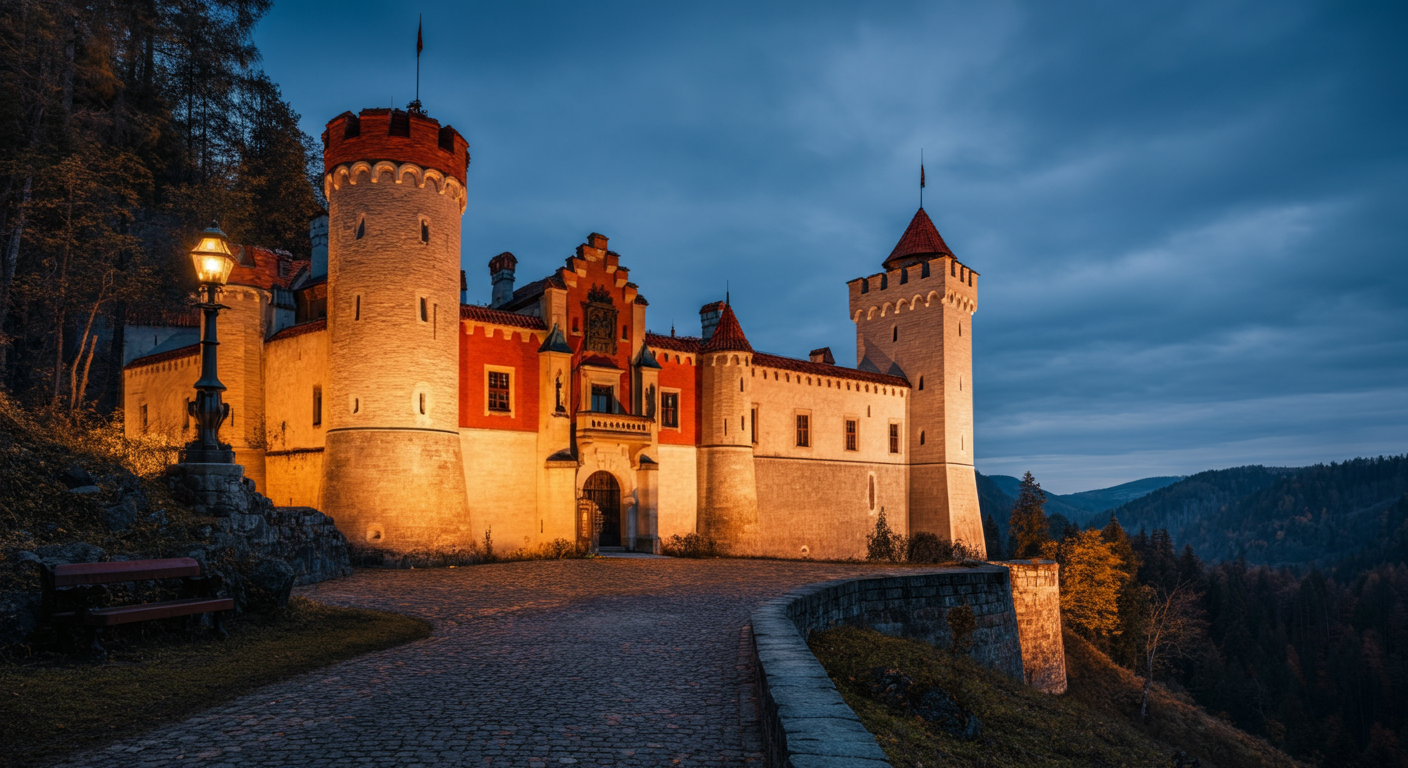
Seeing one incredible castle is a treat, but stringing together a few into a dedicated "castle trail" is the ultimate history lover's road trip. The sheer number of castles in Europe can be overwhelming, but with a little planning, you can create a logical and unforgettable itinerary. Our Gidly team loves crafting these journeys, and we've found that focusing on a specific region allows you to dive deep into its unique history and architectural style. Whether you're driving Germany's Romantic Road, cycling through France's Loire Valley, or braving the Scottish Highlands, a well-planned route maximizes your time and minimizes travel stress. We've broken down four of the best castle-hopping regions to help you start dreaming up your own grand tour. Remember to check out the full lineup of tours and local experiences on Gidly to complement your castle visits.
Germany’s Romantic Road & Bavarian Beauties (Neuschwanstein, Hohenzollern)
Germany is the quintessential destination for fairytale castles, thanks largely to Bavaria. The famous "Romantic Road" (Romantische Straße) is a tourist route that connects a string of picturesque towns and castles, but for a more focused trip, we recommend a loop through southern Bavaria and Baden-Württemberg. This route allows you to see the two titans of German castle-dom: Neuschwanstein and Hohenzollern. By basing yourself strategically, you can visit these iconic locations and discover lesser-known gems along the way. This region's blend of Alpine scenery, charming villages, and dreamlike castles makes it an unbeatable choice for a fairytale-themed adventure. The infrastructure is excellent, making it easy to navigate by car or a combination of trains and buses.
Map and Suggested Route
A great itinerary starts in Munich. From there, you can drive or take a train south towards the Alps.
- Day 1-2: Munich to Füssen. Base yourself in Füssen or the surrounding village of Hohenschwangau. Dedicate a full day to exploring Neuschwanstein and the nearby, older Hohenschwangau Castle where Ludwig II grew up. Don't forget to visit the stunning Alpsee lake.
- Day 3: Lake Constance (Bodensee). Drive west towards Lake Constance, stopping at the charming island town of Lindau. This scenic lake borders Germany, Austria, and Switzerland.
- Day 4: Hohenzollern and Tübingen. Drive north to visit Hohenzollern Castle. Spend the morning exploring the fortress. In the afternoon, head to the beautiful university town of Tübingen with its charming old town and canals.
- Day 5: Return to Munich. Complete the loop by driving back to Munich, perhaps stopping at another small town along the way.
How Many Days to Allocate
Our team recommends at least 5 days for this trip to do it comfortably and avoid feeling rushed. This allows for a full day dedicated to the Neuschwanstein area, which is essential due to ticketing and crowds. It also provides buffer time for scenic drives, spontaneous stops in charming villages, and exploring the areas around the main attractions. If you have a week or more, you could extend the trip to include Lichtenstein Castle (another clifftop fairytale castle) or drive a larger portion of the Romantic Road north towards Rothenburg ob der Tauber. Rushing this itinerary in 2-3 days is possible but would mean seeing the castles mostly from the outside and missing the rich experiences within and around them.
Transport Options: Train vs. Car
While Germany's train system is famously efficient, a rental car offers unparalleled freedom and flexibility for this specific itinerary. A car allows you to travel on your own schedule, access the castles (which are often on hilltops) more easily, and discover hidden gems off the main tourist track. Driving in this part of Germany is a pleasure, with well-maintained roads and stunning scenery. However, if you prefer not to drive, it is possible to do this trip using public transport. Trains connect major cities like Munich to towns like Füssen. From there, local buses serve the castles. For Hohenzollern, you would take a train to Hechingen and then a shuttle bus up to the castle. This requires more careful planning around schedules but is a viable and more sustainable option.
France's Loire Valley: A Royal Route for Castle Hoppers (Chambord, Chenonceau)
The Loire Valley, a UNESCO World Heritage site, is often called the "Garden of France," and scattered amongst its lush forests and vineyards are more than 300 châteaux. This region was the playground of French kings and nobles during the Renaissance, who built magnificent pleasure palaces rather than fortified castles. This makes for a very different, more elegant style of castle-hopping. Here, you'll find graceful architecture, exquisite gardens, and a deep connection to French art and history. The châteaux are relatively close together, making it easy to visit several in a short amount of time. Focusing on iconic beauties like Chambord and Chenonceau, alongside some smaller, more intimate properties, provides a perfect taste of the region's royal splendor.
Map and Suggested Route
A fantastic Loire Valley trip can be structured as a loop or a linear route between two base towns.
- Day 1: Chambord & Blois. Start with the magnificent Château de Chambord in the morning. In the afternoon, explore the royal Château de Blois, a fascinating building where you can see four different architectural styles in one courtyard. Stay in Blois.
- Day 2: Chenonceau & Amboise. Drive to the elegant Château de Chenonceau, the "Ladies' Castle" that spans the River Cher. Afterwards, visit Amboise, home to a royal château and the Clos Lucé, the manor house where Leonardo da Vinci spent his final years. Stay in Amboise or Tours.
- Day 3: Villandry & Azay-le-Rideau. Focus on two smaller but stunning châteaux. Visit the Château de Villandry, famous for its incredible Renaissance gardens. Then, see the picturesque Château d'Azay-le-Rideau, which sits on an island in the Indre River.
Best Base Towns for Your Stay
Choosing the right base town is key to a successful Loire Valley trip. Instead of moving every night, we suggest picking one or two central locations.
- Tours: The largest city in the region. It's a bustling hub with great restaurants, a beautiful old town, and excellent train connections. It's a perfect base if you're relying on public transport or want a livelier evening atmosphere.
- Amboise: A charming and very popular town right on the Loire River. It's centrally located for visiting Chenonceau and Clos Lucé, with plenty of amenities for tourists. It can get very busy in peak season.
- Blois: Located further east, Blois is a great base for visiting Chambord and Cheverny. It's a sizable town with its own impressive château and a slightly less tourist-saturated feel than Amboise.
Tips for Cycling the Loire
The Loire Valley is a cyclist's paradise, with a well-marked network of trails called "La Loire à Vélo" that spans 900 kilometers. The terrain is mostly flat, making it accessible for cyclists of all abilities. Renting a bike is an incredible way to experience the region at a slower pace. You can cycle from one château to the next, stopping in villages for lunch and wine tasting. Many hotels and B&Bs along the route are cyclist-friendly, offering secure bike storage and repair kits. Even if you don't want to do a multi-day bike tour, our team highly recommends renting a bike for a day to explore the area around one of the larger châteaux, like the vast forest park at Chambord.
Scotland's Historic Strongholds (Edinburgh, Eilean Donan)
A castle tour in Scotland is a journey into a world of dramatic landscapes, clan warfare, and epic legends. Scottish castles are often more rugged and formidable than their continental European counterparts, built to withstand harsh weather and fierce enemies. This itinerary combines the urban grandeur of Edinburgh with the wild, romantic beauty of the Highlands, giving you a taste of both worlds. You'll see the mighty fortress at the heart of the nation's capital and the impossibly picturesque icon of the western Highlands. This route is about embracing the dramatic scenery, the moody weather, and the rich, often turbulent, history that shaped these incredible stone structures.
A route from Edinburgh into the Highlands is a classic Scottish road trip.
- Day 1-2: Edinburgh. Spend two days exploring the capital. Dedicate a half-day to Edinburgh Castle, walk the Royal Mile, and hike Arthur's Seat for panoramic views.
- Day 3: Stirling & Glencoe. Pick up a rental car and drive north to Stirling Castle, a historically crucial fortress often called the "Key to Scotland." Continue north through the breathtakingly stark and beautiful valley of Glencoe, the site of the infamous 1692 massacre.
- Day 4: Eilean Donan & Isle of Skye. Drive to Eilean Donan Castle in the morning for those iconic photos. Afterwards, continue over the bridge to the magical Isle of Skye for the night.
- Day 5: Loch Ness & Return South. Drive along the shores of Loch Ness (keep an eye out for Nessie!) and through the Cairngorms National Park on your way back towards Edinburgh or Glasgow.
Spain's Moorish Palaces & Catholic Forts (Alhambra, Alcázar)
A castle tour through Spain, particularly the southern region of Andalusia, is a journey through centuries of cultural fusion and conflict. Here, you'll find an extraordinary blend of Islamic and Christian architecture, a legacy of the 800 years of Moorish rule and the subsequent Christian Reconquista. This itinerary takes you from the sublime, intricate beauty of the Alhambra in Granada to the fairytale spires of the Alcázar in Segovia, with a stop in Seville. This route showcases the two dominant forces that shaped medieval Spain, offering a history lesson written in tile, stone, and plaster. The vibrant culture, delicious food, and sunny climate of Spain make this an incredibly rewarding journey.
This route connects the key cities of Andalusia with a trip north to Castile and León.
- Day 1-2: Granada. Immerse yourself in the magic of the Alhambra (book tickets months in advance!). Explore the labyrinthine streets of the Albaicín, the old Moorish quarter.
- Day 3: Seville. Travel to Seville and visit its own stunning Alcázar, a royal palace that is still in use by the Spanish royal family and a masterpiece of Mudéjar architecture. Don't miss the enormous Seville Cathedral.
- Day 4: Madrid to Segovia. Take a high-speed train from Seville to Madrid. From Madrid, take a day trip (or stay overnight) to Segovia.
- Day 5: Segovia. Explore the ship-like Alcázar of Segovia and the incredible ancient Roman aqueduct that cuts through the city.
Which Castle Should You Visit? A Scenario-Based Guide
With so many incredible castles to choose from, picking the right one can depend entirely on the kind of trip you're planning. Is it a romantic getaway for two, a fun-filled family vacation, or a deep dive into history for a solo adventurer? The best castle for a photographer might not be the best for someone with young children. To help you decide, our Gidly team has broken down our top picks based on common travel scenarios. We've considered the atmosphere, on-site activities, historical context, and overall vibe of each location to match you with your perfect fairytale fortress. Think of this as your personal castle matchmaking service, designed to ensure your visit is everything you've dreamed of and more.
The Most Romantic Castles for a Date Night or Proposal
For couples seeking a backdrop of pure romance, certain castles just radiate magic and intimacy. Our top pick is Eilean Donan Castle in Scotland. Its isolated setting on a loch, surrounded by misty mountains, is heart-achingly beautiful. Imagine proposing on the stone bridge as the sun sets over the Highlands – it's a moment straight out of a movie. Another fantastic choice is Château de Chenonceau in France. Its elegant gallery spanning the River Cher is incredibly graceful, and its connection to the powerful women who loved it adds a layer of romantic history. A quiet stroll through the Diane de Poitiers garden followed by a glass of local wine is the perfect recipe for a romantic afternoon. Finally, the whimsical, colorful Pena Palace in Portugal, with its hidden paths and stunning viewpoints overlooking the Atlantic, offers a playful and unforgettable setting for a special moment.
The Best Family-Friendly Castles with Activities for Kids
Traveling with children requires castles that are more than just beautiful buildings; they need to be engaging and fun. Windsor Castle in England is a brilliant choice. Kids love the pomp and circumstance of the Changing of the Guard, and Queen Mary's Dolls' House is a miniature marvel that fascinates all ages. The sheer scale of the castle and the presence of real guards make it feel like a real-life fairytale. Another great option is France's Château de Chambord. The enormous grounds are perfect for running around, and renting a four-wheeled pedal cart is a huge hit with families. The double-helix staircase is also a source of endless fun as kids can race each other to the top without ever meeting. For a more hands-on experience, Romania's Corvin Castle with its long drawbridge, bear pit, and slightly spooky legends, fires up the imagination of older kids and teens.
The Most Historically Significant Castles for History Buffs
For travelers who want to stand exactly where history was made, some castles offer a deeper, more profound connection to the past. Edinburgh Castle is a must. It has been at the center of Scottish history for centuries, witnessing countless battles, royal births, and political machinations. Seeing the Stone of Destiny, the ancient coronation stone, is a powerful experience. Similarly, the Prague Castle complex is a living textbook of Central European history. Walking from the Romanesque basilica to the Gothic cathedral and then to the Renaissance palaces, you trace a thousand years of architectural and political evolution. Finally, the Alhambra in Granada offers a unique window into the sophisticated world of the last Muslim dynasty in Western Europe and the pivotal moment of the Reconquista in 1492 when it was surrendered to Ferdinand and Isabella.
The Best Budget-Friendly Castles (Free Entry or Grounds)
Experiencing fairytale magic doesn't have to break the bank. While entry into the most famous castles comes with a fee, there are ways to enjoy their splendor on a budget. Many castles have extensive grounds or parks that are free to enter. You can admire the stunning exterior of Château de Chambord and enjoy its massive park without buying a ticket for the interior. Similarly, you can walk right up to the gates of Bran Castle and get fantastic photos without paying to go inside. In cities like Edinburgh, you can get incredible views of the castle from various free vantage points like The Vennel or Princes Street Gardens. The best budget tip is to pack a picnic and enjoy the view. Some smaller, ruined castles, particularly in the UK and Ireland, are managed by national heritage organizations and are often free to access, offering a more atmospheric and less crowded experience.
The Most "Instagrammable" Castles and Where to Get The Shot
In the age of social media, some castles are just made for the camera. For that perfect, viral shot, location is everything. The ultimate "Instagram" shot is of Neuschwanstein Castle from the Marienbrücke bridge; it’s iconic for a reason. For a unique angle, try framing the castle with the autumn leaves from the path leading up to it. Slovenia's Predjama Castle is another showstopper. The best shot is from the viewing platform across the small valley, capturing the castle emerging from the cliff face. For Eilean Donan Castle, don't just shoot from the visitor center; walk along the shoreline for different angles as the tide changes. At low tide, you can get reflections in the wet sand. Finally, the vibrant colors of Pena Palace in Portugal are a dream. The classic shot is from the Cruz Alta viewpoint in the park, which gives you a panoramic view of the entire palace against the sky.
The Best Castles for a Solo Adventure
Traveling solo to a castle can be a deeply personal and reflective experience, allowing you to explore at your own pace without compromise. Mont-Saint-Michel in France is a fantastic choice for a solo traveler. The act of walking the causeway, climbing the winding streets, and exploring the quiet corners of the abbey feels like a personal pilgrimage. It's a place for contemplation and awe. The vast Prague Castle complex is also great for solo explorers, as you can buy a ticket that allows you to wander through the different sites at your leisure, spending as much or as little time as you want in St. Vitus Cathedral or the Golden Lane. For a more off-the-beaten-path adventure, Corvin Castle in Romania offers a sense of discovery and a less-crowded experience, allowing you to immerse yourself in its medieval atmosphere without distraction.
Comparison Table: Europe's Top Castles at a Glance
To help you compare and contrast these magnificent locations, we've compiled a handy table. This at-a-glance guide summarizes the key details for some of our favorite fairytale castles, from their architectural style to the best time to book. Use this to quickly identify which castles align with your budget, interests, and planning timeline. Whether you're looking for Gothic grandeur, Renaissance elegance, or Moorish magic, this table will help you navigate your options and start building your dream itinerary. Keep in mind that prices are approximate and can change, so always check the official websites for the most current information before your visit.
| Castle | Country | Architectural Style | Best For | Price Range | Must-See Feature | Booking Lead Time |
|---|---|---|---|---|---|---|
| Neuschwanstein Castle | Germany | Romanesque Revival | Fairytale Dreamers | €15 - €20 | View from Marienbrücke | 4-8 Weeks |
| The Alhambra | Spain | Moorish (Nasrid) | Art & History Buffs | €19 - €25 | Nasrid Palaces | 2-3 Months |
| Château de Chambord | France | French Renaissance | Architectural Marvels | €16 - €20 | Double-Helix Staircase | 1-2 Days (online) |
| Edinburgh Castle | Scotland | Fortress (Various) | Scottish History Fans | £19 - £23 | The Honours of Scotland | 1-2 Weeks |
| Pena Palace | Portugal | Romanticist | Romantic Couples | €14 - €20 | The colorful terraces | 1-3 Weeks |
| Predjama Castle | Slovenia | Gothic/Renaissance | Unique Adventure Seekers | €17 - €48 (combo ticket) | Integration with the cave | 1 Week |
| Corvin Castle | Romania | Gothic-Renaissance | Off-the-beaten-path | ~€9 (45 Lei) | The drawbridge & towers | Buy on arrival |
How We Chose the Best: Our Ranking Criteria Explained
Crafting a "best of" list is always a challenge, especially when dealing with subjects as magnificent and diverse as Europe's castles. At Gidly, we don't take this task lightly. Our rankings are the result of extensive research, spirited debate among our team of travel experts, and careful analysis of what makes a castle visit truly special. We believe a great castle is more than just an old building; it's an experience. It should transport you, inspire you, and leave you with stories to tell. To provide a transparent and comprehensive guide, we developed a set of core criteria to evaluate each contender. This methodology ensures our list is not just a collection of pretty pictures, but a genuinely useful tool for planning your next great adventure.
Architectural Beauty & ‘Fairytale’ Factor
This is perhaps the most subjective, yet most important, criterion. We asked: does this castle take your breath away? Does it look like it was plucked from the pages of a storybook? We evaluated each castle's silhouette, its setting, and its unique architectural features. Neuschwanstein, with its impossible turrets clinging to a mountainside, scores a perfect ten here. Pena Palace's vibrant, whimsical colors and Eilean Donan's perfect composition with its bridge and loch also rank highly. This "fairytale factor" is about immediate visual impact and the power to spark the imagination. It's the feeling you get when you first lay eyes on the castle and can't help but say "wow."
Historical Significance & Unique Stories
A castle without a story is just a building. We prioritized castles with rich, compelling histories and unique narratives. This includes sites that were pivotal in national history, like Edinburgh Castle or Prague Castle. It also includes castles associated with fascinating individuals, like King Ludwig II's Neuschwanstein or the powerful women of Château de Chenonceau. We also considered the legends and myths that surround a place. Bran Castle's connection to the Dracula myth, however tenuous, adds an undeniable layer of intrigue. The story of the defiant knight Erazem at Predjama Castle transforms it from a curiosity into a saga of rebellion. These stories are what bring the stones to life.
Visitor Experience & On-Site Amenities
A beautiful castle can be a disappointing destination if the visitor experience is poor. Our team evaluated how well each site is managed for tourists. This includes the quality of the tours (guided, audio, or self-guided), the clarity of signage, and the availability of helpful staff. We considered on-site amenities like cafes, gift shops, and restrooms. A major factor is crowd management. While all popular sites will be busy, we looked at how well they handle the flow of visitors. The timed entry system at the Alhambra, while strict, is an excellent example of preserving the experience by controlling numbers. Castles that offer additional activities, like the boat and bike rentals at Chambord, also scored highly for enhancing the overall visitor experience.
Overall Setting & Photographic Potential
A castle's setting is a huge part of its magic. A fortress perched on a cliff, nestled in a forest, or spanning a river is inherently more dramatic than one surrounded by a modern city. We assessed how well the castle interacts with its natural landscape. Mont-Saint-Michel rising from the sea and Predjama Castle built into a cave are prime examples of a perfect union between architecture and environment. This criterion is also closely linked to photographic potential. We considered the availability of clear, accessible viewpoints for capturing iconic shots. A castle that is beautiful from every angle, like the Alcázar of Segovia, offers a rewarding experience for amateur and professional photographers alike.
Gidly Data Insights & User Ratings
Finally, we turned to our own community. At Gidly, we have access to valuable data on what our users are searching for, booking, and reviewing. We analyzed user ratings, comments, and booking trends related to castle tours and nearby attractions across Europe. This data provides real-world validation of a castle's popularity and visitor satisfaction. If a castle consistently receives glowing reviews and high ratings from travelers who have actually been there, it carries significant weight in our ranking. This data-driven approach helps us move beyond our personal opinions and ensures that our recommendations reflect the genuine experiences of a broad community of travelers. It's the Gidly difference: combining expert curation with real user insights.
Practical Tips for a Perfect Castle Visit (An Insider's Guide)
You've chosen your dream castle and booked your flights. Now what? The difference between a good castle visit and a truly magical one often comes down to the small details of planning. From securing tickets to knowing what to wear, a little bit of preparation goes a long way. Our Gidly team has spent countless hours exploring these historic sites, and we've learned a few things along the way—sometimes the hard way! We've compiled our best insider tips to help you navigate the practicalities of castle-hopping. These are the tricks of the trade that will help you save time, save money, and get the most out of your fairytale adventure. Think of us as your knowledgeable friend who has been there before and wants you to have the best trip ever.
Booking Tickets: How to Skip the Lines and Find Discounts
The single most important tip for popular castles like Neuschwanstein, the Alhambra, and Pena Palace is to book your tickets online, directly from the official website, as far in advance as possible. This is not a suggestion; it's a necessity. It allows you to bypass the often gigantic ticket-buying queues, and for some sites, it's the only way to guarantee entry. Be wary of third-party resellers who may charge a high markup. For discounts, check for family tickets, student/senior rates (with valid ID), or combination tickets that bundle entry to multiple sites in the area (like the combo ticket for Predjama Castle and Postojna Cave). Some city tourism cards, like the Paris Museum Pass or the Scottish Explorer Pass, include castle entries and can offer great value if you plan to visit multiple attractions.
Getting There: Transportation, Parking, and a Warning About Hills
Castles were often built in high, defensive positions for a reason. This means they are almost always on a hill. Be prepared for an uphill walk from the parking lot or bus stop to the entrance. This can range from a gentle 10-minute slope to a strenuous 40-minute hike (we're looking at you, Neuschwanstein). If mobility is a concern, check for on-site shuttle buses or carriage rides, but know these often cost extra and may have their own queues. If driving, research parking in advance. Official parking lots can fill up quickly and be expensive. Arriving early is your best bet. For castles accessible by public transport, carefully check train and bus schedules, especially the time of the last return trip, which can be surprisingly early in rural areas.
What to Wear and What to Pack for a Day of Exploring
Comfort is king (or queen) when exploring castles. You will be doing a lot of walking, often on uneven cobblestones, and climbing lots of stairs.
- Shoes: This is non-negotiable. Wear your most comfortable, supportive shoes with good grip. Leave the heels and flip-flops at home.
- Layers: Stone castles can be chilly inside, even on a hot day. Bring a light jacket or sweater you can easily take on and off.
- Pack Light: Many castles have security checks and may prohibit large bags or backpacks. A small daypack or crossbody bag with essentials is best.
- Essentials: Pack a water bottle (many have refill stations), sunscreen and a hat for exposed courtyards, your phone/camera with a portable power bank, and any necessary medications.
Understanding Accessibility: Strollers, Wheelchairs, and Physical Limitations
By their very nature, historic castles can be challenging for visitors with mobility issues. They are filled with narrow corridors, steep spiral staircases, and uneven surfaces. Accessibility varies wildly. Modernized sites like Windsor Castle have made great efforts, offering step-free access to many areas and accessible restrooms. However, many others, like Predjama Castle or the upper floors of Chambord, are largely inaccessible to wheelchair users. Most castles are also not stroller-friendly; a baby carrier is a much better option. Always check the "Accessibility" or "Plan Your Visit" section of the castle's official website before you go. They provide the most accurate and detailed information about accessible routes, parking, and any available assistance.
The Best Times and Seasons to Visit to Avoid Crowds
The biggest enemy of a fairytale experience is a massive crowd. To avoid the crush, timing is everything.
- Shoulder Season: The best time to visit most European castles is during the shoulder seasons (April-May and September-October). The weather is generally pleasant, and the crowds are thinner than in the summer peak (June-August).
- Time of Day: Always aim to be at the castle either for the first tour of the morning or one of the last tours of the afternoon. Mid-day (11 AM to 3 PM) is peak time when tour buses descend.
- Day of the Week: Weekdays (Tuesday to Thursday) are generally less crowded than weekends and Mondays.
Common Mistakes to Avoid When Visiting European Castles
We've all been there: the missed train, the sold-out sign, the painfully sore feet. A dream trip to a historic castle can quickly turn into a frustrating ordeal if you're not prepared. From our team's collective experience (and mistakes!), we've identified the most common pitfalls that travelers encounter when visiting Europe's top castles. By learning from these common errors, you can ensure your visit is smooth, enjoyable, and free of unnecessary stress. Read on to discover what not to do, so you can focus on soaking in the history and beauty of these incredible places. A little foresight can make all the difference between a travel headache and a cherished memory.
Forgetting to Book Tickets Far in Advance (Especially for The Alhambra)
This is mistake number one, and it's a heartbreaker. You travel all the way to Granada, walk up the hill to the magnificent Alhambra, and are met with a "Sold Out" sign. As we've stressed, for top-tier attractions, booking in advance is not optional. For the Alhambra, we mean *months* in advance, especially for the crucial timed entry to the Nasrid Palaces. For Neuschwanstein, several weeks ahead is wise. Even for less famous castles, booking online a day or two before can save you hours of waiting in line. Don't assume you can just show up and buy a ticket on the day. In the post-2020 travel landscape, many sites have reduced capacity and require pre-booking for crowd control. Always check the official website first.
Underestimating Travel and Queue Times
Everything takes longer than you think. You need to account for the time it takes to travel from your hotel to the castle town, find parking, walk from the parking lot to the ticket office (which might be in a different location from the castle itself), potentially wait in a security line, and then walk from the entrance to the actual start of the tour. For a massive complex like Prague Castle or Versailles, you can easily spend an hour just getting from the main gate to the specific building you want to see. Our Gidly team recommends adding a buffer of at least 45-60 minutes to your planned arrival time to account for these hidden time sinks. This is especially critical when you have a timed entry slot to meet.
Ignoring a Castle's Special Events Calendar
A huge missed opportunity is visiting a castle without checking its events calendar. You might arrive the day *after* a spectacular medieval festival or a beautiful classical music concert held in the main hall. Conversely, you could arrive to find half the castle closed off because they are setting up for a private event. Before you book your trip, take two minutes to check the "Events" or "What's On" section of the official website. You might discover a Christmas market at Hohenzollern, an equestrian show at Chambord, or a special historical reenactment at Windsor. Planning your visit to coincide with one of these events can elevate your trip from great to unforgettable. It’s an easy way to add a unique layer to your experience.
Trying to See Too Much in One Day
Castle fatigue is a real thing. It's tempting to try and cram three Loire Valley châteaux or two Bavarian castles into a single day, but this is a classic mistake. You'll end up exhausted, rushed, and unable to truly appreciate any of them. These are not simple attractions to be checked off a list. They are vast, complex sites that deserve to be savored. A single large castle like Chambord or Windsor, including its grounds, can easily take up half a day or more. Gidly's advice is to prioritize quality over quantity. Choose one major castle for the day, or pair one major castle with a much smaller one. This gives you time to explore the gardens, have a relaxed lunch, and actually absorb the history and atmosphere.
Wearing Uncomfortable Shoes
We've mentioned it before, but it bears repeating because it's the most common and painful mistake we see. Visiting a European castle involves a surprising amount of walking on challenging surfaces. You'll encounter ancient, uneven cobblestones, hundreds of steps in spiral staircases (often worn and slippery), gravel paths in gardens, and long, hard marble floors. Wearing fashionable but impractical shoes is the fastest way to ruin your day. Your feet will be aching, you'll be more prone to slips and falls, and you'll be so focused on your discomfort that you won't be able to enjoy the beautiful surroundings. Do yourself a favor: invest in and wear comfortable, broken-in walking shoes or supportive sneakers. Your feet will thank you.
The Evolution of European Castles: From Fortresses to Tourist Attractions (2025-2026 Trends)
Castles may be ancient, but they are far from static. The way we experience these historic sites is constantly evolving. As we look towards 2025 and 2026, several key trends are shaping the future of castle tourism. Heritage sites are grappling with how to preserve their authenticity while meeting the expectations of a modern, tech-savvy audience. They face the dual challenges of managing over-tourism and finding new ways to tell their stories to a new generation. From innovative technology to a growing emphasis on sustainability, the castles of tomorrow will blend the old and the new in exciting ways. Our Gidly team is always on the lookout for what's next, and here's what we see on the horizon for these timeless landmarks.
How Castles are Adapting with Technology (Apps, VR Tours)
The days of dry, text-heavy placards are numbered. Castles are embracing technology to create more immersive and interactive experiences. Many, like Chambord, now offer HistoPad tablets that use augmented reality (AR) to overlay historically accurate 3D reconstructions of furniture and decor onto the empty rooms. You can see what the King's chamber looked like in its full, opulent glory. Official castle apps are becoming more common, offering self-guided audio tours, interactive maps with GPS, and gamified content for children. Some sites are even experimenting with Virtual Reality (VR) experiences, allowing visitors to witness a medieval joust in the courtyard or a great fire that changed the castle's history. This technology helps bridge the gap of imagination, making the history more tangible and engaging for all ages.
The Rise of Sustainable Tourism at Heritage Sites
There is a growing awareness that a stream of millions of visitors can take a toll on fragile historic structures and their surrounding environments. In response, many castles are implementing more sustainable practices. This includes promoting "off-season" travel to distribute crowds more evenly throughout the year and encouraging the use of public transportation with shuttle services from nearby train stations. You'll see more water refill stations to reduce plastic bottle waste and cafes that source their ingredients from local producers. Timed entry systems, once just for crowd control, are now also seen as a tool for sustainability, reducing the physical strain on the site at any given moment. Expect to see more messaging that encourages respectful and responsible tourism, reminding us that we are guests in these irreplaceable heritage locations.
What's New: Recently Opened Wings, Renovations, and Exhibitions
Castles are always in a state of flux, with ongoing restoration projects and new discoveries. For 2025-2026, keep an eye out for newly opened areas that were previously closed to the public. As restoration work completes, castles often unveil new wings, restored chapels, or newly excavated foundations. For example, the massive restoration of the formal gardens at Chambord was a recent development that completely changed the visitor experience. Many castles also host world-class temporary exhibitions, often in partnership with major museums, bringing priceless art or historical artifacts "home" to their original context. Before you visit, always check the "News" or "Exhibitions" section of the castle's website to see if you'll be among the first to experience a newly restored feature or a once-in-a-lifetime exhibition.
Frequently Asked Questions About Visiting Castles in Europe
Planning a trip to see Europe's castles can bring up a lot of questions. From the practical to the curious, our Gidly team has heard them all. To help you plan, we've compiled answers to some of the most frequently asked questions we receive. Whether you're wondering about costs, logistics, or just some fun facts, this section has you covered. This is the quick-and-easy guide to satisfy your curiosity and help you feel like a seasoned castle explorer before you even pack your bags.
Which country in Europe has the most castles?
Germany is widely cited as the country with the most castles, with estimates ranging from 12,000 to 25,000 castles, ruins, and manors. The country's fragmented history of small principalities and kingdoms led to the construction of countless fortifications over the centuries.
What is the oldest castle in Europe?
This is debated, but a strong contender for the oldest continuously inhabited castle is Windsor Castle in England, founded around 1070. If you consider ancient fortifications, the Citadel of Aleppo in Syria is much older, but for a traditional European "castle," Windsor is a benchmark.
Can you stay overnight in any of these castles?
While you can't stay in most of the major museum castles on our list, many other historic castles across Europe have been converted into luxury hotels. Ashford Castle in Ireland and Parador de Cardona in Spain are famous examples where you can live like royalty for a night.
What is the difference between a castle, a palace, and a fortress?
Generally, a fortress is a purely military structure built for defense. A castle is a fortified residence for a lord or monarch, combining defensive features with living quarters. A palace, like Versailles or Buckingham Palace, is a grand royal or official residence built for comfort and luxury, not for defense.
How much does it cost to visit a castle in Europe?
Prices vary widely. A ticket for a major castle like Neuschwanstein or the Tower of London can cost between €15 and €30 per adult. Smaller, less famous castles might be under €10, and many ruins or castle grounds are free to enter.
Are guided tours worth it?
In many cases, yes. At some castles like Neuschwanstein, a guided tour is the only way to see the interior. Even where optional, a good guide can bring the history to life with stories and details you would otherwise miss. Audio guides are a great flexible alternative.
What are the best castle tours in Europe?
The best tours focus on a specific region, like a Loire Valley château tour from Paris, a day trip to Sintra's palaces from Lisbon, or a multi-day tour of the Scottish Highlands. These tours handle the transportation and logistics, which is great for seeing multiple castles efficiently. You can find many of these options on Gidly.
Which castles are best to visit during Christmas?
Many German and Austrian castles, like Hohenzollern Castle or Salzburg's Hohensalzburg Fortress, host spectacular Christmas markets in their courtyards. The festive lights, traditional crafts, and mulled wine create an incredibly magical atmosphere against the historic backdrop.
Are there any hidden gem castles in Europe I should know about?
Absolutely! Consider the fairytale-like Burg Eltz in Germany, hidden in a forest and still owned by the same family. Or the incredible Cité de Carcassonne in France, a fully restored medieval walled city. These offer amazing experiences with often fewer crowds than the most famous names.
Your Fairytale Adventure Awaits
From the snow-capped peaks of Bavaria to the sun-kissed hills of Andalusia, Europe's castles are more than just monuments of a bygone era. They are invitations to dream, to explore, and to connect with the epic stories that have shaped our world. Each fortress, palace, and keep holds a unique magic, waiting to be discovered. Whether you are captivated by architectural genius, royal intrigue, or the simple, breathtaking beauty of a tower against the sky, there is a castle in Europe that will capture your heart. We hope this guide has inspired you to embark on your own fairytale journey and has given you the practical tools to make it a reality.
Our top three must-visit castles offer a perfect taste of what the continent has to offer. For the ultimate, undisputed fairytale dream, look no further than Germany's Neuschwanstein Castle. For a journey into a world of exquisite artistry and serene beauty, the Alhambra in Spain is unparalleled. And for a taste of Renaissance grandeur on a truly monumental scale, France's Château de Chambord is an absolute must-see. Visiting even one of these incredible sites is an experience you will never forget.
Ready to turn these dreams into plans? Your next great adventure is just a few clicks away. Explore ticket options, book guided tours that bring history to life, and discover countless other amazing things to do near Europe's most beautiful castles. Your comprehensive guide to events, activities, and unforgettable experiences is waiting. Find your perfect outing and start your story today by exploring Gidly's full events catalog.