
guide -
Finding the Best Cafe in Paris: A Coffee Lover's Guide
Finding the best cafe in Paris is a delightful journey that depends entirely on your desires, as the city offers a perfect spot for every mood and occasion. For a taste of literary history and unparalleled people-watching, iconic establishments like Les Deux Magots and Café de Fl
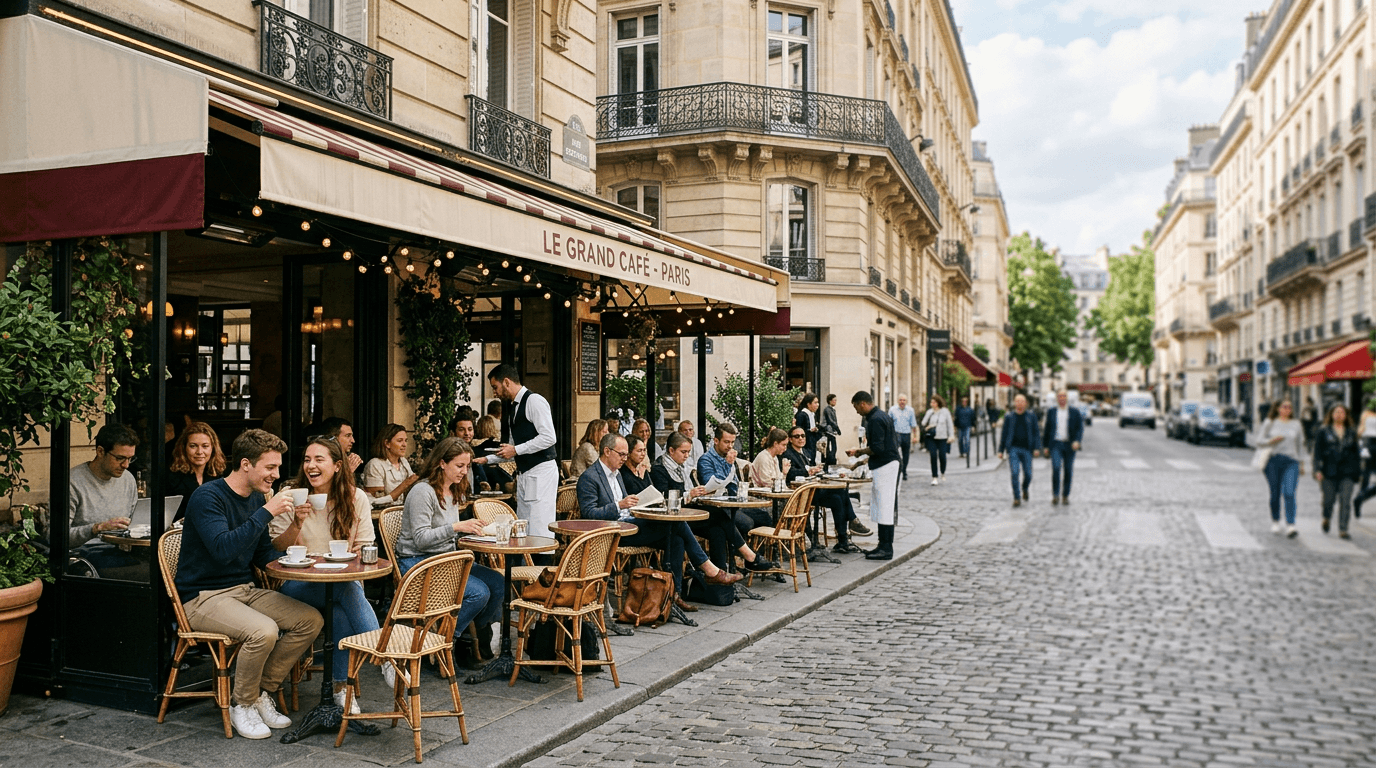
Finding the best cafe in Paris is a delightful journey that depends entirely on your desires, as the city offers a perfect spot for every mood and occasion. For a taste of literary history and unparalleled people-watching, iconic establishments like Les Deux Magots and Café de Flore in Saint-Germain-des-Prés are unbeatable, while for the discerning coffee connoisseur, a modern specialty coffee shop like Coutume Café provides an exceptional, expertly brewed cup. Whether you crave the ambiance of a bygone era or the precision of third-wave coffee, Paris has a cafe seat waiting for you.
Paris without its cafes is like a sky without stars—simply unimaginable. They are the heart and soul of the city, the open-air living rooms where life unfolds in a captivating rhythm. From the clinking of spoons against porcelain cups to the murmur of conversations blending with the city's hum, the Parisian cafe is an institution, an experience, and a destination all in one. In this guide, our Gidly team has scoured the cobblestone streets and grand boulevards to bring you the ultimate list, diving deep into not just *which* cafes to visit, but *why* and *when*. We'll explore the historic haunts of artists and writers, uncover the hidden gems adored by locals, and navigate the burgeoning scene of specialty coffee. This is more than a list; it's your personal invitation to master the art of the Parisian cafe experience, one perfect cup at a time. Ready to find your perfect spot? Let's begin.
Quick Answer: What Are the Best Cafes in Paris?
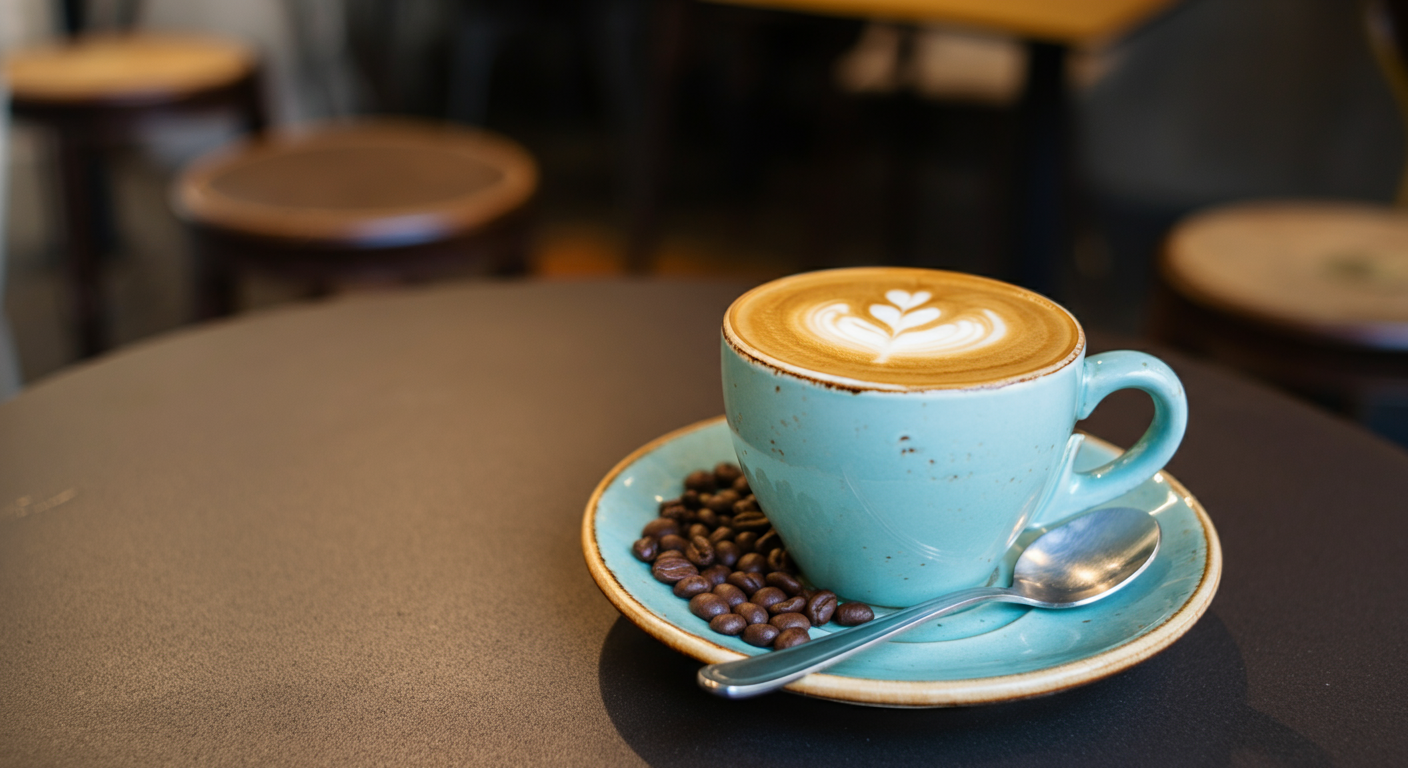
For those in a hurry to find their perfect Parisian coffee experience, here’s a quick snapshot of our top recommendations based on your primary interest. The "best" cafe is subjective, so we've categorized our top picks to help you find exactly what you're looking for, whether it's a dose of history, a flawlessly crafted flat white, or a front-row seat to the theater of Parisian street life. These three cafes represent the pinnacle of their respective categories and offer a fantastic starting point for any visitor. Each one encapsulates a distinct facet of Paris's rich and diverse coffee culture, from its intellectual past to its caffeinated present. Think of this as your essential, get-started guide before we dive deeper into the countless other treasures the city holds. Our team has spent countless hours sipping and savoring at these spots, and they consistently deliver an unforgettable experience.
For the history buff: Les Deux Magots, a literary legend in Saint-Germain.
If you wish to sit in the very spots where Simone de Beauvoir, Jean-Paul Sartre, Ernest Hemingway, and Albert Camus debated philosophy and penned masterpieces, then Les Deux Magots is your pilgrimage site. Located at 6 Place Saint-Germain-des-Prés, this cafe isn't just a place to get coffee; it's a living museum of 20th-century intellectual history. The name, meaning "The Two Magots," refers to the two wooden statues of Chinese commercial agents (magots) that preside over the main room, remnants of the building's previous life as a novelty shop. Ordering a *café crème* and a croissant on its iconic terrace feels like participating in a ritual that has been perfected over decades. While the prices reflect its fame (expect to pay around €8-€10 for a coffee), the experience of soaking in the ambiance and watching the world go by in the heart of Saint-Germain-des-Prés is, for many, priceless. The waiters, dressed in traditional black and white, add to the timeless atmosphere, moving with a practiced efficiency that has served generations of patrons. It's an essential stop for anyone wanting to connect with the city's profound literary soul.
For the specialty coffee aficionado: Coutume Café, a pioneer of the Paris coffee scene.
For those whose quest is for the perfect bean and the most precise brew, Coutume Café is the undeniable champion. Located at 47 Rue de Babylone in the 7th arrondissement, Coutume was one of the first establishments to bring the third-wave coffee revolution to Paris, and it remains a benchmark for quality and innovation. Forget the standard, often bitter, espresso of traditional cafes; here, the focus is on sourcing, roasting, and brewing with scientific precision. The bright, laboratory-like space, with its high ceilings and minimalist decor, signals that coffee is taken very seriously. You'll find a menu detailing the origin, flavor notes, and processing method of each single-origin bean, which can be prepared as a pour-over, Aeropress, or a flawless espresso shot. Their flat white is consistently rated among the best in the city. Our team visited on a Tuesday morning and was impressed by the baristas' deep knowledge and passion, happily guiding us through the day's offerings. It’s not a place for lingering over a book for hours, but for a truly exceptional coffee experience, it is second to none.
For the people-watcher: Café de Flore, the quintessential Parisian terrace experience.
A stone's throw from its rival, Les Deux Magots, Café de Flore offers what might be the most quintessential Parisian cafe experience of all: unparalleled people-watching. Situated on the corner of Boulevard Saint-Germain and Rue Saint-Benoît, its terrace is a stage where the city's most fashionable, intellectual, and intriguing characters perform. For the price of a coffee (again, expect premium pricing at around €8-€12), you get a front-row seat to the daily ballet of Parisian life. The Art Deco interior is stunning and has been preserved beautifully, but the real action is outdoors. From chic residents walking their dogs to tourists soaking in the view and students rushing to class, the parade is endless. The cafe has its own rich history, having been a favorite haunt of artists and thinkers, but today it is more famous as a symbol of Parisian chic. Ordering their famous *chocolat chaud* (hot chocolate), served thick and rich in its own silver pot, is a rite of passage. For the ultimate experience, try to snag a corner table on the terrace in the late afternoon as the city begins to transition from day to night.
Decoding the Paris Coffee Scene: Traditional Café vs. Modern Coffee Shop
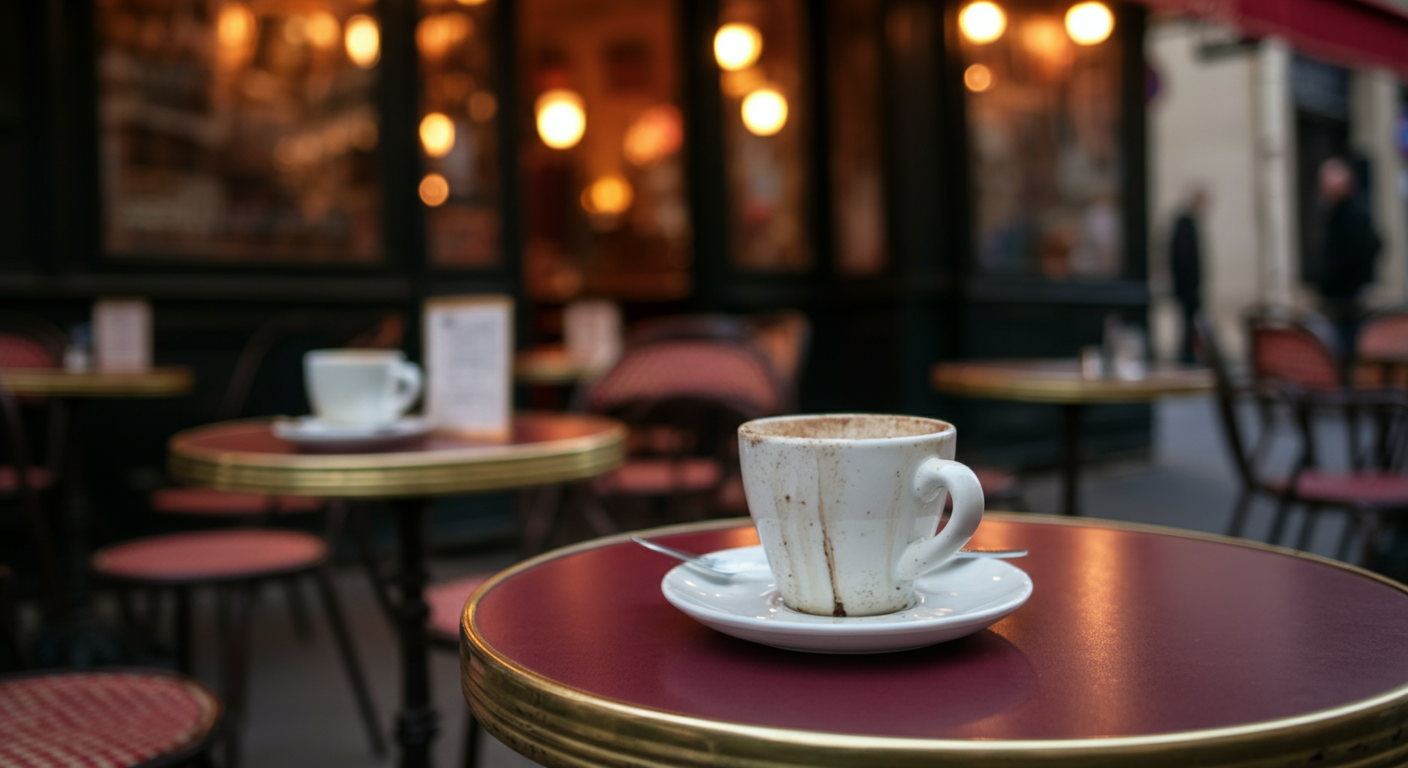
To truly navigate the Parisian coffee landscape, it's essential to understand the fundamental distinction between a traditional *café* and a modern *coffee shop* (often called a *coffee shop* or *brûlerie*). They offer two vastly different experiences, and knowing which one you're in the mood for will make all the difference. A traditional café is an institution woven into the fabric of French life, serving as a social hub from morning till night. It’s a place for a quick espresso at the bar, a leisurely lunch, or an evening *apéritif*. In contrast, the modern coffee shop is a more recent import, a product of the global third-wave coffee movement that prioritizes the quality and origin of the coffee bean above all else. This section will break down these differences, explore the unique culture of each, and trace the history that led to this fascinating duality in the world's most romanticized city of cafes.
The Great Debate: Understanding the Key Differences
The primary difference lies in their purpose. A traditional Parisian café, like Café de la Paix or a local neighborhood spot, is a multi-purpose social venue. Coffee is just one of many offerings, alongside wine, beer, spirits, and often a full food menu. The coffee itself is typically a dark-roasted, strong, and sometimes bitter espresso from a large, commercial supplier. The focus is on the atmosphere, the social interaction, and the act of being in a public space. You go there to meet friends, read the paper, or watch the world go by. A modern coffee shop, such as Partisan Café or Boot Café, is all about the coffee. The barista is a skilled craftsperson, the beans are single-origin and lightly roasted to highlight their unique flavors, and the brewing methods are varied and precise (think V60, Chemex, Aeropress). The food menu is usually limited to pastries or light bites that complement the coffee. The vibe is often more focused, quieter, and sometimes more transient, with people coming in specifically for their caffeine fix. Understanding this distinction is key to managing your expectations and finding the best cafe in Paris for your specific craving.
The Art of Parisian Café Culture: People-Watching, Terrace Life, and How to Linger Like a Local
Mastering Parisian café culture is an art form. The first rule is to embrace the art of doing nothing. Parisians don't just "grab a coffee"; they take a *pause-café*. Find a table on the *terrasse*, turn your chair to face the street, and settle in. This isn't considered rude; it's the entire point. You're there to observe the city's theatre. The second rule is to understand the rhythm. Mornings are for a quick *café au comptoir* (coffee at the counter, which is cheaper) and a croissant. Lunchtime is a bustling affair with the *plat du jour* (daily special). The late afternoon, or *l'heure du goûter*, is perfect for a pastry and a coffee. Early evening is for the *apéro* (pre-dinner drink). To linger like a local, order your drink and make it last. The waiter will not rush you or bring the bill until you ask for it (*l'addition, s'il vous plaît*). They are providing you with a piece of Parisian real estate for the price of a drink, and it's yours to enjoy for as long as you wish. This is the fundamental contract of the Parisian café: you pay for the space and the time as much as for the drink itself.
A Brief History: From Hemingway’s Haunt to Today’s Third-Wave Revolution
The Parisian café has been the backdrop for revolution, artistic creation, and philosophical debate for centuries. It began in 1686 with the opening of Le Procope, which quickly became a meeting place for the city's intellectuals, including Voltaire and Rousseau. In the 19th and 20th centuries, cafes in Montparnasse and Saint-Germain-des-Prés became the epicenters of artistic and literary movements. The "Lost Generation" of American expatriates, like Hemingway and Fitzgerald, found a home in places like La Closerie des Lilas. Post-war, the Existentialists, led by Sartre and de Beauvoir, held court at Les Deux Magots and Café de Flore. For decades, the cafe scene remained largely unchanged: smoky, atmospheric institutions serving standard French fare and coffee. The third-wave revolution began quietly in the early 2010s. Pioneers like Coutume Café and L'Arbre à Café introduced Parisians to the concepts of specialty beans, in-house roasting, and artisanal brewing methods. Initially seen as an Anglo-Saxon trend, it has since blossomed into a full-fledged movement, creating a new, parallel coffee culture that coexists with the traditional one. Today, you can choose to step back in time at a historic café or taste a single-origin Ethiopian coffee brewed by a champion barista, all within a few blocks.
Our Top 10 Picks: The Best Cafes in Paris for 2024 (The Ultimate List)
After extensive research, countless espresso shots, and many hours spent on sunny terraces, the Gidly team has compiled the ultimate list of the best cafes in Paris for 2024. This is more than just a ranking; it's a curated collection of experiences. We've balanced the iconic institutions with the trailblazing newcomers, the hidden gems with the grand dames. Each cafe on this list has been chosen for its unique contribution to the city's fabric, whether it's through historical significance, coffee excellence, unparalleled ambiance, or a perfect blend of all three. We've included practical details like addresses and what makes each spot special, so you can build your own personal coffee tour of Paris. Prepare to discover your new favorite spot, from a tiny, charming hole-in-the-wall to a grand, historic hall.
1. Coutume Café: The Specialty Coffee Pioneer
As mentioned, Coutume Café is a non-negotiable stop for any serious coffee lover. Located at 47 Rue de Babylone, 75007, it's a temple to the bean. When our team visited, the space felt like a bright, airy laboratory dedicated to coffee perfection. The baristas are not just service staff; they are educators, passionate about explaining the difference between a washed and a natural process bean. We tried a V60 pour-over of a Colombian single-origin, and the tasting notes of citrus and caramel were incredibly distinct. This isn't the place for a traditional Parisian experience of lingering for hours; the vibe is more focused and efficient. However, they also offer a fantastic brunch menu, with dishes designed to complement their coffee offerings. Their success has led to several other locations, but the original on Rue de Babylone remains the heart of the operation. If you want to understand the origins of the Parisian specialty coffee movement, you must start here. It represents a paradigm shift in how the city thinks about coffee, and its influence is undeniable.
2. Les Deux Magots: The Iconic Literary Hangout
No list of Parisian cafes is complete without Les Deux Magots. Situated at 6 Place Saint-Germain-des-Prés, 75006, it’s an icon of global recognition. Stepping inside feels like entering a time capsule. The dark wood, red banquettes, and the famous statues of the two Chinese merchants create an atmosphere thick with history. While it’s a major tourist destination, it still retains a magical quality. Gidly's advice is to go in the early morning before the crowds descend. Having a *café crème* and a warm croissant on the terrace as Saint-Germain wakes up is a truly special moment. The service is formal and professional, a performance in itself. While the coffee is standard French café fare and the prices are high (a coffee can be €8-10, a club sandwich around €25), you are paying for the location and the history. It's an experience, a photo opportunity, and a chance to sit where literary giants once sat. For a pure taste of Parisian history, it is an essential and unforgettable stop.
3. Boot Café: The Tiny, Instagrammable Gem in Le Marais
Tucked away at 19 Rue du Pont aux Choux, 75003, Boot Café is the definition of a hidden gem. Housed in a former shoemaker's shop ("Cordonnerie"), this impossibly tiny coffee shop is one of the most charming spots in the city. With only a handful of seats inside, it's often a grab-and-go situation, but if you can snag a spot at the small table outside, it's perfect for watching the fashionable residents of Le Marais stroll by. The vintage blue facade is one of the most photographed in Paris. Despite its small size, the coffee is world-class. They serve beans from top European roasters and the baristas are experts at their craft. We found their flat white to be perfectly balanced and beautifully presented. It’s the perfect place to grab a high-quality caffeine boost while exploring the trendy boutiques and historic streets of Le Marais. Boot Café proves that great things come in small packages and offers a uniquely intimate coffee experience that feels like a local secret.
4. Café de Flore: The Chicest Spot for People-Watching
Its rival, Les Deux Magots, may have a similar history, but Café de Flore (172 Boulevard Saint-Germain, 75006) has cultivated an aura of untouchable chic. It has long been the preferred haunt of the fashion and film industries, and its terrace remains one of the best places in the world to see and be seen. The interior is a beautifully preserved Art Deco masterpiece, but the real prize is a seat on the ground-floor terrace. From here, you have an unobstructed view of the boulevard's stylish passersby. The waiters, with their impeccable service and air of dignified authority, are part of the show. We recommend ordering their legendary hot chocolate, which arrives thick, dark, and decadent, served in a personal pot with a side of whipped cream. It's an indulgence, but one that feels perfectly suited to the opulent surroundings. Yes, it's expensive and often crowded, but for a single, perfect moment of feeling like you're at the absolute center of the Parisian universe, Café de Flore is unbeatable.
5. Shakespeare and Company Café: The Book Lover’s Dream with a View
Adjacent to the legendary English-language bookshop, the Shakespeare and Company Café (37 Rue de la Bûcherie, 75005) is a haven for literary souls. With a prime location directly opposite the Notre Dame Cathedral, the views from its outdoor tables are simply breathtaking. The cafe serves specialty coffee (from local roaster Café Lomi), organic teas, fresh juices, and a delicious selection of vegetarian and vegan-friendly cakes, bagels, and light meals. Our team loves grabbing a flat white and one of their famous lemon and poppy seed cakes. The vibe is relaxed, friendly, and international, a perfect extension of the bookshop's welcoming spirit. It’s a wonderful place to sit with a newly purchased book, reflect after a visit to the cathedral, or simply watch the boats glide by on the Seine. The connection to the bookstore, which has been a gathering place for writers for generations, infuses the cafe with a unique creative energy. It's more than just a cafe; it's a vital part of a cherished Parisian cultural institution.
6. Le Procope: The Oldest Café in Paris (Since 1686)
For a true journey back in time, visit Le Procope at 13 Rue de l'Ancienne Comédie, 75006. As the oldest continuously operating café-restaurant in Paris, its walls have witnessed centuries of history. Opened by a Sicilian chef in 1686, it's credited with introducing coffee to Parisian society. The list of historical patrons is staggering: Voltaire, Rousseau, Benjamin Franklin, and a young Napoleon Bonaparte (who once left his hat as collateral for a bill). Today, it operates more as a traditional French restaurant, but you can still stop in for a coffee to soak in the incredible atmosphere. The decor is opulent and historic, with crystal chandeliers, portraits of famous patrons, and antique furniture. You'll even find Napoleon's hat displayed in a glass case. While the coffee is secondary to the history, ordering an espresso here feels like participating in a 300-year-old tradition. It's a must-visit for history enthusiasts looking to connect with the Enlightenment roots of Parisian café culture.
7. Partisan Café: The Minimalist Mecca for Coffee Purists
Located at 36 Rue de Turbigo, 75003, Partisan Café Artisanal is a shining example of Paris's new wave of coffee shops. With a sleek, minimalist interior featuring concrete floors, light wood, and a massive brewing station as the centerpiece, Partisan is designed for the serious coffee enthusiast. They roast their own beans on-site, and the quality is exceptional. When we visited, the aroma of freshly roasted coffee was intoxicating. Their menu is straightforward, focusing on perfectly executed espresso-based drinks and filter coffee options. The Gidly team was particularly impressed with their "shot-in-the-dark" (a shot of espresso next to a small filter coffee of the same bean), which allows you to experience the full range of a single-origin's flavor profile. It's a fantastic spot for a quick, high-impact caffeine hit before diving into the trendy shops of the upper Marais. It’s less about cozy lingering and more about appreciating the pure craft of coffee.
8. Angelina: The Grand Dame for Hot Chocolate & Pastries
While technically a *salon de thé* (tea room), no guide to Parisian cafe culture is complete without mentioning Angelina. The original location at 226 Rue de Rivoli, 75001, is a Belle Époque masterpiece, with ornate moldings, grand mirrors, and elegant decor. It has been a Parisian institution since 1903, famous for two things: its ridiculously rich and thick "L'Africain" hot chocolate and its signature Mont-Blanc pastry (a meringue base topped with whipped cream and chestnut purée vermicelli). Going to Angelina is an event. There is almost always a queue, but the experience is worth the wait. It's the perfect place for a decadent afternoon treat, especially on a cold day. While their coffee is perfectly fine, you come here for the hot chocolate and the pastries. It’s a luxurious, indulgent experience that feels like stepping into a more glamorous era. It’s an ideal spot to take your mom, celebrate a special occasion, or simply treat yourself to something truly special.
9. KB CaféShop: The South-Pigalle Staple with a Sunny Terrace
Situated in the heart of the hip South Pigalle (SoPi) neighborhood at 53 Avenue Trudaine, 75009, KB CaféShop is a favorite among locals and digital nomads. What sets KB apart is its large, sunny terrace that faces a leafy roundabout—a rare luxury for a specialty coffee shop in Paris. It's the perfect spot to soak up the sun with a laptop and a perfectly crafted coffee. They were one of the earlier adopters of the specialty coffee scene and roast their own beans under the name "KB Coffee Roasters." The quality is consistently high, and the vibe is buzzing and energetic. Our team loves the relaxed, unpretentious atmosphere. It's one of the few places that successfully combines high-quality coffee with a classic, Parisian-style terrace perfect for lingering. It’s an ideal headquarters for exploring the charming streets of SoPi and nearby Montmartre, and a great choice if you need to get some work done in a pleasant environment.
10. Fragments: The Cozy Courtyard for Perfect Avocado Toast & Coffee
Tucked away on a quiet street in the Marais at 76 Rue des Tournelles, 75003, Fragments is a cozy, rustic-chic cafe known for two things: excellent coffee and one of the best avocado toasts in Paris. The exposed stone walls, mismatched wooden furniture, and secluded vibe make it feel like a cherished neighborhood secret. It's a small space, so it can get crowded, but the atmosphere is always warm and welcoming. They take their coffee very seriously, featuring beans from top European roasters and preparing each cup with care. It has become a go-to spot for a leisurely weekend brunch. When our team visited for brunch, the avocado toast with a poached egg was a standout, as was the homemade cinnamon babka. Fragments successfully bridges the gap between a high-end coffee shop and a cozy brunch spot, making it a perfect destination for a delicious, relaxed morning or afternoon. It encapsulates the modern Parisian ideal: effortlessly cool, quality-focused, and incredibly satisfying.
The Perfect Paris Cafe For Every Scenario (The Gidly Guide)
The beauty of the Parisian cafe scene is its sheer diversity; there's a perfect spot for every mood, occasion, and company. It's not just about finding good coffee; it's about curating an experience. Whether you're planning a romantic rendezvous, a lively catch-up with friends, a quiet solo afternoon, or seeking refuge from the rain, the city has a cafe that fits the bill perfectly. In this Gidly guide, we move beyond a simple list and match our favorite cafes to your specific scenario. Think of us as your personal concierge for Parisian experiences, ensuring you never end up in a loud, bustling cafe when you're seeking quiet contemplation, or a tiny, cramped spot when you're with a group. Let's find the perfect setting for your next Parisian moment.
For a Romantic Date: Ambiance, Intimacy & Low Lighting
When romance is on the agenda, you need a cafe with soft lighting, intimate corners, and an atmosphere that encourages close conversation. For this, we recommend seeking out the hidden gems rather than the grand, bustling institutions. Our top Gidly pick is Le Consulat in Montmartre. While the exterior on Rue Norvins is famously photographed, find a cozy table inside, where the classic decor and slightly quieter ambiance feel a world away from the crowds. Another excellent choice is a smaller, lesser-known *salon de thé* like Mamie Gâteau (66 Rue du Cherche-Midi, 75006), which feels like stepping into a charming French grandmother's kitchen, perfect for a sweet and intimate afternoon date. For an evening coffee or drink, find a small wine bar that also serves excellent coffee, like La Palette (43 Rue de Seine, 75006). Its paint-splattered walls and historic, artsy vibe create a unique and memorable backdrop for a romantic tête-à-tête. The key is to look for places with character, warmth, and a sense of discovery.
For a Weekend Catch-up with Friends: Lively, Spacious & Great Terraces
When meeting a group of friends, your priorities shift to space, a lively atmosphere, and ideally, a great terrace where you can chat for hours. This is where the larger, traditional brasseries and cafes with expansive outdoor seating truly shine. Café Charlot in the upper Marais (38 Rue de Bretagne, 75003) is a perfect example. It has a huge, bustling terrace, a vibrant atmosphere, and a crowd-pleasing menu, making it ideal for a group. You're right opposite the Marché des Enfants Rouges, adding to the lively neighborhood feel. Another fantastic option is KB CaféShop in South Pigalle, which we've already praised for its large, sunny terrace—it's practically designed for group hangouts. For a more central location, the terrace at Café de la Paix, overlooking the Opéra Garnier, is grand and impressive, though be prepared for premium prices. The goal is to find a place that feels energetic without being so loud you can't hear each other speak, and where the waiters are accustomed to larger tables lingering over several rounds of drinks.
For a Solo Afternoon with a Good Book: Quiet Corners & Cozy Vibes
There is no greater Parisian pleasure than spending a solo afternoon with a book, a coffee, and your thoughts. For this, you need a cafe that welcomes lingerers and offers a cozy, comfortable corner where you can feel anonymous yet part of the city's hum. Shakespeare and Company Café is a natural choice, surrounded by fellow book lovers. Another Gidly favorite for this scenario is Fragments in the Marais. Its tucked-away location and warm, rustic interior make it a perfect cocoon. We also love Ob-La-Di Café (54 Rue de Saintonge, 75003), a small but beautifully designed spot that feels welcoming to solo patrons. The key is to avoid the grand, tourist-heavy cafes on the main boulevards where the energy is high and the turnover is fast. Instead, seek out the side-street specialty shops or neighborhood cafes where the pace is slower and the act of reading in public is not just tolerated but celebrated as a classic Parisian pastime. Let the world rush by while you turn the pages.
For a Rainy Day: Warm, Welcoming & Indoors
A rainy day in Paris isn't a disaster; it's an opportunity to experience the city's coziest side. The perfect rainy-day cafe must have a captivating interior, a warm atmosphere, and a menu that offers comfort. Angelina is the queen of rainy-day destinations, offering a luxurious escape. Another fantastic option is a historic covered passage, like the Galerie Vivienne, where you can find charming cafes like Le Grand Colbert (though more of a brasserie, it serves coffee). You can enjoy the feeling of being outdoors while staying perfectly dry. For a more modern and cozy vibe, The Hood Paris (10 Rue Jean-Pierre Timbaud, 75011) combines specialty coffee with delicious Asian-inspired comfort food in a bright, friendly space that feels like a community hub. The sound of rain against the window panes only enhances the feeling of sanctuary. A rainy day is your excuse to ignore the terrace, focus on the interior, and indulge in that extra pastry or a bowl of soup. It’s the perfect time to discover the soul of a cafe's indoor space.
The Digital Nomad’s Guide: Best Laptop-Friendly Cafes in Paris for Working
Paris can be a dream for digital nomads, but finding a comfortable place to work requires some insider knowledge. The city's cafe culture wasn't originally designed for laptops and long work sessions, but the scene is adapting. This guide is for the remote worker, the student, or anyone needing to plug in and be productive for a few hours. We'll cover where to find reliable Wi-Fi, the holy grail of power outlets, and how to navigate the local etiquette to avoid dirty looks from waiters. From specialty coffee shops that welcome the click-clack of keyboards to innovative co-working cafes, here's how to make Paris your office for the day. Finding the right spot can be the difference between a frustrating day and a highly productive one, fueled by excellent coffee.
Cafes with Free, Reliable Wi-Fi
While most cafes in Paris now offer Wi-Fi, the quality can be wildly inconsistent. For a digital nomad, a spotty connection is a deal-breaker. From our Gidly team's field testing, we've found that specialty coffee shops are generally a safer bet than traditional brasseries for a stable connection. KB CaféShop in South Pigalle is renowned for its good Wi-Fi and work-friendly vibe. Similarly, Coutume Café, despite its serious coffee focus, has a reliable network that can handle your tasks. Another strong contender is Café Lomi (3 ter Rue Marcadet, 75018), a large roastery and cafe near Gare du Nord with plenty of space and a solid connection. When in doubt, look for cafes that attract a younger, student, or international crowd, as they are more likely to have invested in decent internet. Always be prepared with a personal hotspot on your phone as a backup, just in case the network is down or overwhelmed during peak hours.
Where to Find Power Outlets Without a Fight
The search for a *prise électrique* (power outlet) is the Parisian digital nomad's greatest quest. In historic buildings, they are often few and far between. This is where planning ahead is crucial. Newer, purpose-built specialty coffee shops are much more likely to have outlets designed for customer use. At KB CaféShop, look for the spots along the walls. Coutume has several, but they are prime real estate, so arrive early. The absolute best option for guaranteed power is a co-working cafe like Anticafé. Another strategy is to look for larger, more modern cafes or even chains like Le Pain Quotidien, which are often better equipped. When you enter a cafe, do a quick scan along the baseboards before you even order. Politely ask the staff, "*Est-ce que je peux brancher mon ordinateur?*" (Can I plug in my laptop?). A fully charged power bank is your best friend and can be a lifesaver, giving you the freedom to choose a better table rather than being tethered to the only available outlet next to the restroom.
Understanding the "No-Laptop" Etiquette on Weekends
This is a critical piece of local etiquette. Many cafes that are laptop-friendly during the week implement a "no laptops" or "laptops closed" policy during peak hours, especially on weekends and during lunchtime (typically 12 PM - 2 PM). This is not to be difficult; it's a simple matter of business. Brunch and weekend rushes are when cafes make a significant portion of their income. A single person occupying a table for four for three hours with one coffee is a financial loss for the establishment. Our research shows that places like Fragments and Holybelly are famous for their brunch and will politely ask you to put your laptop away. Always look for signs, which are often posted near the entrance or on the menu. If you're unsure, ask. Respecting this rule will earn you goodwill. If you absolutely must work on a weekend, plan to do so in the mid-afternoon lull (around 3 PM - 5 PM) or seek out a dedicated co-working space.
Co-working Cafes (like Anticafé): Pay by the Hour, Not by the Coffee
For those who need to work for an extended period without any stress, the Anticafé network is a game-changer and a Gidly favorite for productivity. The concept is simple: you pay for the time you spend there, not for what you consume. The current rate is around €6 for the first hour and then priced per minute or with day passes available. This fee includes unlimited coffee (from a proper espresso machine), teas, soft drinks, and a buffet of light snacks like fruit, yogurt, and biscuits. Every Anticafé is equipped with strong Wi-Fi, ample power outlets, printers, and a variety of seating options from communal tables to quiet corners. It removes all the guilt and uncertainty of overstaying your welcome in a traditional cafe. With multiple locations across Paris, including République, Louvre, and Station F, you can easily find one near you. It's the perfect hybrid solution, offering the resources of an office with the relaxed atmosphere of a cafe.
The Family-Friendly Guide: Best Cafes in Paris with Kids
Taking on Paris with kids can be a magical experience, but it also comes with its own set of logistical challenges, like navigating narrow spaces with a stroller or finding a menu that appeals to picky eaters. A well-timed cafe break is essential for recharging little legs (and parents' spirits). The good news is that Paris is more family-friendly than you might think, provided you know where to look. This guide is designed to help parents find cafes that are not just tolerant of children, but genuinely welcoming. We've focused on places with enough space, kid-approved treats, and strategic locations near parks for that all-important post-pastry energy burn.
Cafes with Ample Space for Strollers & High Chairs
Space is a luxury in Paris, and many charming cafes are simply too tiny to accommodate a stroller (*poussette*). The key is to look for larger, more modern establishments or those with generous outdoor terraces. Le Pain Quotidien, a Belgian chain with numerous locations in Paris, is a reliable choice. Their cafes are typically spacious, with large communal tables and, crucially, high chairs (*chaises hautes*) available. Another excellent Gidly-approved spot is the cafe at the Jardin des Tuileries or the Jardin du Luxembourg. These park cafes are designed for families, with plenty of outdoor seating and a casual atmosphere where no one will bat an eye at a running toddler. When scouting a potential cafe, a quick glance inside is all you need. If the tables are packed tightly together and the aisles are narrow, it's best to move on. Look for places with a more open floor plan or a large, accessible terrace.
Kid-Approved Menus: From "Chocolat Chaud" to Delicious Pastries
The Parisian cafe menu is naturally kid-friendly. What child can resist a flaky *pain au chocolat* or a buttery croissant? The quintessential kid's drink is a *chocolat chaud* (hot chocolate), which is a guaranteed winner. For a less sugary option, you can ask for a *diabolo menthe* (lemonade with mint syrup) or *diabolo grenadine* (lemonade with pomegranate syrup). Many cafes also offer freshly squeezed orange juice (*orange pressée*). For a simple snack, a *croque monsieur* (grilled ham and cheese sandwich) is often a hit. Pâtisseries like Angelina or Odette are destinations in themselves, offering a visual and culinary treat for the whole family. One pro tip from our team is to visit a local *boulangerie* first to pick up a variety of pastries, then find a simple cafe that is happy for you to consume them with the purchase of drinks. This way, everyone gets their first choice of treat.
Cafes Located Near Parks and Playgrounds for a Post-Treat Runaround
The ultimate parental hack is the cafe-park combination. Fuel up with coffee and pastries, then immediately let the kids run wild in a nearby playground. The 6th arrondissement offers a perfect example: grab treats from a bakery on Rue de Seine, then head into the magnificent Jardin du Luxembourg, which has a fantastic adventure playground, a pond for sailing toy boats, and pony rides. Another great combo is in the Marais: visit a cafe near the beautiful Place des Vosges. The square has grassy areas for relaxing and two well-equipped playgrounds. In the 9th, KB CaféShop is just a short walk from the Square d'Anvers, which has a playground with a lovely view up towards the Sacré-Cœur. By planning your cafe stop strategically near a green space, you create a perfect, balanced itinerary that keeps both parents and children happy, blending Parisian indulgence with much-needed playtime.
A Neighborhood-by-Neighborhood Guide to Parisian Cafes
Paris is a city of villages, each with its own distinct character, and the cafe scene in each neighborhood reflects this unique identity. Exploring the city arrondissement by arrondissement is one of the best ways to discover its diverse flavors. From the trendy, historic lanes of Le Marais to the intellectual chic of Saint-Germain-des-Prés, the cafe you choose can define your experience of that neighborhood. In this guide, we'll take you on a tour of Paris's most iconic districts, highlighting the vibe of the local cafe culture and pointing you toward the must-visit spots in each. Whether you're looking for bohemian charm, student-friendly prices, or classic elegance, this neighborhood guide will help you drink coffee like a true local, wherever you are in the city.
Le Marais (3rd/4th Arr.): Trendy, Historic & Full of Hidden Gems
Le Marais is a captivating blend of medieval streets, grand 17th-century mansions, trendy boutiques, and a vibrant LGBTQ+ and Jewish culture. Its cafe scene is equally eclectic. Here you'll find some of the city's best specialty coffee shops tucked into historic storefronts, alongside classic cafes perfect for people-watching. Our team spent a full day cafe-hopping here and found incredible variety. For top-tier coffee, Boot Café, Partisan Café, and Fragments are all essential stops. For a more traditional vibe with a fantastic terrace, Café Charlot on Rue de Bretagne is a bustling hub. Don't miss the chance to wander down the quieter side streets, where you might stumble upon a charming courtyard cafe like that of the Swedish Institute (Café FIKA). The beauty of Le Marais is in the discovery; every corner seems to hold a new secret, and many of them serve excellent coffee. It's a neighborhood that rewards aimless wandering.
Saint-Germain-des-Prés (6th Arr.): Classic, Chic & Literary Legends
This is the Paris of postcards and dreams. Saint-Germain is the historic heart of the city's intellectual and literary life, and its cafes are legendary. This is where you'll find the holy trinity: Les Deux Magots, Café de Flore, and their slightly more foodie-focused neighbor, Brasserie Lipp. The atmosphere is one of timeless elegance and intellectual heritage. While these icons are must-sees, the neighborhood has more to offer. Le Procope, the city's oldest cafe, is just a short walk away. For something a bit more low-key but equally charming, our team adores the aforementioned La Palette on Rue de Seine, a former haunt of art students that still retains its bohemian flair. The coffee in the classic spots is standard, but the people-watching is S-tier. You come here not for a perfect pour-over, but to soak in the atmosphere that inspired generations of thinkers and artists. It's an expensive area, but for a taste of classic Parisian chic, it's unparalleled.
Montmartre (18th Arr.): Artistic, Charming & Tourist-Friendly Spots
With its steep, winding streets, artistic history, and the stunning Sacré-Cœur basilica, Montmartre feels like a village apart from the rest of Paris. Its cafe scene is a mix of charming, historic spots and some very tourist-oriented establishments. The key is to wander away from the main square, Place du Tertre, where artists paint for tourists. A few streets away, you'll find gems like La Maison Rose, the iconic pink building that has been painted by artists for decades. Another classic is Le Consulat, which has a picture-perfect facade. For better quality coffee, you'll need to head down the hill towards Pigalle, but for pure charm and atmosphere, Montmartre is hard to beat. Our team suggests an early morning walk before the crowds arrive. Find a small cafe on a quiet corner, order a *café crème*, and watch the neighborhood wake up. It's in these quiet moments that you can still feel the bohemian spirit of Picasso and Renoir who once called this hill home.
Latin Quarter (5th Arr.): Student Vibes & Budget-Friendly Finds
Home to the Sorbonne University, the Latin Quarter has a youthful, intellectual energy. The cafe scene here is shaped by its student population, meaning you can find more budget-friendly options and places with a relaxed, studious vibe. The streets around the university are filled with classic cafes and bookstores. One of the most beloved spots is the Shakespeare and Company Café, perfectly positioned for a break from browsing the adjacent bookstore. For a more traditional experience, explore the area around the Panthéon. The neighborhood also has a growing number of specialty coffee spots catering to a discerning student crowd. One standout is Jozi Café (3 Rue Valette, 75005), a friendly spot with great coffee and food. The Latin Quarter offers a less pretentious, more lived-in cafe experience, perfect for those looking to tap into the city's academic and bohemian roots without the high prices of Saint-Germain.
Canal Saint-Martin (10th Arr.): Bobo-Chic & Waterside Views
The Canal Saint-Martin area has become one of Paris's trendiest neighborhoods, known for its "bobo" (bohemian-bourgeois) population, independent boutiques, and picturesque iron footbridges. The cafe culture here is relaxed, cool, and contemporary. You'll find a high concentration of excellent specialty coffee shops. Ten Belles (10 Rue de la Grange aux Belles, 75010) is a pioneer of the area's coffee scene and remains a popular spot, though it's tiny. For more space, try Radiodays (15 Rue d'Alibert, 75010), which has a sleek, friendly vibe and great coffee. The best part of the canal is the lifestyle it encourages. Many locals grab a coffee to go and sit along the water's edge, especially on sunny days. This creates a unique, communal cafe experience that's less about the terrace and more about the picnic blanket. It's the perfect neighborhood for experiencing modern, laid-back Parisian life.
| Neighborhood | Vibe | Must-Visit Cafe | Price Range |
|---|---|---|---|
| Le Marais | Trendy, Historic, Eclectic | Boot Café | €€ - €€€ |
| Saint-Germain-des-Prés | Chic, Literary, Classic | Café de Flore | €€€€ |
| Montmartre | Artistic, Charming, Touristy | La Maison Rose | €€€ |
| Latin Quarter | Student, Bohemian, Budget-Friendly | Shakespeare & Co. Café | €€ |
| Canal Saint-Martin | Bobo-Chic, Relaxed, Modern | Ten Belles | €€ |
The Historian's Tour: Stepping into Paris’s Most Iconic & Famous Cafes
To visit Paris's most famous cafes is to take a tangible step into history. These are not just places to drink coffee; they are hallowed grounds where revolutions were plotted, masterpieces were written, and the course of 20th-century culture was charted. Each of these institutions has a story to tell, with a cast of characters that includes the world's most famous writers, artists, and thinkers. While the coffee they serve today may be secondary to their legendary status, the experience of sitting in these spaces is a pilgrimage for anyone interested in the cultural history of Paris and the world. This tour is a journey through time, exploring the rivalries, romances, and creative explosions that unfolded within these storied walls.
Les Deux Magots: In the Footsteps of Sartre & de Beauvoir
Les Deux Magots is arguably the most famous literary cafe in the world. Its golden age was in the post-war period when it became the headquarters of the Existentialist movement. Jean-Paul Sartre and Simone de Beauvoir were daily fixtures, often writing at their tables from morning until evening, treating the cafe as their office, living room, and philosophical battleground. They would meet with other intellectuals like Albert Camus (before their famous falling out), Boris Vian, and a host of others. The cafe even established its own literary prize in 1933, the Prix des Deux Magots, to honor avant-garde writers. When you sit on its terrace today, overlooking the ancient church of Saint-Germain-des-Prés, you are occupying the very space where the ideas that defined an era were born and debated. The waiters, in their traditional attire, seem to be guardians of this legacy, and the two "magots" statues inside have silently witnessed it all.
Café de Flore: The Rival and Intellectual Hotspot
Just down the street, Café de Flore was the eternal rival to Les Deux Magots. While many intellectuals frequented both, allegiances were often formed. During the German Occupation of Paris, Café de Flore, being better heated, became the preferred spot, and Sartre and de Beauvoir moved their "office" there. It has a slightly more intimate and arguably more chic feel than its neighbor, with its iconic red moleskin banquettes and mirrored walls. Café de Flore also attracted a wide range of artists and thinkers, from the poet Guillaume Apollinaire, who held court there in the early 20th century, to filmmakers and fashion designers in more recent decades. The rivalry between the two cafes was a microcosm of the intellectual ferment of the Left Bank, a friendly but definite competition for the title of Paris's top intellectual cafe. Today, it is often considered the more fashionable of the two, a favorite of the art and fashion worlds.
La Closerie des Lilas: Hemingway's Favorite Writing Spot
If Saint-Germain was for the philosophers, Montparnasse was for the writers and artists of the "Lost Generation." La Closerie des Lilas (171 Boulevard du Montparnasse, 75006), with its lush garden terrace and piano bar, was at the heart of this scene. Its most famous patron was Ernest Hemingway, who wrote extensively about it in his memoir, "A Moveable Feast." He claimed to have written large parts of "The Sun Also Rises" at one of its tables. The cafe honors his legacy with a small plaque marking his favorite seat at the bar. But Hemingway was not alone; F. Scott Fitzgerald (who famously gave Hemingway the manuscript for "The Great Gatsby" to read here), Ezra Pound, and James Joyce were also regulars. The atmosphere at La Closerie is different from the Saint-Germain cafes—it's more of a refined restaurant and piano bar now, but the historic bar area still retains that magical, literary feel. It's a place that feels steeped in creative energy and American literary history in the heart of Paris.
Le Procope: Where Napoleon and Voltaire Once Dined
Le Procope is the grandfather of all Parisian cafes. Established in 1686, it predates the others on this list by well over a century. Its opening marked a turning point in Parisian social life, popularizing coffee and creating a new kind of public space for discussion and debate. Its guest list is a "who's who" of the French Enlightenment: Voltaire was said to drink up to 40 cups of coffee a day here, and Jean-Jacques Rousseau is another famous patron. During the French Revolution, it was a meeting place for figures like Danton and Marat. Even American history was made here, as Benjamin Franklin is said to have worked on the Franco-American alliance within its walls. As mentioned earlier, a young Napoleon Bonaparte once left his hat as security for his bill. Today, Le Procope is a full-service restaurant serving classic French cuisine, but its historical significance is palpable in every room. Dining here is like eating in a museum where history was made.
For the Coffee Connoisseur: Best Specialty Coffee Shops
If your search for the best cafe in Paris is driven by a quest for the perfect cup, then this section is for you. In the last decade, Paris has undergone a coffee revolution, transforming from a city of uniformly dark, bitter espresso to a world-class destination for specialty coffee. This new wave of cafes, often called *brûleries* (roasters) or simply *coffee shops*, prioritizes quality, transparency, and craft. Here, the barista is an expert, the beans have a traceable lineage, and the flavor notes are as complex as a fine wine. We'll guide you to the places where you can get a flawless flat white, explore the nuances of single-origin beans, and even find your favorite oat milk latte, all while learning the lingo of the modern Parisian coffee scene.
Top Roasters & Baristas: Where to Get a Perfect Flat White or Pour-Over
The heroes of the specialty coffee scene are the roasters and baristas who dedicate themselves to the craft. A great flat white, with its velvety microfoam and perfectly integrated espresso, is a work of art. Our team has found consistently excellent flat whites at Boot Café, KB CaféShop, and Coutume. For the purist who wants to taste the subtle complexities of a bean, a pour-over (or *filtre*) is the way to go. Places like Partisan Café and Télescope (5 Rue Villedo, 75001) excel at this, offering a rotating menu of beans prepared with methods like V60 or Kalita Wave. The baristas in these shops are knowledgeable and usually happy to chat about the coffee, recommending a bean based on your flavor preferences (fruity, chocolatey, floral, etc.). Don't be shy to ask questions; their passion is infectious. These cafes are the equivalent of Michelin-starred restaurants for the coffee world, where every detail is considered to produce a sublime result.
Sourcing the Beans: Exploring Single-Origin Coffees in Paris
The core principle of specialty coffee is traceability. A "single-origin" coffee comes from a specific farm or region within one country, allowing its unique characteristics—shaped by soil, climate, and processing method—to shine through. Many of the top Parisian coffee shops now roast their own beans or source them from renowned European roasters. Café Lomi, for example, is a major roaster that supplies many other cafes in the city, and their own cafe is a great place to sample their full range. Exploring single-origin coffees is a sensory journey. You might try an Ethiopian Yirgacheffe with bright, floral, tea-like notes one day, and a Brazilian bean with rich, chocolatey, nutty flavors the next. When you visit a specialty shop, look at the board or ask the barista what filter options they have that day. It's the best way to expand your palate and appreciate the incredible diversity of the coffee world. You can also buy bags of beans to take home as the perfect Parisian souvenir.
Non-Dairy in Paris: How to Order Your Oat Milk (Lait d'Avoine) Cappuccino
Just a few years ago, finding non-dairy milk in a Parisian cafe was a challenge. Today, it's becoming increasingly common, especially in specialty coffee shops. The most popular option by far is oat milk, or *lait d'avoine* (pronounced "lay da-vwahn"). Most specialty coffee shops, including all the ones mentioned in this section, will offer oat milk, usually for a supplement of around €0.50. Soy milk (*lait de soja*) and almond milk (*lait d'amande*) are also sometimes available. In traditional cafes, however, it's still very rare. If you have a dairy intolerance or preference, your best bet is to stick to the modern coffee shops. To order, you would simply ask for, "Un cappuccino au lait d'avoine, s'il vous plaît." The baristas in these shops are used to these requests and often use high-quality, barista-edition oat milk that steams beautifully, so you won't have to sacrifice the quality of your drink. This change reflects the broader internationalization and modernization of the Paris coffee scene.
Beyond the Bean: Best Cafes for Food, Pastries & Brunch
While coffee is often the star, many Parisian cafes offer culinary delights that are just as memorable. From the perfect croissant to accompany your morning coffee to a lavish weekend brunch, the food at a cafe can elevate the entire experience. Paris is, after all, a gastronomic capital, and this extends to its casual dining spots. This section is dedicated to the cafes where the food is not just an afterthought but a main attraction. We'll tell you where to find the flakiest pastries, the most satisfying brunch plates, and the most exquisite cakes, turning your simple coffee break into a veritable feast. We'll also let you in on a local secret about where the very best croissants are often found.
Where to Find the Best Croissant to Accompany Your Café Crème
The quintessential Parisian breakfast is a *café crème* with a croissant. But not all croissants are created equal. While most cafes offer them, they often source them from industrial bakeries. For a truly transcendent experience, you need a croissant that is made with high-quality butter (*AOP Charentes-Poitou*), has a beautiful golden color, a crispy, flaky exterior, and a soft, airy, honeycomb-like interior. Many specialty coffee shops, conscious of quality, now partner with excellent local bakeries. For example, Fragments is known for its delicious pastries. However, the ultimate pro move, as practiced by our local Paris team, is to buy your croissant directly from a top-tier *boulangerie* (bakery) and then take it to a nearby cafe. Some of the best bakeries for croissants include Du Pain et des Idées, Cédric Grolet, or a local award-winning neighborhood spot (look for a "Meilleur Croissant de Paris" sticker). This two-step process ensures you get the best of both worlds: a world-class pastry and the cafe atmosphere you crave.
Top Cafe Brunch Spots (and How to Book Them)
Weekend brunch has become a hugely popular ritual in Paris, and a handful of cafes are famous for their offerings. These spots often have long queues, so planning is essential. Holybelly (two locations in the 10th arr.) is perhaps the most famous, serving up Melbourne-style brunch with amazing pancakes, eggs, and specialty coffee. They don't take reservations, so be prepared to queue. Fragments, as mentioned, is another top brunch destination, loved for its cozy vibe and delicious, simple dishes like avocado toast and granola. For a more expansive, buffet-style brunch, some larger hotels or restaurants offer lavish spreads, but for a cafe vibe, stick to the smaller, dedicated spots. Our advice: check their Instagram or website before you go. Many, like Claus, now take online reservations via platforms like Zenchef or TheFork. Booking ahead, where possible, can save you an hour of waiting in line, especially on a Sunday.
The Best Pâtisserie-Café Hybrids for Exquisite Cakes
For those with a sweet tooth, Paris offers a heavenly category of establishments that are part high-end pastry shop, part elegant cafe. These are the places you go for a truly special treat. Angelina and its Mont-Blanc are a classic example. Another must-visit is anything by star pastry chef Cédric Grolet. His cafes, like the one at Le Meurice, offer his hyper-realistic fruit-sculpture pastries that are as much works of art as they are desserts. For a more classic experience, Ladurée is famous for its macarons, which can be enjoyed in their elegant tea rooms. A Gidly favorite for something unique is Odette, which specializes in *choux à la crème* (cream puffs) in a variety of delicious flavors. Its location near Notre Dame offers a charming setting to enjoy these delicate treats. These spots are perfect for a celebratory afternoon, offering a taste of Parisian luxury and artistry.
A Note on Bakeries (*Boulangeries*): Why Their Croissants Are Often Better
It's a point worth reiterating: the best croissant in Paris is almost certainly found at a bakery, not a cafe. A *boulangerie* is a legally protected term in France; it means that the bread (and often pastries) must be baked on-premises. Cafes, on the other hand, are in the business of serving drinks and creating a social space; most do not have their own bakers. They buy pastries in, and the quality can vary from excellent (sourcing from a top local artisan) to mediocre (frozen, industrial products). A true *artisan boulanger* is a master of fermentation, lamination, and baking. They wake up in the middle of the night to ensure their products are fresh. So, while you can certainly enjoy the convenience of a cafe croissant, for a truly mind-blowing pastry experience, make a separate trip to a highly-rated bakery. It’s a small extra step that makes a world of difference and allows you to experience the peak of French craftsmanship.
A Visual Tour: The Most Instagrammable & Aesthetic Cafes in Paris
In the age of social media, the visual appeal of a cafe is almost as important as the quality of its coffee. Paris, a city that is inherently photogenic, is home to a wealth of cafes that seem tailor-made for your Instagram feed. From charming pink facades and iconic tiled interiors to hidden courtyards dripping with ivy, these spots offer a feast for the eyes before you even take a sip of your coffee. This visual tour will guide you to the most aesthetically pleasing cafes in the city, the ones that will have your followers dreaming of a Parisian adventure. Get your cameras ready as we explore the spots that combine great ambiance with picture-perfect details.
La Maison Rose: The Pink Landmark in Montmartre
Perched on a picturesque corner at 2 Rue de l'Abreuvoir in Montmartre, La Maison Rose is one of the most photographed spots in all of Paris. This charming pink building with its green shutters has been a fixture of the neighborhood for over a century and was famously painted by artist Maurice Utrillo. The combination of the pastel pink facade, the cobblestone street, and the surrounding greenery makes for an undeniably romantic and quintessentially Parisian photo. While it operates as a restaurant, you can stop for a drink at one of the outdoor tables to soak in the atmosphere. To get the best shot without crowds, our team recommends visiting early in the morning. The light is soft, and you'll have the street mostly to yourself. It's a place that truly lives up to its fairy-tale reputation and is a must-visit for anyone looking to capture the artistic charm of old Montmartre.
Odette Paris: For Choux à la Crème with a Notre Dame View
Nestled in a medieval-looking building at 77 Rue Galande, just a stone's throw from Notre Dame, Odette Paris is a jewel box of a pastry shop. It specializes in colorful and delicious *choux à la crème*. While the ground floor is for takeaway, the real treat is the tiny upstairs tearoom. From the small windows, you can get a charming, framed view of the nearby spires of Notre Dame and the classic Parisian rooftops. The interior is cozy and romantic, making it a perfect spot for an intimate afternoon treat. The photo opportunity here is twofold: the adorable, colorful pastries themselves, and the shot from the window looking out over the Latin Quarter. It's a perfect example of a cafe experience that is both delicious and visually stunning, offering a unique perspective on one of Paris's most famous landmarks.
Cafes with Iconic Facades and Tiled Interiors
Some of the most "Instagrammable" elements of Parisian cafes are their timeless design features. Boot Café, with its vintage blue "Cordonnerie" facade, is a prime example of how a historic storefront can become a social media star. Le Consulat in Montmartre has a similarly iconic, traditional facade that captures the essence of old Paris. Inside, look for cafes with original mosaic-tiled floors. Many traditional brasseries and cafes have beautiful, intricate tile work, often spelling out the name of the establishment at the entrance. The floor of Café de Flore is a classic example. Another design element to look for is the classic zinc or pewter bar top (*le zinc*), a staple of Parisian cafes that reflects the light beautifully and speaks to a century of conversations held over it. These details are what give Parisian cafes their unique and enduring aesthetic appeal.
Finding Charming Courtyards and Hidden Garden Cafes
The ultimate aesthetic prize is finding a cafe tucked away in a hidden courtyard or garden, offering a tranquil escape from the bustling city streets. These secret spots feel like a personal discovery and are incredibly photogenic. The cafe at the Musée de la Vie Romantique, housed in a former artist's residence, has a beautiful garden that is an oasis of calm in the 9th arrondissement. Another Gidly favorite is the aforementioned Café FIKA at the Swedish Institute in the Marais, located in the stunning courtyard of a historic *hôtel particulier*. Fragments, with its small, plant-filled courtyard, also offers a sense of secluded charm. Finding these places often requires venturing off the main boulevards and into museums, cultural centers, or down unassuming alleyways. The reward is a peaceful, beautiful setting that feels like your own private corner of Paris, perfect for both contemplation and capturing a stunning photo.
Comparison Table: Which Paris Cafe Type is Right for You?
The Parisian coffee scene can be broken down into three main archetypes: the Traditional Café, the modern Specialty Coffee Shop, and the elegant Salon de Thé. Each offers a distinct experience, and knowing the difference is key to finding your perfect spot. Are you seeking the vibrant, social hub of a classic brasserie, the meticulous craft of a third-wave coffee bar, or the refined indulgence of a historic tea room? This table breaks down the key characteristics of each type, from the vibe and coffee quality to the price and ideal scenario. Use this as a quick reference guide to match your craving and mood to the right kind of Parisian establishment. Our team has found this framework incredibly helpful for planning their own coffee outings in the city.
Column 1: Feature (Vibe, Coffee Quality, Food, Price, Best For)
To help you decide, we've broken down the comparison across five key features. "Vibe" refers to the overall atmosphere and ambiance of the place. "Coffee Quality" assesses the type and preparation of the coffee itself, from standard to artisanal. "Food" describes the typical culinary offerings you can expect. "Price" gives a general indication of the cost, which can vary significantly between types. Finally, "Best For" provides our Gidly recommendation for the ideal scenario or occasion to visit each type of establishment. By considering these factors, you can make an informed choice and ensure your cafe experience aligns perfectly with your expectations. This systematic approach demystifies the options and empowers you to choose confidently.
Column 2: Traditional Café (e.g., Flore)
The traditional café is the backbone of Parisian social life. It's a versatile, all-day venue that functions as a bar, restaurant, and neighborhood meeting point. The vibe is often bustling, historic, and perfect for people-watching, with waiters in classic black-and-white uniforms. The coffee is typically a standard, dark-roasted espresso from a large supplier—it's functional rather than exceptional. The food menu is extensive, offering everything from croissants in the morning to steak-frites for dinner. Prices can range from moderate in a neighborhood spot to very expensive at famous locations like Café de Flore. A traditional café is best for soaking in classic Parisian atmosphere, enjoying a long lunch on a terrace, or having an evening *apéro*. It's about the experience as a whole, not just the coffee.
Column 3: Specialty Coffee Shop (e.g., Boot Café)
The specialty coffee shop is a more recent addition to the Paris scene, driven by a passion for the coffee bean itself. The vibe is often contemporary, minimalist, and more focused, attracting a crowd of coffee connoisseurs and remote workers. The coffee quality is the main event: expect single-origin beans, lighter roasts, and precise brewing methods like pour-over and Aeropress. The baristas are skilled artisans. The food menu is usually limited to high-quality pastries, cakes, and light brunch items like avocado toast or granola, designed to complement the coffee. Prices for coffee are moderate to high, reflecting the quality of the beans. A specialty shop is best for when you want a truly excellent cup of coffee, are looking to work on your laptop (check etiquette), or want to experience the modern, "bobo" side of Paris.
Column 4: Salon de Thé (e.g., Angelina)
The *salon de thé*, or tea room, represents the most refined and indulgent category. The vibe is elegant, luxurious, and often historic, with opulent decor and a quiet, civilized atmosphere. While they serve coffee, the main attractions are high-quality teas and, most importantly, exquisite pastries, cakes, and hot chocolate. The food offering is centered around sweets and sometimes a light, ladies'-who-lunch menu. This is the most expensive category, where you are paying for the luxurious setting, high-end ingredients, and artistic presentation. A *salon de thé* is best for a special occasion, a decadent afternoon treat, celebrating with family, or when you want to feel like royalty for an hour. It's an experience of pure indulgence and old-world elegance. Think of it as a destination for dessert.
| Feature | Traditional Café (e.g., Flore) | Specialty Coffee Shop (e.g., Boot) | Salon de Thé (e.g., Angelina) |
|---|---|---|---|
| Vibe | Bustling, social, historic, all-day. Great for people-watching. | Modern, minimalist, focused, often quiet. Can be laptop-friendly. | Elegant, luxurious, calm, formal. Often Belle Époque decor. |
| Coffee Quality | Standard. Dark roast, often bitter. Not the main focus. | Excellent. Single-origin beans, light roast, artisanal brewing. The main focus. | Good, but secondary to tea and hot chocolate. |
| Food | Full menu. Croissants, sandwiches, salads, steak-frites, daily specials. | Limited. Pastries, cakes, granola, avocado toast. Brunch-focused. | Exquisite pastries, cakes, macarons, sandwiches. Dessert is the star. |
| Price | € - €€€€ (Varies wildly by location) | €€ - €€€ | €€€ - €€€€ |
| Best For | People-watching, a classic terrace experience, lunch/dinner, apéro. | An exceptional cup of coffee, a quick caffeine fix, working, a modern vibe. | A special occasion, indulging your sweet tooth, rainy days, feeling fancy. |
Practical Tips for a Perfect Paris Cafe Experience (Insider Knowledge)
Navigating the nuances of Parisian cafe culture can be intimidating for a first-timer. There are unwritten rules, pricing quirks, and social customs that can make the difference between a smooth, enjoyable visit and a frustrating one. But don't worry—with a few pieces of insider knowledge, you'll be ordering, sipping, and lingering like a local in no time. Our Gidly team, composed of both Paris natives and seasoned expats, has compiled the most essential practical tips to help you master the art of the Parisian cafe. From booking and tipping to decoding the menu and impressing the staff, this is your crash course in cafe etiquette.
Booking & Reservations: When You Need Them and When You Don’t
For the vast majority of cafe visits, reservations are not necessary or even possible. If you're just stopping for a coffee or a drink, you simply walk in and find a table (or wait to be seated by the waiter). However, there are exceptions. If you are planning to have a full meal, especially dinner, at a popular brasserie or cafe-restaurant like Le Procope or La Closerie des Lilas, a reservation is highly recommended. The same goes for the highly sought-after weekend brunch spots like Claus or some trendy cafes that take bookings to manage the rush. For the grand *salons de thé* like Angelina, while they do accept some reservations, you will likely still have to queue, especially at peak times. The general rule: for coffee, no booking. For a meal at a famous or popular spot, always check their website or call ahead. It can save you a lot of time and disappointment.
Decoding the Price List: Terrace vs. Indoor vs. Counter (*au comptoir*)
This is the most important and often most confusing pricing rule in Paris. The price of a single item, like a coffee, can vary depending on where you consume it within the same establishment. The cheapest option is always *au comptoir*—standing at the bar. This is how many locals get their quick morning espresso. The price can be almost half of what you'd pay for a table. The next level up is a table inside (*en salle*). The most expensive option is a table on the terrace (*en terrasse*). You are paying a premium for the real estate, the view, and the people-watching. The prices are clearly listed on the menu, usually in three separate columns. Don't be surprised when the bill for your terrace coffee is €6 while the menu inside listed it for €3. You chose the prime location, and in Paris, location is everything. This isn't a scam; it's a long-standing tradition.
Tipping Etiquette: Is "Service Compris" Really the Final Word?
The phrase *service compris* printed on your bill means "service included." This can be a source of confusion for visitors from countries with a strong tipping culture. In France, waiters are paid a full, living wage and are not dependent on tips. Therefore, you are not required to leave an additional tip. The 15% service charge is already built into the price of each item on the menu. That being said, if your waiter was exceptionally friendly, helpful, or charming, leaving a small token of your appreciation is a kind and well-received gesture. For a coffee, leaving the small change is fine. For a meal, leaving a few euro coins on the table after you've paid the bill is a common practice. A tip of 5% would be considered generous. Do not add a tip to a credit card payment; if you wish to tip, leave cash.
Accessibility Notes: Navigating Historic Cafes with Limited Mobility
Paris is an old city, and many of its most charming cafes are located in historic buildings with narrow doorways, steep stairs, and tiny, basement-level restrooms. This can present significant challenges for visitors with limited mobility, wheelchair users, or families with large strollers. Newer specialty coffee shops and cafes in more modern buildings are generally more accessible. Large brasseries on grand boulevards might have more space on the ground floor. The best strategy is to use Google Maps' Street View to look at the entrance of a cafe beforehand. Look for steps or a narrow entryway. Don't hesitate to call ahead and ask about accessibility. The city is making progress, but it's always better to plan ahead. Choosing a cafe with a spacious ground-floor terrace can often be the most practical and enjoyable solution, allowing you to enjoy the atmosphere without navigating a difficult interior.
Local Etiquette: Common Mistakes to Avoid (and How to Impress the Waitstaff)
A little local etiquette goes a long way. Always greet the staff with a polite "*Bonjour, monsieur/madame*" when you enter and say "*Au revoir, merci*" when you leave. This simple courtesy is expected and appreciated. Don't sit down at a dirty table; wait for the waiter to clear it and wipe it down. Don't snap your fingers or yell "Garçon!" (an outdated and slightly rude term) to get a waiter's attention; try to make eye contact. The biggest mistake is trying to rush. The waiter is not ignoring you; they are giving you space to enjoy your time. When you are ready to pay, you must ask for the bill by saying, "*L'addition, s'il vous plaît.*" To truly impress them, try ordering in French (even if it's just the basics), be patient, and relax into the slower pace of cafe life. They'll see you as a savvy visitor, not just another tourist.
What to Order (and How to Say It): A Mini-Glossary
Ordering coffee in Paris can be a little daunting if you're not familiar with the local terminology. An "Americano" might not be what you expect, and asking for a "latte" could get you a glass of milk. But fear not! Mastering a few key phrases will transform your cafe experience, allowing you to order with confidence and get exactly what you want. This mini-glossary will break down the essential coffee orders, explain the subtle differences between common drinks, and give you the French phrases you need. Our team has tested all of these, and getting it right feels like cracking a secret code. Soon you'll be ordering like a true Parisian.
Un Café vs. Un Express: The Basics
This is the simplest and most fundamental order. If you ask for "*un café, s'il vous plaît*" (uhn ca-fay, seel voo play), you will receive a small, strong shot of espresso served in a tiny cup. This is the standard coffee in France. If you want to be more specific, you can ask for "*un express*" (uhn ex-press), which is the same thing. It’s strong, dark, and meant to be drunk quickly, often while standing at the counter. If you want a double shot of espresso, you ask for "*un double express*" or "*un café double*". If you want an espresso with just a dollop of milk foam on top (similar to an Italian macchiato), you ask for "*une noisette*" (oon nwah-zett), named for its hazelnut color. This is a favorite among locals who want something slightly less intense than a straight espresso.
Café Crème vs. Cappuccino: What's the Difference in Paris?
This is where many visitors get confused. If you want a coffee with steamed milk, your go-to order should be "*un café crème*" (uhn ca-fay krehm). This is the French equivalent of a latte or a cappuccino and is a classic breakfast drink. It's an espresso with a generous amount of steamed milk, usually served in a large, bowl-like cup. While you can order "*un cappuccino*," what you receive can be inconsistent. In a traditional cafe, it might come with whipped cream instead of foamed milk, and be dusted with chocolate powder. In a modern specialty coffee shop, a cappuccino will be made correctly in the Italian style, with foamed milk and less milk overall than a café crème. Our advice: in a traditional cafe, stick with café crème. In a specialty shop, order whatever you prefer—they'll know what you mean.
Ordering Pastries, Croissants, and Snacks
Pairing your coffee with a treat is a must. The most classic pastry is the croissant. You simply say, "*un croissant, s'il vous plaît*" (uhn krwah-sahn). If you prefer a chocolate-filled croissant, ask for "*un pain au chocolat*" (uhn pan oh sho-ko-lah). Note: in some parts of France it's called a *chocolatine*, but in Paris, *pain au chocolat* is standard. For a simple snack, a sandwich in a baguette is a great option. A classic is "*un jambon-beurre*" (ham and butter) or "*un parisien*" (ham, cheese, and butter). If you see something in the display case that looks good, it's perfectly acceptable to point and say, "*Je vais prendre ça, s'il vous plaît*" (I will have that, please). This is a simple way to get exactly what you want without needing to know the specific name for every delicious pastry.
Asking for Water, the Bill, or Non-Dairy Milk
Here are a few more essential phrases. To ask for a glass of tap water (which is free and perfectly safe to drink), say "*une carafe d'eau, s'il vous plaît*" (oon ca-rahf doe). This will get you a pitcher of water for the table. As we covered, to get the bill, you must ask for it: "*L'addition, s'il vous plaît*" (la-dee-syon). If you're in a specialty coffee shop and want non-dairy milk, you'll need to know the terms. We've already learned "*lait d'avoine*" for oat milk. For soy milk, it's "*lait de soja*" (lay duh so-jah), and for almond milk, it's "*lait d'amande*" (lay da-mahnd). So, you could order "*un café crème au lait d'avoine, s'il vous plaît*." Mastering these few phrases will make you feel much more comfortable and in control of your cafe experience, opening up a world of delicious possibilities.
Frequently Asked Questions
What is the most famous cafe in Paris?
The most famous cafes in Paris are arguably the literary rivals in Saint-Germain-des-Prés: Les Deux Magots and Café de Flore. Both are celebrated for their history as gathering places for intellectuals and artists like Jean-Paul Sartre, Simone de Beauvoir, and Pablo Picasso.
Where can I find the best specialty coffee in Paris?
For the best specialty coffee, head to third-wave coffee shops like Coutume Café, a pioneer of the scene, Partisan Café for its minimalist vibe and in-house roasting, or Boot Café for a high-quality cup in a tiny, charming setting in Le Marais.
What's the difference between a traditional Parisian café and a modern coffee shop?
A traditional Parisian café is a social institution for people-watching, meals, and drinks, where the atmosphere is key and the coffee is standard. A modern coffee shop prioritizes the quality of the coffee itself, focusing on specialty beans, artisanal brewing methods, and skilled baristas.
How do I order coffee like a local in Paris?
To order like a local, ask for "un café" or "un express" for a shot of espresso. For a coffee with steamed milk, order "un café crème". Always greet your waiter with "Bonjour" and ask for the bill with "L'addition, s'il vous plaît."
Are there any Parisian cafes that are good for families with kids?
Yes, cafes in parks like the Jardin du Luxembourg are very family-friendly. Chains like Le Pain Quotidien are also a good option as they have more space, high chairs, and simple food options that appeal to children.
How much does a coffee typically cost in Paris in 2024?
Prices vary greatly by location. An espresso at the counter (*au comptoir*) can be as cheap as €1.50-€2.50. The same coffee on a famous terrace like Café de Flore could be €8-€10. A café crème at a typical cafe table costs around €4-€6.
Which Paris cafes are best for people-watching?
Café de Flore and Les Deux Magots in Saint-Germain-des-Prés are legendary for people-watching. Any cafe with a large terrace on a busy boulevard, such as those along Boulevard Saint-Germain or near the Champs-Élysées, offers a prime viewing spot.
What are some great laptop-friendly cafes in Paris for working?
Great laptop-friendly cafes include KB CaféShop in South Pigalle, Coutume Café in the 7th, and Café Lomi near Gare du Nord. For guaranteed Wi-Fi and power, the Anticafé co-working network is an excellent choice where you pay by the hour.
Can you find good non-dairy milk options in Paris cafes?
Yes, especially in modern specialty coffee shops. Oat milk (*lait d'avoine*) is now widely available in these establishments. It's still rare in traditional cafes, so if you require non-dairy milk, it's best to seek out a specialty spot.
Do I need to book a reservation for a cafe in Paris?
For just a coffee, no reservation is needed. If you plan to have a full meal, especially for weekend brunch or dinner at a famous cafe-restaurant, making a reservation is highly recommended to avoid long waits or being turned away.
Conclusion: Your Parisian Cafe Adventure Awaits
We've journeyed through the historic boulevards of Saint-Germain, navigated the trendy alleys of Le Marais, and deciphered the complex codes of Parisian cafe etiquette. From the hallowed halls of Les Deux Magots to the minimalist temples of specialty coffee, it's clear that there is no single "best cafe in Paris." Instead, there is only the best cafe for *you*, right now. The true magic lies in this diversity—in the freedom to choose between a moment of quiet literary reflection, a high-energy brunch with friends, a decadent pastry indulgence, or a laser-focused work session fueled by a perfect pour-over. The Parisian cafe is a chameleon, adapting to your every need and mood, serving as the perfect backdrop for your personal story in the city.
Now, armed with this guide, you have the insider knowledge to explore with confidence. You know the difference between a café crème and a cappuccino, you understand the art of the terrace, and you have a curated list of spots for every possible scenario. The next step is the most exciting one: to go out and explore for yourself. Let curiosity be your guide. Wander down a new street, peek into a courtyard, try that little neighborhood spot that just looks inviting. Your perfect Parisian cafe moment is out there waiting for you to discover it. And when you're ready to find your next adventure, whether it's a concert, a museum exhibit, or a walking tour, be sure to explore the full lineup of experiences on Gidly's full events catalog. Your Parisian adventure has only just begun. *Bonne dégustation!*