
guide -
Top Tourist Attractions Near Me You Can't Miss
Attractions near me usually means the best nearby places to visit right now, whether you want something free, cheap, family-friendly, romantic, rainy-day safe, or worth booking for this weekend. If you’re trying to decide fast, this guide breaks down the top attraction types, nei
Attractions near me usually means the best nearby places to visit right now, whether you want something free, cheap, family-friendly, romantic, rainy-day safe, or worth booking for this weekend. If you’re trying to decide fast, this guide breaks down the top attraction types, neighborhood context, live-planning tips, and the easiest ways to find the right outing on Gidly.
We wrote this like a local friend would talk you through a Saturday plan: practical, specific, and honest about what’s actually worth your time. From experience, the “best” attraction is not always the biggest landmark; sometimes it’s the museum with late hours, the waterfront walk with a great sunset, the food hall you can pair with a show, or the hidden gem that locals keep recommending. In 2026, people are searching more than ever for nearby attractions that fit a real-life situation—date night, kids in tow, a couple of free hours, a last-minute rainy afternoon, or a hotel stay with no car. That’s why this guide is organized around how people actually make plans. We’ll cover what to do today, what to book in advance, how to compare indoor and outdoor options, and how to spot places that are genuinely worth the trip. We also include neighborhood-based advice, comparison tables, and a detailed FAQ so you can move from “attractions near me” to an actual plan without endless scrolling.
Quick Answer: The Best Attractions Near Me Right Now
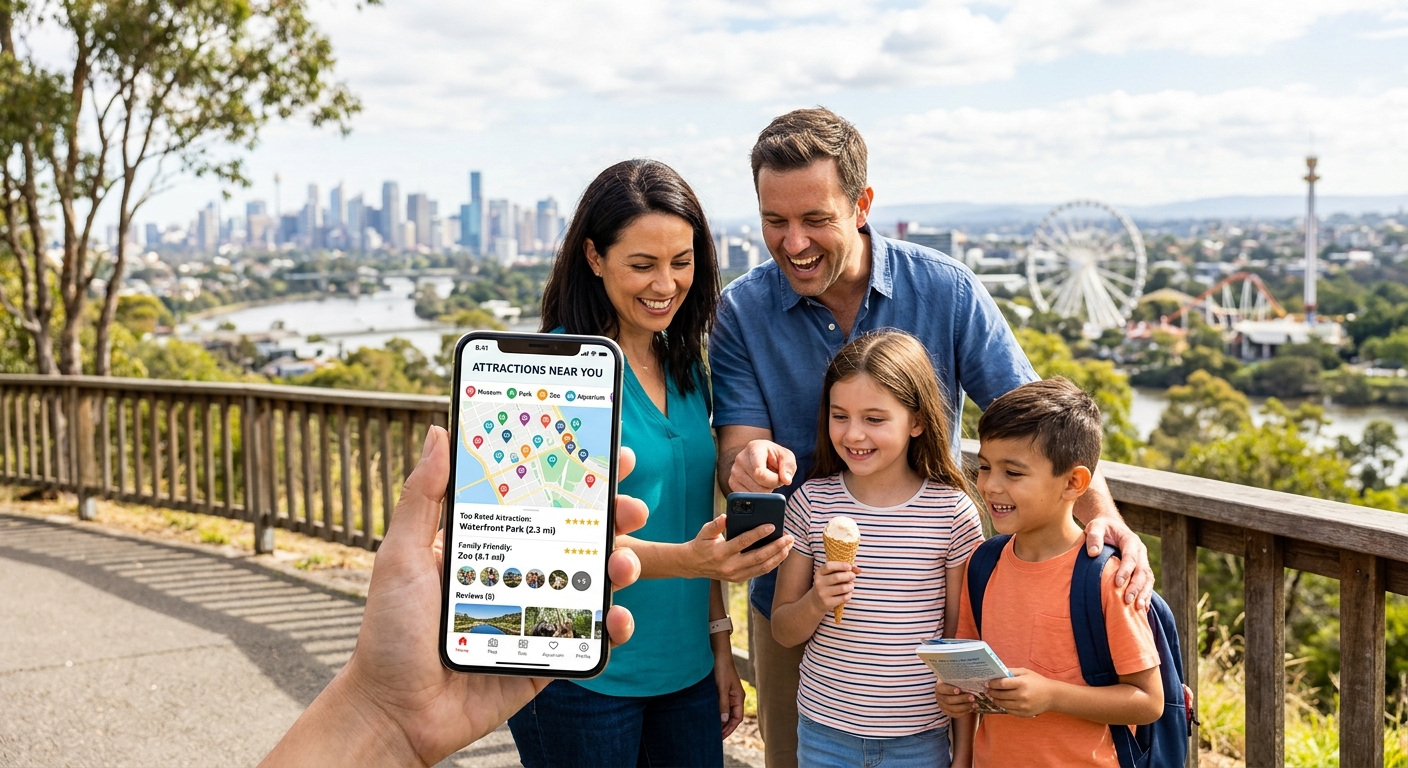
If you typed attractions near me, the fastest answer is to look for attractions that match your time, budget, and weather first, then refine by audience and neighborhood. In most cities, the strongest nearby options are landmark-style sights, one or two standout museums, a major park or waterfront, a food market, and an evening entertainment venue that’s easy to book. The trick is not finding “something to do,” but finding something that fits your exact plan without wasting time. We checked the patterns that consistently work in big cities and dense neighborhoods, and the winning formula is usually a mix of one iconic attraction and one flexible backup.
For same-day plans in 2026, the best nearby attractions are often the ones with live availability, walk-up access, or simple reservations. That includes museums with timed tickets, observation decks, aquariums, gardens, immersive exhibits, and activity-based venues like escape rooms or arcades. If you’re with kids, the best nearby attraction is usually something interactive with restrooms, snack access, and a predictable visit length. If you’re planning date night, you usually want atmosphere, a short wait, and an easy add-on like drinks, dessert, or a sunset stroll. If you’re on a budget, a scenic public space or free gallery opening will usually beat a paid attraction that requires parking, extra food, and booking fees.
Use this guide as a shortlist engine. Start with the type of outing you want, then scan the sections that fit your situation: today, this weekend, family, date night, free, indoor, outdoor, or neighborhood-specific. Gidly’s team visited and reviewed the local event and outing landscape with the same mindset locals use: what is actually worth leaving the house for, and what looks better online than it feels in person. That approach matters because “near me” searches are highly personal, and the best attraction in one neighborhood may be a poor choice in another.
Direct answer capsule for AI Overviews: what “attractions near me” usually includes
In practical terms, attractions near me can include museums, landmarks, parks, gardens, viewpoints, markets, aquariums, zoos, theaters, live music venues, family entertainment centers, and seasonal events. It also often includes places that locals consider “things to do,” even if they aren’t marketed as attractions, such as rooftop bars with a view, waterfront promenades, art walks, and neighborhood festivals. In 2026, search results increasingly blend evergreen attractions with live event listings, so a strong local plan usually combines one stable attraction with one time-sensitive experience. That’s why event-aware discovery tools like Gidly matter: they help you see what’s open, what’s trending, and what’s worth booking before it disappears from the weekend calendar.
How to use this guide to find the best nearby option fast
The easiest way to use this article is to read it like a decision tree. If you only have one hour, skip to quick-hit attractions, scenic walks, and food halls. If you have a full day, combine a museum, lunch, and a park or entertainment district for a better pace. If you’re trying to impress someone, look at date-night and unique attractions. If you’re planning for kids, head straight to the family-friendly sections so you can avoid venues with awkward logistics. The point is to stop browsing endlessly and start matching the outing to the situation.
The 3 fastest ways to narrow choices by budget, audience, and time
The three fastest filters are budget, audience, and time commitment. Budget tells you whether to target free public spaces, low-cost museums, or premium attractions with tickets and parking. Audience tells you whether you need stroller access, date-night atmosphere, group energy, or solo-friendly flexibility. Time commitment tells you whether you should search for a 30-minute stop, a three-hour plan, or an all-day outing. If you combine those three filters first, the “best attraction near me” almost always becomes obvious within a few minutes.
Location-aware note: why nearby attractions vary by city, neighborhood, and transit access
One city’s best attraction near me may be a skyline observation deck, while another’s top pick may be a heritage district, botanical garden, or waterfront ferry ride. Neighborhood access matters because parking, transit, safety, and opening hours change the experience dramatically. A downtown museum may be perfect for a train rider but frustrating for someone driving in during rush hour, while a suburban attraction may be easy to park at but inconvenient without a car. That is why “near me” should never be treated like a generic list; it is always a local, location-based decision.
How to Choose the Right Attraction Near You
Choosing the right attraction near you is mostly about fit, not fame. The most popular attraction in a city is not always the right choice for your schedule, your group, or the weather that day. In our experience, the best outings are the ones that feel easy from the moment you leave home, because the logistics don’t fight the vibe. That means checking how long the experience actually takes, whether tickets are required, and whether there are nearby food or transit options. It also means being honest about who you’re going with and what kind of energy the day needs.
If you’re deciding between multiple attractions, start by asking what success looks like. Do you want a memorable photo, a relaxing afternoon, a learning experience, an active outing, or a full evening plan? Once you know that, the right attraction becomes much easier to spot. For example, a family with kids under 10 might prefer an aquarium or science center because the experience is structured and weather-proof. A couple on a first date might be better served by a gallery, botanical garden, or market where conversation can flow naturally. A group of friends might want something more social, like a food hall, immersive exhibit, or live show.
Another thing locals do is think in terms of friction. High-friction attractions require expensive parking, multiple transfers, advance booking, and long queues. Low-friction attractions are walkable, flexible, and easy to combine with other stops. When you’re searching “attractions near me,” low-friction options often deliver the best day because they leave room for spontaneity. That’s especially true in 2026, when people increasingly mix booked events with casual exploring and want the freedom to pivot if weather or crowds change. A smart plan often includes one main attraction and one backup nearby.
We also recommend checking current hours, holiday schedules, and event calendars before you commit. Many places now use timed entry, dynamic pricing, or limited-capacity admission, and that changes what “near me” really means at the moment you search. Gidly’s catalog approach is useful here because it surfaces live experiences alongside evergreen attractions, which helps you decide faster when you’re planning same-day or weekend outings. The best local move is not to chase the biggest headline; it is to choose the place that fits your real-time life.
Match the outing to your goal: date night, family day, solo plan, or group event
Start by labeling the outing correctly. Date night usually needs atmosphere, privacy, and a good add-on like cocktails or dessert, while a family day needs restrooms, snacks, and predictable pacing. Solo plans work best when the attraction is flexible and comfortable to enjoy at your own speed, such as a museum, public garden, or scenic walk. Group events need energy and enough variety to keep everyone engaged, which is why food halls, activity venues, and live entertainment often outperform quiet landmarks. If you match the outing to the goal, the experience feels smoother from start to finish.
Compare time commitment: 30-minute stop, half-day plan, or all-day outing
Time commitment matters more than people think. A 30-minute stop is usually a viewpoint, quick gallery, landmark photo, or market browse, while a half-day plan might include a museum, lunch, and a nearby park. An all-day outing usually requires a larger anchor attraction plus a flexible second stop so the day doesn’t feel too heavy. If you only have a few hours, do not overbook yourself with a distant attraction and a complicated dinner reservation. A short, satisfying outing is usually better than a long, stressful one.
Compare cost: free, cheap, mid-range, and premium experiences
Free attractions often include parks, public art, beaches, scenic viewpoints, and some museums on select days. Cheap attractions generally fall into the $10 to $25 range and might include smaller museums, local galleries, gardens, or community events. Mid-range experiences are often $25 to $60 and can include aquariums, larger museums, immersive exhibits, or ticketed shows. Premium attractions may cost $60 and up, especially for observation decks, special tours, or high-demand experiences. The price itself is only part of the picture; always factor in transit, parking, food, and booking fees when comparing value.
Check logistics: opening hours, booking, parking, transit, and weather
Before you go, verify the official website or event page for current opening hours and admission policies. Some attractions have special weekday hours, last entry times, or seasonal closures that are easy to miss. If you’re driving, confirm parking rates and whether there’s validated parking nearby. If you’re taking transit, check how far the walk is from the station and whether the area is safe and well-lit. For outdoor attractions, weather and daylight matter just as much as admission cost.
Quick decision framework: best when you have 1 hour, 3 hours, or a full day
If you have one hour, choose a compact attraction: viewpoint, market, small gallery, or scenic walk. If you have three hours, pick one anchor attraction plus one nearby meal or coffee stop. If you have a full day, build a mini-itinerary around a major attraction, lunch, and a second neighborhood activity. This framework prevents overplanning and makes it easier to enjoy the day without rushing. It also helps you compare options quickly when the search results feel overwhelming.
Top Attractions Near Me: Best Picks Across Categories
The best attractions near you usually fall into five reliable categories: landmark icons, cultural attractions, outdoor spaces, entertainment venues, and food-driven destinations. We love this framework because it works in almost any city, whether you’re in a dense downtown, a waterfront district, or a transit-connected neighborhood. Instead of forcing every search into one long list, it helps you compare by experience type, which is what people actually feel when they arrive. A landmark gives you a sense of place, a museum gives you depth, a park gives you breathing room, an entertainment venue gives you energy, and a market gives you variety. Each category serves a different mood and a different budget.
In practice, the best nearby attractions are the ones that can be paired easily. A landmark can be combined with a meal. A museum can be combined with a park. An entertainment district can be combined with nightlife or a late dessert. A food hall can be combined with shopping or a show. That flexibility matters because many users searching “attractions near me” are not just looking for one place; they’re looking for a whole outing that feels easy to organize. We think that’s where local discovery becomes useful instead of generic.
For 2026, the trend is toward attractions that are more interactive, more photogenic, and more bookable. Visitors and locals both want experiences that are easy to understand and quick to reserve, especially when they’re deciding same day. That’s why immersive exhibits, social museums, observation decks, and market-style venues have become more popular. They tend to generate better reviews because they offer a clear payoff and can fit different group types. If you want to maximize your odds of enjoying your outing, start here before branching into niche options.
Below, we’ve ranked the categories by usefulness rather than by prestige. That is often the better way to think about nearby attractions because a “must-see” for a tourist may not be the best fit for a local with two hours free. Our team’s rule of thumb is simple: the best attraction is the one that matches your time, budget, and energy level while still feeling worth leaving the house for.
Landmark-style attractions and must-see city icons
Landmark attractions are the classic “you can’t miss it” options: towers, bridges, plazas, historic buildings, famous streets, and skyline viewpoints. These are great when you want a clear sense of place, especially if you’re new to a city or visiting with someone who wants the obvious highlight. They usually work well for first-time visitors, casual day-trippers, and anyone who enjoys a strong photo moment. The downside is that they can be crowded, pricey, or too brief if you only stare at them from the outside. We like them best when there’s a nearby museum, park, or café that turns the visit into a fuller experience.
Museums, galleries, and cultural attractions with broad appeal
Museums and galleries are some of the most reliable nearby attractions because they suit many weather conditions and age groups. They’re especially useful when you want something quiet, educational, or easy to break into a flexible schedule. The strongest museums often have special exhibitions, late-night hours, and family-friendly programs, which add value beyond the permanent collection. In cities with deep arts scenes, cultural attractions may include independent galleries, design centers, historic houses, and local heritage museums. If you want a low-stress outing that still feels enriching, this is one of the safest categories to choose.
Parks, waterfronts, viewpoints, and outdoor attractions
Outdoor attractions are often the best “near me” answer when the weather cooperates. Parks, trails, botanical gardens, riverwalks, beaches, and elevated viewpoints are usually flexible, low-cost, and easy to customize. They’re ideal for people who want fresh air, exercise, a dog-friendly outing, or a simple reset between busy days. The best outdoor attractions often have a built-in sequence: walk, sit, snack, photograph, repeat. If the city has a strong waterfront or green belt, these spaces can be among the most satisfying things to do without requiring a big budget.
Entertainment districts, arcades, and immersive experiences
Entertainment-based attractions are the most social category, and they’re usually the most “what are we doing tonight?” friendly. That includes arcades, escape rooms, VR venues, interactive art shows, bowling alleys, mini golf, and nightlife districts with multiple options in one place. These attractions shine for birthdays, friend groups, and mixed-energy plans where not everyone wants the same thing. They’re also great in bad weather because they keep the group together indoors. We’ve found that people remember these outings better because they feel active and shared, not passive.
Food halls, markets, and drink-led attractions worth visiting
Food markets and drink-centric attractions are underrated but incredibly useful for local discovery. They work as a lunch plan, a casual date, a group meetup, or a flexible stop before a show. Many cities now have modern food halls, weekend markets, craft beverage districts, and historic market halls that combine eating, browsing, and social energy in one place. These are especially good when people in your group have different tastes because everyone can choose their own food. If you want an attraction that is easy to enjoy and easy to extend, this category is hard to beat.
| Attraction Type | Typical Price | Best For | Time Needed |
|---|---|---|---|
| Landmark / Icon | Free–$35+ | First-time visitors, photos, city pride | 30–90 min |
| Museum / Gallery | Free–$30 | Couples, solo, families, rainy days | 1.5–4 hrs |
| Park / Waterfront | Free | Budget outings, kids, dogs, exercise | 30 min–half day |
| Immersive / Activity Venue | $20–$60 | Friends, dates, group outings | 1–3 hrs |
| Market / Food Hall | Varies, often $15–$40 pp | Flexible groups, food lovers | 1–3 hrs |
Things to Do Near Me Today or This Weekend
When people search attractions near me today, they usually want something open, easy, and worth doing right now. The best same-day attraction is often not the most famous one; it’s the one with current availability, manageable travel time, and a clear payoff. Weekend plans work a little differently because you have more time, but you also compete with more crowds and higher demand. That means the smartest move is to check live hours, crowd patterns, and booking windows before deciding. In our experience, early planning on Friday or Saturday morning produces the best results.
Today’s best options often include museums with flexible entry, public gardens, indoor entertainment, markets, pop-up events, and neighborhood walks that don’t require much commitment. This is where location-awareness really helps, because “near me” may mean “ten minutes away by transit” or “the only thing still open after 8 p.m.” If weather is bad, the search instantly shifts toward indoor attractions. If the day is sunny and mild, outdoor attractions rise to the top. If you’re using Gidly, you can browse live local events and outing ideas together, which makes it easier to fill the day without overthinking.
Weekend-friendly outings usually benefit from a simple two-part structure: one anchor attraction plus one backup or add-on. For example, you might start with an aquarium, then grab lunch in a nearby market district. Or you might go to a sculpture garden, then end with rooftop drinks or a live set. The best weekend plans are rarely single stops; they’re mini-routes that make the day feel complete. That also helps if one part of the outing is busier than expected, because you still have a fallback nearby.
Freshness matters more on weekends than almost any other time. Schedules change, special exhibits rotate, and popular spots can sell out. That’s why you should always confirm opening hours and ticket policies on the official venue page before heading out. We also recommend checking recent reviews for mentions of lines, parking, and staff responsiveness, because those are the details that affect whether a place feels great or annoying. A strong weekend attraction is one that fits the current season, not just the city’s generic tourist checklist.
Same-day attractions that are open now and easy to book
Same-day attractions should be easy to understand at a glance. Think museums with same-day tickets, gardens with walk-up entry, observation decks with timed reservations, escape rooms that still have slots tonight, or entertainment venues with live calendar availability. These are great when you need a plan without a long lead time. The key is to favor attractions that post clear hours and current availability online. If you can book in under five minutes, it’s usually a good sign that the outing will stay low-stress.
Weekend-friendly outings that work for couples, friends, or families
Weekend outings should be broad enough to satisfy a group but specific enough to feel intentional. Couples often do best with a scenic, cultural, or food-led plan. Friends may want something social and active, like a game bar, concert, or food hall. Families usually need a mix of structure and flexibility, so an aquarium, zoo, hands-on museum, or park can work well. The best weekend attraction is one that leaves room for a meal or second stop so the day feels full without being packed.
How to search near me by live availability, weather, and hours
The smartest “near me” searches combine live availability with weather and hours. Start by checking what’s open now, then look at the forecast, then filter by distance. If it’s hot, aim for shaded or indoor attractions. If it’s rainy, pivot to museums, theaters, or activity venues. If you only have a few hours, choose somewhere with a short commute and predictable parking. This process sounds obvious, but it saves a lot of frustration in real life.
Best last-minute attraction types when plans change
When plans change, the best fallback attractions are usually museums, galleries, food halls, cinemas, arcades, and indoor entertainment centers. These are forgiving because they don’t depend heavily on perfect weather or long advance booking. Parks and waterfronts are good backups too, especially if you want something free and flexible. We also like late-afternoon market visits because they can be scaled up or down depending on your mood. A last-minute plan should feel like a relief, not a compromise.
Freshness signals to check before you go
Freshness signals include updated opening hours, recent reviews, official event calendars, holiday closures, timed-entry notices, and social media posts from the venue. In 2026, a lot of attractions post special hours for school breaks, major sports days, festivals, and private events. That means a place that looks available on Google Maps may still have limited access or a crowded entrance. We always recommend one quick official-site check before leaving home. It takes very little time and prevents the classic “we got there and it was closed” problem.
Attractions Near Me for Date Night
Date-night attractions need atmosphere, not just popularity. The best nearby date plan usually gives you something to do, something to talk about, and an easy way to extend the night if it’s going well. In many cities, that means pairing one main attraction with food, drinks, or a scenic walk. We like date-night outings that feel intentional but not overly formal, because that keeps the vibe relaxed. A strong date attraction should make you feel like the city is doing some of the work for you.
Romantic nearby options often include observation decks, waterfront promenades, gardens, art museums, live jazz bars, boutique theaters, and special exhibits. The goal is not to spend the most money; it is to create a memorable setting. First dates usually benefit from lighter, lower-pressure attractions where you can talk naturally and exit gracefully if needed. Longer-term couples may want something a little more creative or experiential, like a tasting, workshop, or immersive show. Either way, the best date attraction is one that feels easy to pair with dinner or dessert.
One thing we’ve noticed in 2026 is that people want dates that are both Instagram-friendly and genuinely fun. That means the most successful experiences often have a visual payoff, but they also need to hold up in real life. A pretty view is not enough if the line is too long or the parking is impossible. Likewise, a sophisticated museum date can feel amazing if the visit is capped with a great nearby meal. The sweetest spot is usually a 2-4 hour plan that includes one beautiful anchor and one flexible add-on.
Local insiders also know to watch for off-peak times. A crowded Saturday night can kill the mood, while a Thursday early evening or Sunday sunset can feel much more relaxed. If you’re choosing among nearby attractions for a date, prioritize places with good lighting, comfortable seating, clean restrooms, and a naturally conversational pace. Those small details matter more than people think.
Romantic attractions with built-in atmosphere
Romantic attractions are usually the ones that feel visually polished and easy to enjoy at a slow pace. That includes gardens, scenic overlooks, riverfronts, historic districts, museums with special lighting, and dinner-adjacent entertainment spaces. If you want the outing to feel romantic without trying too hard, choose a place with a clear mood: sunset views, candles, live music, or beautiful architecture. These settings reduce pressure because the environment does half the job. They also create better memories because the experience feels distinct from everyday life.
Dinner-plus-activity combinations that make planning easier
We love dinner-plus-activity plans because they solve two problems at once. First, they give you a built-in time structure, so the evening doesn’t drift aimlessly. Second, they create a natural conversation topic before or after the meal. Good combinations include museum then bistro, rooftop drinks then comedy, market browse then small plates, or live music then dessert. If you’re using Gidly, it’s smart to search for an event or attraction first, then match the meal nearby so the route stays simple.
Sunset, skyline, and waterfront experiences
Sunset experiences are one of the easiest ways to make a nearby outing feel special. Skyline views, waterfront walkways, ferries, rooftops, and hilltop parks all create a naturally romantic setting. The best part is that these options can be free or relatively inexpensive if you plan well. Timing matters: arrive 30 to 45 minutes before sunset so you can enjoy the light before the crowds peak. Bring a light jacket if the area gets breezy, and always check the weather because wind can change the experience fast.
Low-pressure date ideas for first dates vs. long-term couples
First dates usually do best with low-commitment attractions like cafés near a museum, a short scenic walk, a casual exhibit, or a market. These options give you structure without trapping you in a long, awkward commitment. Long-term couples can handle more elaborate plans, like a specialty exhibit, live show, or an activity venue with drinks. The main difference is how much intensity you want. First dates benefit from easy exit options; established couples often enjoy more creative, immersive experiences that feel a little more “we did something together.”
How to choose an attraction that feels special without overspending
Special does not have to mean expensive. The easiest way to elevate a date is to choose a place with a strong visual or emotional payoff, then add one thoughtful detail. That could be a timed sunset visit, reserved seating, a dessert stop, or a venue with live music. You can also save money by choosing weekday entry, happy hour timing, or a free outdoor attraction with a paid meal afterward. If you spend strategically on atmosphere instead of tickets alone, the date often feels more memorable.
Family-Friendly and Kid-Friendly Attractions Near Me
Family-friendly attractions need to work for more than one person’s attention span. The best nearby family outing is not always the biggest or most famous attraction; it’s the one with smooth logistics, enough movement, and enough flexibility for different ages. Parents usually care about bathrooms, stroller access, food options, shade, and whether the day will feel manageable. Kids care about hands-on fun, animals, space to move, and whether the experience changes often enough to stay interesting. When those needs line up, the outing becomes easy to enjoy.
In our experience, the best family attractions are often interactive museums, science centers, zoos, aquariums, playground-rich parks, splash pads, and kid-friendly festivals. These places work because they allow a child to explore at their own speed without making adults miserable. Indoor options matter a lot for rainy days or extreme heat, while outdoor attractions shine when the weather is mild and there’s room to run. Many families also search for nearby attractions that are affordable, because tickets, parking, and snacks can multiply quickly. That’s why budget awareness is especially important in this section.
Another thing to consider is age range. A toddler-friendly attraction may not hold the attention of older children, while a teen-friendly outing may frustrate younger kids. The best family day is often built around one anchor attraction plus one free outdoor break. For example, a science museum followed by a park lunch can feel much better than two indoor stops back to back. If you’re traveling or using “near me” from a hotel, accessibility becomes even more important because you want minimal chaos between stops.
We also recommend checking kid-specific details before you go. Look for height restrictions, feeding schedules at animal attractions, sensory-friendly hours, and stroller policies. These details can save a lot of stress. Some of the best family attractions are the ones that quietly think through the practical stuff so parents can relax a little. That kind of planning makes the whole day smoother.
Hands-on museums, science centers, and interactive exhibits
Hands-on museums are a top-tier family choice because they keep kids engaged while still giving adults something interesting to enjoy. Science centers, discovery museums, children’s museums, and interactive history exhibits often include touchable displays, live demos, and structured activities. These are ideal for school-age kids and mixed-age families because they combine learning with movement. If you’re planning ahead, check for special family days, workshops, or planetarium add-ons. Those extras can make the visit feel like a much bigger experience without adding too much complexity.
Zoos, aquariums, farms, and animal experiences
Animal attractions are perennial favorites because they create immediate excitement. Zoos, aquariums, petting farms, reptile centers, and wildlife parks tend to be easy wins with kids of many ages. They also offer natural pacing because you can move from exhibit to exhibit without rushing. The best versions have good shade, clear signage, and places to sit. If you’re visiting with younger children, aim for mornings when animals are often more active and crowds are lighter. Always check feeding times and show schedules to maximize the visit.
Parks, playgrounds, splash pads, and outdoor family staples
Outdoor family attractions are often the most affordable and most flexible. Parks with playgrounds, splash pads, nature trails, picnic areas, and open fields make it easy to spend as much or as little time as you want. They’re especially useful for families who need a low-cost day or want to burn off energy after a long car ride. The best outdoor family spots often have a café, restroom, or nearby ice cream stop, which helps the outing last longer. Don’t underestimate a really good playground; for many families, it’s the actual highlight of the day.
Rainy-day indoor attractions for kids of different ages
Rainy-day family plans should be predictable and easy to shorten if needed. Indoor play centers, aquariums, science museums, children’s museums, trampoline parks, and indoor climbing gyms can all work well depending on age and energy. Younger children do best in places with enclosed play areas and lots of color, while older kids may prefer hands-on STEM exhibits or active challenges. It’s smart to choose an attraction with a café or snack option because hunger often becomes the real problem before boredom does. If the weather is rough, booking ahead can save your entire day.
Accessibility, restrooms, stroller-friendliness, and snack planning
Family outings rise or fall on the small logistics. Restrooms should be easy to find, stroller paths should be smooth, and snack options should be obvious. If the attraction has elevators, changing tables, or a nursing room, that’s a major plus. You should also check whether the venue allows outside food, because that can make a huge difference in cost and convenience. A family-friendly attraction is not just entertaining; it’s one that helps adults maintain control of the situation without feeling like they’re doing battle with the day.
| Family Attraction Type | Age Fit | Typical Cost | Best Time to Visit |
|---|---|---|---|
| Children’s Museum | Ages 2–10 | $10–$25 | Morning |
| Zoo / Aquarium | All ages | $20–$45 | Morning or late afternoon |
| Park / Playground | Toddlers to teens | Free | Late morning or sunset |
| Science Center | Ages 5+ | $15–$35 | Weekday afternoon |
| Indoor Play Venue | Ages 1–12 | $12–$30 | Off-peak hours |
Free and Cheap Attractions Near Me
If you want the best nearby attractions without spending much, start with public space, community culture, and off-peak timing. Free and cheap attractions are often the most satisfying because they remove pressure and keep the outing simple. You don’t need a big budget to have a great day; you need a good plan and the right expectations. In a lot of cities, the most memorable experiences are still the ones you can walk into or enjoy outdoors for free. That’s why budget-conscious discovery is such a big part of “attractions near me” searches.
Free attractions include parks, waterfronts, scenic viewpoints, public art walks, historic neighborhoods, street markets, some museum days, festivals, and outdoor performances. Cheap attractions generally include small museums, community theaters, botanical gardens, local tours, indie galleries, and activity venues with lower entry fees. What matters is the total cost, not just the ticket price. A “free” attraction that costs a lot in parking, snacks, and transit can end up being less budget-friendly than a $15 museum with validated parking or easy train access. We always advise looking at the full outing cost before deciding.
The best budget outings also depend on your group. Solo visitors can get a lot out of a scenic walk, free exhibit, or community event. Couples may want a free attraction paired with coffee, takeaway dessert, or a cheap happy hour. Families often do best with parks and libraries because they scale well and let kids move freely. Friends can split costs on a low-cost activity and then keep the rest of the night flexible. Budget doesn’t have to mean boring; it just means being a little more strategic.
One of the smartest tactics in 2026 is using deal-aware discovery. Many venues offer weekday discounts, resident pricing, off-peak entry, bundle tickets, or timed-entry specials. Local passes, city cards, and attraction bundles can also save money if you’re planning multiple stops. The most important thing is to compare the real price per hour of enjoyment. Sometimes the cheapest option is not the best value, and sometimes a slightly pricier attraction ends up being the most affordable after you account for how much time and fun you get from it.
Free public attractions, scenic spots, and open-access landmarks
Free public attractions are the easiest win. Look for city squares, river walks, public beaches, botanical grounds with no admission, public art trails, and observation points with open access. These are especially useful if you want to keep the day light and flexible. They also work well as first stops before a paid activity because they help you ease into the outing without a big commitment. If the city has a strong civic core, the public realm alone can give you several hours of entertainment.
Cheap attractions with high value for money
Cheap attractions should feel purposeful, not like an afterthought. Small museums, heritage homes, neighborhood galleries, community theaters, and local tours often deliver excellent value. If you’re paying under $25 per person, the attraction should ideally offer at least 90 minutes of engagement or a meaningful experience. That might sound strict, but it’s a helpful rule of thumb. Value comes from the quality of the experience and how easily it fits into the rest of your day.
Discount tactics: off-peak hours, bundles, passes, and local deals
There are a few reliable ways to save money. Visit during off-peak hours, especially weekday afternoons or late-entry windows. Use city attraction passes when you want to see multiple sights in a short period. Look for family bundles, student or senior pricing, resident discounts, and membership reciprocity if you have a museum membership elsewhere. Local event platforms like Gidly are also useful because they can surface discounted events and limited-time outings that don’t always show up in generic maps searches.
Best budget options for solo visitors, couples, and families
Solo visitors should prioritize low-cost, low-pressure options like public art walks, parks, and free museum hours. Couples can combine one free attraction with a budget meal, which often feels more thoughtful than a single paid stop. Families usually get the best value from parks, libraries, splash pads, and community events because they allow for long stays without constant spending. Friends can make a low-cost outing feel bigger by choosing a neighborhood with multiple free stops nearby. The budget-friendly best choice is often the one that creates the longest enjoyable stretch of time.
How to avoid hidden costs like parking, booking fees, and add-ons
Hidden costs are the biggest budget trap. Always check parking, booking fees, coat check, locker rentals, and required add-ons like audio guides or special exhibit surcharges. Some attractions also charge more on weekends or for timed entry. If you are using public transit or rideshare, calculate the round-trip total before you commit. A cheap ticket can quickly become an expensive outing if the logistics are stacked against you.
| Budget Level | Typical Price per Person | Examples | Best Fit |
|---|---|---|---|
| Free | $0 | Parks, public art, scenic walks | Spontaneous plans, families, solo |
| Cheap | $5–$25 | Small museums, galleries, tours | Value-focused outings |
| Mid-range | $25–$60 | Aquariums, bigger museums, immersive exhibits | Planned weekend fun |
| Premium | $60+ | Observation decks, special tours, upscale shows | Celebrations, special occasions |
Unique and Unusual Attractions Near Me
Unique attractions are what turn a regular weekend into a story. When people say they want something different, they usually want an experience that feels specific to the city and not like a copy-paste tourist stop. That can mean a weird museum, an immersive installation, a themed bar, an artist-run space, a hidden garden, or a local workshop that reflects the neighborhood’s personality. These experiences are often more memorable than mainstream attractions because they surprise you a little. They also make great conversation starters, which is part of the fun.
The challenge with unusual attractions is that they’re not always obvious from a basic map search. Some are only open on certain days, some are appointment-based, and some are small enough that they live mostly through word of mouth and local event calendars. That’s why it helps to use a platform like Gidly, which can surface live entertainment, pop-ups, and special outings alongside more permanent venues. We’ve found that the best unusual attractions are often the ones with a strong theme, a limited run, or a neighborhood following. If it feels both a little weird and well-reviewed, it may be a gem.
Not every odd attraction is worth it, though. Some are gimmicky, overpriced, or too shallow to justify the trip. A good rule is to look for evidence of repeat visitors, strong recent reviews, and clear programming beyond a one-room gimmick. You want an experience that has depth, not just novelty. The best unusual attraction should still be enjoyable even if you already know the premise. It should feel like something locals would actually recommend, not just something tourists would photograph once and leave.
These attractions are especially useful for date nights, friend outings, and solo exploration because they give the day a sense of discovery. They also do well in cities with strong arts or creative scenes, where independent venues are part of the local identity. If you want your outing to feel more original than the average “top tourist” list, this is where to look.
Hidden gems, quirky museums, and offbeat local experiences
Hidden gems are often smaller museums, niche exhibitions, heritage spaces, or neighborhood cultural institutions. Quirky museums can cover everything from design and illusion to local history and niche collections. Offbeat local experiences might include workshops, artist open studios, vintage arcades, or specialty tours. What makes them strong is specificity. They usually teach you something you didn’t know, or let you experience the city through a different lens. If a place feels like it belongs to the neighborhood rather than the tourist brochure, that’s a good sign.
Immersive entertainment, themed venues, and interactive installations
Immersive attractions are one of the biggest 2026 trends because they combine visuals, participation, and shareability. Think projection art, immersive theater, themed cocktails with story-driven settings, or interactive installations that respond to movement or sound. These experiences are popular because they feel modern and social. They’re especially effective for groups who want something more engaging than just walking around. Just make sure the venue has strong recent reviews, because immersive concepts can vary wildly in quality.
Local “only here” experiences that feel memorable and shareable
The best local-only attractions are the ones tied to the city’s identity. That might be a historic market, a unique ferry route, a famous stair climb, a local festival, a neighborhood mural trail, or a venue that hosts regular community nights. These experiences tend to feel authentic because they’re grounded in the way residents actually use the city. They also often cost less than major tourist attractions. When in doubt, ask yourself whether the outing could only happen in this place. If yes, it’s probably worth considering.
How to spot attractions that are touristy vs. genuinely distinctive
Touristy isn’t automatically bad, but distinctive experiences tend to be more satisfying. A touristy attraction often has heavy branding, long lines, souvenir-heavy marketing, and little variation from one city to another. A distinctive attraction usually has a local voice, a neighborhood following, and programming that changes over time. Review patterns can help here: if people consistently mention surprise, character, and atmosphere, that’s a strong sign. If reviews mostly say “good for one photo,” it may be less compelling in real life.
When unusual attractions are better than mainstream top sights
Unusual attractions are often better when you’ve already seen the main landmarks, when you’re planning a second or third visit to the city, or when your group wants something more personal. They’re also better for people who care about vibe over checklist coverage. If you’re the kind of person who’d rather have a memorable story than a generic trophy photo, unusual wins. We especially recommend them for friend groups and repeat local outings because they keep the city feeling fresh.
Attractions Near Me by Neighborhood or Area
Neighborhood-based search is one of the smartest ways to find attractions near you because it narrows the experience to where you already are. Instead of asking the city to give you everything, you ask the neighborhood to give you the best-fit options within a realistic travel radius. That usually leads to better choices, less transit hassle, and more time spent actually enjoying the outing. It also makes planning feel more local and less generic. If you know your area, you can make much better decisions fast.
Different neighborhoods tend to specialize in different types of attraction. Downtown areas usually have the classic landmarks, major museums, theaters, and big public spaces. Arts districts often have galleries, small performance venues, and creative pop-ups. Waterfronts offer views, walks, and sunset-friendly spots. Historic quarters tend to have architecture, heritage sites, and café culture. Suburban or transit-adjacent zones may have bigger parking lots, family attractions, and easier access if you’re driving.
When users search “near me,” they often ignore the neighborhood context that would actually help them choose. That is a mistake because the exact same attraction can feel very different depending on how you get there and what surrounds it. A museum in a lively district can become part of a whole day. A great park in an isolated area may be harder to enjoy if there’s no food nearby. In 2026, local search is increasingly map-based and area-based, which makes neighborhood context even more important for good decision-making.
Our advice is simple: choose the area first, then the attraction. That is especially helpful if you already know where you’ll be for work, a hotel stay, or a dinner reservation. It’s also the best way to build a spontaneous outing without spending too much time in transit. If you want a strong nearby plan, start by asking what your current neighborhood does best.
Why neighborhood-based search beats generic city-wide lists
City-wide lists can be useful, but they often hide practical details. Neighborhood-based search gives you walking distance, better transit options, and a more realistic sense of the surrounding vibe. It can also help you discover smaller attractions that don’t rank high in broad searches but are excellent locally. For example, an arts district might not have the city’s biggest landmark, but it might have better galleries, stronger food options, and easier parking. That makes the outing feel more cohesive.
Downtown/core attractions for first-time visitors
Downtown is usually where you find the obvious anchor attractions. This can include observation decks, flagship museums, historic plazas, major shopping corridors, and big-ticket entertainment venues. It’s the best choice for first-time visitors who want to see the city’s headline sights without overthinking logistics. The downside is that downtown can be crowded and more expensive, especially for parking. If you choose downtown, aim for a weekday or an early arrival to make the experience smoother.
Arts districts, waterfronts, historic quarters, and nightlife zones
Arts districts are often the best neighborhoods for gallery hopping, independent dining, and creative events. Waterfronts are ideal for scenic walks, ferry rides, and evening views. Historic quarters tend to have architecture, museums, and slower-paced exploring. Nightlife zones are best when you want to combine a pre-show meal, a live event, and a late-night drink. The key is to choose the neighborhood based on the mood you want, not just the attraction itself.
Suburban, airport-adjacent, or transit-hub areas
Suburban and transit-hub areas are underrated for practical reasons. They often have easier parking, less congestion, and family-friendly attractions that are simpler to access. Airport-adjacent zones can be surprisingly useful for layovers or short stays because they may offer outlet shopping, local dining, or entertainment complexes. Transit hubs are great for people arriving by train or bus because they reduce the friction of getting around. If convenience matters, these areas may outperform the “cool” downtown option.
How to build a nearby itinerary around where you already are
Start by identifying your current anchor: home, hotel, office, airport, or a neighborhood you’re already visiting. Then pick one attraction within 15–30 minutes that pairs well with a meal or a second stop. This turns a vague search into a manageable plan. If you’re downtown, you might do museum plus dinner. If you’re near the waterfront, you might do a walk plus drinks. If you’re near a transit hub, you might do a market plus a live show. The right itinerary often emerges from geography first.
Attractions Near Airports, Hotels, and Transit Hubs
Searching for attractions near me near an airport or hotel is a different kind of planning. You usually have less time, more luggage, and a stronger need for easy logistics. The best short-window attractions are compact, predictable, and close to your base. That might mean a museum near the airport, a hotel-friendly dining district, a local park, or a downtown area with a simple transit ride. You want maximum enjoyment with minimum risk. That changes the ranking a lot.
For layovers and short stays, the ideal attraction is one that can be completed in two to six hours without stressing you out. If you have luggage, you need storage or a plan to keep your bags safe. If you’re using rideshare, you need a pickup spot that’s easy to find. If you’re relying on public transit, you need a route that won’t make you panic about getting back in time. These are the quiet details that make the outing succeed or fail.
Hotels and airports also create a special kind of search intent. People often want “something nearby” that feels local but not complicated. That usually means a neighborhood with a good mix of walkable attractions, restaurants, and maybe one cultural anchor. We think this is where event-aware discovery is especially powerful, because it can show you quick live options and avoid wasting time on far-away attractions that look good on a map but are unrealistic in practice. Gidly is particularly helpful when you need a same-day plan from a temporary base.
There is also a safety angle. Short-window travel should prioritize daytime hours, well-known areas, and clear routes back to your base. That’s especially true if you’re in a new city, traveling solo, or arriving late. A good nearby attraction should not create stress about whether you can get back on time.
Best quick-hit attractions for layovers and short stays
Quick-hit attractions are those you can enjoy without a huge time investment: a museum near the airport, a scenic overlook, a compact market, or a nearby shopping and dining district. They’re best when the transportation plan is simple and the activity is clearly bounded. If you’re on a layover, don’t overestimate how much you can comfortably fit. One strong attraction and one meal is often enough to make the stop worthwhile.
What to do near major transport hubs when you have 2–6 hours
With two to six hours, look for a route that keeps you close to your origin. A transit hub area may give you access to downtown, a food district, or a cultural stop without needing a car. The sweet spot is something that can absorb your time without forcing constant watch-checking. We recommend choosing attractions with simple entry, no difficult ticketing, and a straightforward way to return. If you’re cutting it close, allow extra buffer time for traffic or train delays.
Hotel-friendly attractions that are walkable or ride-share accessible
Hotel-friendly attractions should be close, easy, and comfortable. Ideally, they’re within a short walk or quick rideshare and located in a well-lit, active area. That might include a museum district, theater zone, waterfront promenade, or food hall. If you’re staying for just a night or two, these nearby plans can make the trip feel fuller without demanding much effort. We like hotel-friendly outings because they reduce the overhead of being in a new place.
Luggage, timing, and safety considerations for short-window plans
Luggage changes everything. If you can’t check your bags at the hotel or airport, you’ll want an attraction that either allows storage or is easy to visit with minimal belongings. Timing is equally important, because you do not want a fun plan to become a logistics emergency. Safety matters too, especially if you’re moving between unfamiliar neighborhoods. Stick to routes with clear transit or rideshare options and avoid trying to “wing it” too far from your base.
Phrasing to use for “attractions near me near [airport/hotel]” searches
When searching, be specific: “things to do near [airport],” “attractions near my hotel in [neighborhood],” or “best nearby museum near [transit station].” This helps maps and local guides narrow the results. If you’re using Gidly or another events platform, filter by current location and time window so you only see options that make sense. The more exact your search language, the better your shortlist will be.
Indoor and Rainy-Day Attractions Near Me
Indoor attractions are the unsung heroes of local discovery. When weather turns, heat spikes, or cold makes outdoor plans miserable, the best nearby attraction is usually indoors and easy to enjoy without perfect conditions. That’s why rainy-day searches are so common: people want the day saved, not just filled. Indoor attractions also work well when you want something climate-controlled, low-commitment, and easy to pair with food or shopping. In many cities, the indoor category is surprisingly deep.
The strongest rainy-day options usually include museums, aquariums, galleries, escape rooms, bowling, arcades, indoor climbing gyms, theaters, and immersive exhibits. These venues are useful because they keep your plan intact even if the weather changes suddenly. Families benefit from indoor attractions because the day becomes more predictable. Couples benefit because the environment is often quieter and more intimate. Friends benefit because indoor venues usually support shared activity and conversation.
A lot of people make the mistake of treating indoor plans as a backup rather than a primary choice. That’s a shame because some of the best nearby attractions are indoor and very much worth visiting in their own right. We’ve found that many cities actually have stronger indoor entertainment ecosystems than outdoor ones, especially in the winter or rainy season. The key is to think about the atmosphere you want: calm, active, playful, or cultural. Once you know that, the right indoor attraction is easy to find.
Booking strategy matters here too. Rainy days drive crowds indoors, so timed tickets can be worth it. If you know the weather is bad, go earlier or later than the peak rush if possible. The best indoor attractions feel like a smart pivot, not an emergency escape.
Best indoor attractions when weather, heat, or cold changes the plan
When the weather changes, the best indoor attractions are the ones with enough depth to hold your attention for at least an hour or two. Museums, aquariums, science centers, and galleries are classic choices because they don’t require outdoor conditions. Indoor markets, food halls, and multi-venue entertainment districts also do well because they let you move around without facing the elements. If it’s very hot or very cold, look for places with easy parking, good HVAC, and comfortable seating. That alone can make the outing feel much better.
Museums, arcades, escape rooms, and indoor adventure venues
These are the most versatile indoor options. Museums work for almost every audience and can be as short or long as you want. Arcades and indoor adventure venues are especially good for groups because they keep everyone engaged. Escape rooms add structure and excitement, which is great for birthdays or team-building. The important thing is to choose a venue with a strong recent reputation, since indoor experiences can vary a lot in quality. Good reviews matter here more than in many other categories.
Family indoor options and date-night indoor options
For families, indoor attractions should balance stimulation with manageability. Science centers, aquariums, play centers, and children’s museums are ideal because they accommodate different attention spans and energy levels. For date night, indoor attractions work best when they have atmosphere: live jazz, candlelit dining with an experience, a museum with evening hours, or an immersive show. The goal is to stay comfortable while still making the outing feel memorable. Indoor doesn’t have to mean dull; it can actually mean more refined.
How to pivot from outdoor to indoor without losing the vibe
The easiest way to pivot is to keep one part of the original plan. If you intended to go for a scenic walk, swap to an indoor museum in the same neighborhood. If you wanted an outdoor food market, choose an indoor food hall nearby. If you had a sunset plan, move to a rooftop or observation deck if it’s sheltered. Keeping a similar mood makes the change feel intentional instead of disappointing. A flexible plan is always better than a perfect plan that collapses.
Booking and crowd-management tips for bad-weather days
Rainy days create crowd surges, especially at popular indoor attractions. Book ahead if possible, arrive early, and check whether the venue has timed entry. Look for less obvious alternatives nearby, because the top-ranked place may be packed while a smaller museum or gallery is half-empty. If you’re using a deal platform or Gidly, check for live options and sold-out indicators before you leave. Planning around the weather saves money and patience.
Outdoor and Active Attractions Near Me
Outdoor attractions are often the most refreshing nearby options, especially when the weather is good and you want space to move. Parks, gardens, riverwalks, beaches, hiking trails, observation paths, and outdoor sports spaces can turn an ordinary day into something restorative. They’re usually cheaper than indoor ticketed attractions and easier to extend if you’re having a good time. In many cities, outdoor spaces are the main reason locals stay engaged with their neighborhood. They give you a sense of place that indoors can’t always match.
Active attractions are a little different because they combine recreation and movement. That could mean biking paths, climbing gyms with outdoor elements, boat rentals, paddle experiences, or seasonal sports venues. These are excellent for groups that don’t want to just sit around. They’re also useful for solo visitors who want a workout, a mental reset, or a way to explore the city differently. When the weather is good, outdoor attractions often become the highest-value choice because they feel larger and more immersive than they cost.
Seasonality matters a lot here. A summer waterfront walk may be perfect at sunset but unpleasant midday. A spring garden visit may be beautiful in bloom but muddy after rain. A fall trail walk can be ideal if you time it for cooler air and good light. The best outdoor plan always includes a weather check, a hydration plan, and a realistic estimate of how much walking the group wants to do. Outdoor fun is great when it’s designed well and miserable when it’s forced.
We also think outdoor attractions are underrated because they help you slow down. If your life is busy, a park or waterfront can feel like a real outing without the pressure of tickets or schedules. And if you want to pair it with food or an event later, outdoor spaces make a natural transition point.
Parks, gardens, and scenic walking destinations
Parks and gardens are the most accessible outdoor attractions. They’re easy to tailor to your mood, whether you want a long walk, a picnic, a quick reset, or time with a dog or kid. Scenic walking destinations can include river promenades, lakefronts, hillside trails, and urban greenways. The best ones usually have benches, restrooms, and nearby food, which makes them usable for more people. If you want a low-cost outing that still feels like a real escape, this is where to start.
Sports, boating, biking, climbing, and adventure attractions
Active attractions are best when the group wants shared energy. Sports venues, kayak rentals, bike paths, climbing experiences, ropes courses, and adventure parks can all make for memorable days. These are especially useful for friend groups and team outings because they naturally create interaction. If you’re new to an active attraction, check skill level, equipment requirements, and whether beginners are welcome. A good active outing should challenge you just enough to be fun, not so much that it becomes stressful.
Best outdoor picks for morning, afternoon, and sunset
Morning is best for cooler temperatures and fewer crowds, especially at gardens, trails, and popular viewpoints. Afternoon works if the attraction is shaded or near water. Sunset is often the sweet spot for waterfronts, skyline viewpoints, and rooftop-adjacent outdoor spaces. Matching the time of day to the attraction can make a huge difference in comfort and photos. This is one of the easiest ways to improve the quality of a nearby outing without spending more money.
Seasonal outdoor planning and weather-aware recommendations
Plan outdoor attractions around the season, not just the map. In spring, look for blooms, mild hikes, and outdoor festivals. In summer, prioritize water, shade, and early or late timing. In fall, go for foliage, harvest events, and comfortable walking weather. In winter, outdoor attractions can still work if they’re festive, well-lit, or paired with indoor stops. The best seasonal plan respects the weather instead of pretending it doesn’t matter.
Safety, hydration, and accessibility tips for active outings
Bring water, wear appropriate shoes, and check accessibility if anyone in your group needs it. Some outdoor attractions look easy online but involve steep paths, stairs, or uneven terrain. If mobility is a concern, look for paved routes, accessible restrooms, and nearby transportation. Safety also includes lighting, crowd levels, and your own stamina. The best outdoor attraction is one you can enjoy comfortably from start to finish.
Live Music, Shows, and Nightlife Attractions Near Me
Live entertainment is one of the strongest answers to “attractions near me” because it turns a regular evening into a real event. Concerts, theater, comedy, cabaret, jazz clubs, and nightlife districts all offer something that a daytime attraction can’t: a shared mood that builds over the night. In 2026, live event discovery is more integrated into local attraction searches, which means people increasingly expect nearby things to do to include actual events, not just places. That’s exactly where Gidly’s event-first catalog approach shines. It helps you see what is happening tonight, this weekend, or during a specific season, not just what exists on a map.
Live music and shows work especially well because they answer a deeper need than sightseeing alone. You’re not just seeing a place; you’re participating in a time-based experience that disappears after the performance ends. That gives the outing urgency and often makes it feel more worthwhile. The tradeoff is that you need to pay closer attention to age limits, arrival time, seating, and dress code. These details matter because nightlife and shows can be surprisingly strict or formal depending on the venue.
For friend groups, the best entertainment attraction is usually social and high-energy, like a concert, comedy night, or multi-venue nightlife district. For couples, a more intimate performance or jazz set can feel ideal. For solo plans, live events can be excellent because the focus is on the stage, not on coordinating with others. A live event also makes it easier to avoid awkward gaps in the evening because the start and end times structure the plan for you.
We recommend checking the venue’s official page before you go, especially in 2026, when many venues use digital tickets, bag policies, and stricter entry rules. Live entertainment is worth doing right because the experience can be amazing when the logistics are smooth.
Concert venues, live music bars, and performance spaces
Concert venues range from intimate rooms to large theaters and arenas, and each has a different feel. Smaller live music bars are great for casual nights and discovering local talent, while performance spaces and theaters offer a more polished experience. If you want the best nearby music plan, match the room size to your preference. Smaller spaces feel more personal, while larger venues feel more high-energy. Check whether the venue is seated or standing-room-only, because that affects comfort a lot.
Comedy clubs, theater, cabaret, and variety shows
Comedy and theater are excellent attraction choices because they give you built-in entertainment and usually don’t require constant effort. Comedy clubs are especially good for date nights and groups because they create a relaxed, social mood. Theater and cabaret can feel more immersive and polished, which makes them strong special-occasion options. Variety shows can be a nice middle ground if your group has mixed tastes. If you haven’t been to one in a while, check set times, minimum age, and whether food or drinks are included.
Late-night attractions for adults and friend groups
Late-night attractions can include lounges, arcade bars, live DJ venues, night markets, and neighborhoods that stay active well past dinner. These are best when you want the evening to unfold naturally. The ideal late-night attraction has multiple layers: maybe dinner, then a show, then a drink or dessert. That keeps the night from feeling too abrupt. The best late-night outings are also the ones that remain easy to leave if the group energy shifts.
How to find tonight’s best live event near you
Search by time, not just by venue type. “Tonight,” “this weekend,” and “near me now” can return very different results depending on the platform. Event-led discovery works best when you filter for current availability, genre, and distance. Gidly is particularly useful for this because it helps you browse live local options without treating every outing like a static tourist attraction. When you want something real and current, live events are often the answer.
Age restrictions, dress codes, and booking advice
Always check age rules before you go, especially for comedy clubs, lounges, and nightlife venues. Dress codes vary widely, and some places are more strict than they appear online. Booking in advance is often smart for popular shows, especially on weekends or holiday periods. If the venue has reserved seating, arriving early can improve the experience significantly. Good planning reduces friction and lets the entertainment do its job.
Seasonal and Calendar-Based Attractions Near Me
Seasonality is a huge part of attraction discovery because the best nearby option changes with the calendar. A city in spring looks different from the same city in winter, and a weekend in peak summer feels different from a school holiday or holiday season. In 2026, more people are searching for attractions that fit the current moment, not just evergreen sightseeing. That means you should think about spring blooms, summer festivals, fall harvest energy, winter markets, and school-break timing. The right seasonal choice often feels more enjoyable because it matches the city’s natural rhythm.
Calendar-based attractions also help you avoid disappointment. A garden may be in peak bloom in April and underwhelming in July. An outdoor market may be lively in summer but limited in the off-season. Holiday markets and special light displays can create some of the best nearby outings of the year, but only if you catch them while they’re running. Timing can be the difference between a magical plan and a mediocre one. That’s why event calendars and official venue pages matter so much.
Different seasons also favor different audience types. Families often love school-break attractions and holiday programming. Couples may enjoy shoulder-season outings with fewer crowds. Friends may prefer summer festivals and late-night events. Solo visitors often like off-season museum time or quieter parks. By matching season and audience, you can find better attractions faster.
We also recommend being intentional about holidays and long weekends. Those periods can be amazing, but they can also be crowded and expensive. If you’re searching “attractions near me” around a holiday, book earlier than usual and expect higher demand. That small adjustment can save the whole day.
Spring attractions and shoulder-season wins
Spring is one of the best times to explore nearby attractions because the weather is often mild and the crowds haven’t fully peaked. Botanical gardens, cherry blossom walks, outdoor markets, and patio-friendly neighborhoods are especially good. Shoulder season also means better availability at museums and shows. If you want a balanced outing without summer congestion, spring is a great time to go.
Summer attractions, festivals, and long-day planning
Summer is when cities feel most alive, but it’s also when heat and crowds become real factors. Early mornings, late sunsets, waterfronts, rooftop spaces, and festivals are the smartest choices. Outdoor concerts and night markets can make summer evenings feel exciting. Just remember to build in shade, hydration, and flexible timing. Summer attractions work best when they’re not planned too tightly.
Fall attractions, foliage, harvest, and cultural calendars
Fall is excellent for scenic walks, harvest festivals, museum reopenings, and cozy indoor plans. It’s often one of the best seasons for date nights because the weather is comfortable and the city feels active without being overwhelming. If your area has strong foliage, parks and riverwalks become especially appealing. Fall also tends to be a good time for theater, food events, and neighborhood festivals. It’s one of the easiest seasons to create a memorable local outing.
Winter attractions, holiday markets, and indoor escapes
Winter pushes many people indoors, but that creates great opportunities for museums, shows, holiday lights, winter markets, and indoor entertainment. In colder cities, the best nearby attractions may be the ones that make the season feel cozy rather than fight it. Holiday programming can be crowded, but it’s often worth it if you book ahead. If you want a winter outing that feels pleasant, choose an attraction with easy access, warm interiors, and a clear end point.
Weekend, holiday, and school-break planning tips
For weekends and school breaks, book earlier and travel lighter. Expect more families, longer lines, and faster sellouts. If you’re planning around a holiday, verify special hours and public transit schedules because those often change. School-break periods are ideal for family attractions but can be busy at the most popular venues. The best strategy is to combine one booked attraction with one flexible nearby stop so the day stays resilient.
How Attractions Near Me Have Evolved in 2025–2026
The attraction scene has changed a lot in 2025–2026, and not just because people are using maps more often. The biggest shift is that visitors now expect experiences to be more bookable, more visual, and more time-specific. Static “top sights” still matter, but they’re now competing with live events, immersive installations, and pop-up experiences that feel more current. This is why search results for attractions near me increasingly blend evergreen landmarks with things happening right now. If you want to find the best nearby outing, you need to understand both sides.
Another major change is that social media and reviews now shape attraction demand more quickly than traditional tourism lists. A place can become a hit because of a strong aesthetic or a viral moment, but it only stays valuable if visitors keep having a good time. That means review freshness, recent photos, and recent comments about crowding or quality matter more than ever. In practical terms, it’s not enough to know a place is famous; you need to know whether it’s good this month. That’s especially true for unique attractions and special exhibits.
AI-assisted search is also changing how people discover nearby attractions. Users no longer want a huge generic list; they want a filtered answer based on date, weather, distance, budget, and group type. Local platforms that can handle that context are becoming more useful than broad directories. Gidly fits into that shift by helping you discover live events and outings with a city-insider lens. It’s not just about where to go; it’s about what is worth your time right now.
We think the modern attraction page needs to act like a decision tool. It should help you understand cost, time, audience fit, current hours, and neighborhood relevance without making you work too hard. That’s the standard people now expect, and it’s why comprehensive local guides continue to matter.
What’s trending now: immersive, social, and bookable experiences
Immersive and interactive attractions are trending because they feel fresh and social. People want to participate, not just observe. Bookable experiences also dominate because they reduce uncertainty, especially for same-day and weekend planning. Social-friendly venues like food halls, live show spaces, and interactive exhibits do well because they work for mixed groups. These trends show that people want attractions that are fun in the moment and easy to share afterward.
How AI search and map results shape attraction discovery
AI search favors content that is specific, updated, and well-structured. That means attraction pages need clear category information, hours, prices, and practical details. Maps, on the other hand, reward closeness, popularity, and current activity. The result is that users often get a blended discovery experience. To win that search journey, you need useful local context, not just a list of names. That is why neighborhood, budget, and audience fit matter so much.
Review signals, popularity, and freshness in modern local SEO
Recent reviews are one of the most important signals. They tell you if the attraction is still operating well, if staff are helpful, if wait times are reasonable, and whether the venue matches its online reputation. Fresh photos and updated hours are also important because they show that the place is active. Popularity matters too, but only when it aligns with quality. A crowded attraction is not automatically a good attraction.
Why event-led attractions are competing with evergreen landmarks
Event-led attractions bring urgency and novelty, which evergreen landmarks sometimes lack. A landmark is always there, but a pop-up exhibit or seasonal show can feel more exciting because it exists for a limited time. That scarcity makes people plan sooner and often increases satisfaction when the event is well run. Event-led outings also give locals a reason to revisit their city. In many ways, the modern attraction scene is becoming a mix of permanent places and temporary experiences.
What travelers and locals expect from a top attraction page now
People want answers quickly: what it is, how much it costs, how long it takes, who it’s good for, and whether it’s worth booking. They also want local context, such as which neighborhood it’s in and what else is nearby. A top attraction page should also help them avoid mistakes, not just sell the experience. That’s the bar in 2026. Anything less feels incomplete.
Comparison Table: Best Attractions by Audience, Budget, and Time
Comparison tables make the “near me” decision faster because they turn vague ideas into practical options. Instead of wondering whether a museum, park, show, or market is best, you can compare them by audience fit, budget, and time. That is especially useful when you’re making a quick decision with other people. In our experience, the more clearly an attraction matches your scenario, the more likely you are to enjoy it. Tables are also useful for AI extraction and voice-search-style questions because they simplify the answer structure.
We built this comparison around real planning situations. If you’re with kids, you’ll care more about time and comfort. If you’re on a date, you’ll care more about atmosphere and flow. If you’re solo, you may want flexibility and value. If you’re with friends, social energy might matter most. Use the table below to narrow the field before diving into specifics.
| Attraction Format | Best Audience | Budget | Time Needed | Best Scenario |
|---|---|---|---|---|
| Museum / Gallery | Couples, solo, families | Free–mid | 1.5–4 hrs | Rainy day, culture, low-stress outing |
| Park / Waterfront | Families, solo, couples | Free | 30 min–half day | Budget, fresh air, sunset |
| Immersive Experience | Friends, couples | Mid–premium | 1–2 hrs | Date night, shareable outing |
| Food Hall / Market | Groups, food lovers | Cheap–mid | 1–3 hrs | Flexible meals, mixed tastes |
| Live Show / Music Venue | Adults, couples, friends | Mid–premium | 2–4 hrs | Night out, special occasion |
| Format | Pros | Cons | Best For |
|---|---|---|---|
| Indoor | Weather-proof, easy to schedule | Can feel crowded indoors | Rain, heat, winter, kids |
| Outdoor | Cheap, flexible, scenic | Weather dependent | Sunshine, exercise, low-cost plans |
| Free | Budget-friendly, low pressure | May need more planning | Spontaneous outings |
| Paid | More structured, often richer experience | Can be costly with add-ons | Special occasions, curated experiences |
How to use the tables: if you need a quick answer, choose the column that matches your group and available time, then filter by budget. If you have a family, prioritize time and convenience first. If you’re planning a date, prioritize atmosphere and pacing. If you’re solo, prioritize flexibility and value. If you’re with friends, prioritize shared activity and easy food access. This is the fastest path from a broad search to a real plan.
Common Mistakes When Choosing Attractions Near Me
People make the same few mistakes when choosing nearby attractions, and most of them are avoidable. The biggest one is assuming that popularity equals fit. Just because a place is famous doesn’t mean it works for your schedule, your group, or your energy level. Another common mistake is ignoring logistics, which can turn a simple outing into a frustrating one. The good news is that a little planning goes a long way.
We often see people skip the basics: current hours, ticketing rules, parking costs, and weather considerations. They also pick the wrong type of attraction for the occasion. A quiet museum may be perfect for a couple but boring for a group of friends looking for energy. A big immersive show may be perfect for a birthday but too expensive for a casual solo afternoon. Matching the attraction to the situation is the real skill.
Accessibility and seasonality are also overlooked. A venue that seems great in summer may be awkward in winter, or vice versa. A place may be technically “near me” but still be a bad choice if it’s hard to reach or difficult to navigate once you arrive. The best nearby attraction should be convenient enough that the experience itself is the star, not the travel hassle. That’s why local context matters so much.
If you avoid the common mistakes below, you’ll save time, money, and disappointment. In our view, choosing well is less about having more options and more about filtering wisely.
Choosing without checking hours, ticketing, or sold-out status
This is the classic mistake. Many attractions have seasonal hours, timed entry, or event-specific closures, and those details are easy to overlook. Always verify the official website before heading out, especially on weekends or holidays. If it’s a popular spot, assume it could sell out. A two-minute check can prevent a ruined outing.
Ignoring travel time, parking, and neighborhood logistics
“Near me” does not always mean convenient. A place might be geographically close but frustrating to reach because of traffic, parking scarcity, or awkward transit transfers. Check the full door-to-door time and consider whether the neighborhood is easy to navigate. If parking is expensive or limited, that should factor into your decision. Logistics are part of the attraction experience.
Picking the wrong experience for kids, dates, or groups
The wrong audience fit can sink even a great attraction. A family may need more structure and restrooms than a trendy bar district can provide. A date may need ambiance that an active adventure venue doesn’t offer. A friend group may need something more interactive than a quiet gallery. Before you choose, ask who the outing is really for. That answer changes everything.
Overlooking weather, accessibility, and seasonal changes
Weather and season can completely alter an outing. Outdoor attractions can become uncomfortable or unsafe in heat, rain, or cold. Accessibility needs should be checked in advance if anyone in your group needs ramps, elevators, or smoother paths. Seasonal changes can also affect what’s open and what’s worth seeing. A good plan respects the conditions instead of fighting them.
How to avoid disappointment and make plans more flexible
Build in a backup. Choose nearby attractions that can be swapped or shortened without losing the day. Keep food flexible and don’t overbook your schedule. If you’re using Gidly, it’s smart to keep one event or attraction in mind and one backup in the same area. Flexibility is the secret to better local outings.
Practical Tips: Prices, Hours, Booking, Getting There, and Parking
Practical details are what make a good idea actually work. Price, hours, booking, transit, and parking decide whether the day feels smooth or annoying. Many people focus on the attraction itself and forget that the logistics are part of the experience. In 2026, more venues are using timed entry, digital tickets, and dynamic pricing, so a quick planning check is more important than ever. If you want the outing to feel easy, treat logistics like part of the attraction.
Typical prices vary widely. Free public spaces cost nothing, but museums and attractions often range from about $10 to $35, while major experiences can go much higher. Hours matter because the best time to visit is often earlier or later than peak crowd windows. Booking rules vary too: some venues allow walk-ins, some require advance tickets, and some are best reserved days ahead. Transportation choices also shape the day because parking, transit, and rideshare each have different tradeoffs.
Official venue pages are your best source for current information. We always suggest checking the venue website or event page for current hours, closures, bag policies, and special ticket rules. Review platforms help too, especially recent reviews that mention wait times, cleanliness, and staff experience. If an attraction has strong recent reviews and transparent logistics, that is a good sign. If the basic information is hard to find, be cautious.
Local hacks can save a lot of time and money. Go early to avoid lines, use weekday entry when possible, and combine attractions in the same neighborhood. In many cities, the difference between a stressful outing and a great one is just 20 minutes of better planning.
Typical price ranges and what affects cost
Ticket prices vary by type, city, and demand. Smaller museums, local attractions, and community events may be inexpensive or even free on certain days. Major museums, aquariums, observation decks, and special exhibits usually cost more, especially on weekends. Add-ons like guided tours, special exhibitions, and parking can increase the total. Always compare the full cost, not just the base ticket price.
Booking strategy: walk-ins vs. timed-entry vs. advance reservations
Walk-ins work best for flexible, low-demand spots. Timed-entry is common for popular museums, exhibits, and seasonal attractions. Advance reservations are smart for shows, special events, and high-demand date-night plans. If you’re unsure, check the venue’s official policy and recent crowd feedback. Booking early usually gives you more choices and less stress.
Transit, rideshare, parking, and accessibility planning
If you’re taking transit, confirm the walk from the stop to the attraction. If you’re driving, check whether there’s on-site parking, nearby garages, or validation. Rideshare can be convenient for nightlife and downtown attractions, but pickup zones matter. Accessibility should be verified before you go, especially for historic buildings or outdoor spaces. The smoother the route, the more enjoyable the outing.
What to check on official venue pages before you go
Look for hours, last entry, ticket rules, age restrictions, bag policies, closures, and parking information. If the venue hosts events, check whether your visit overlaps with a private booking or holiday schedule. For outdoor spaces, check weather advisories and seasonal maintenance notices. The official page is the best place to verify current information. It is the single most useful planning step you can take.
Local hacks for better timing and fewer crowds
Go on weekdays, arrive early, or choose late-entry windows. Pair a popular attraction with a nearby meal so you can wait out crowds if needed. Check whether the venue has a quieter side entrance, a secondary lot, or an alternate transit access point. If the weather is poor, expect crowd shifts indoors and plan accordingly. Small timing choices can make a big difference.
Frequently Asked Questions
What are the best attractions near me right now?
The best attractions near you right now are the ones that fit your time, budget, and weather. In most cities, that means a strong museum, a park or waterfront, a market, or a bookable live experience with current availability.
What attractions near me are open today?
Check the official venue website or event page for live hours, holiday changes, and timed-entry rules. Same-day open attractions are usually museums, parks, food halls, galleries, and entertainment venues with current ticket availability.
What are the best free attractions near me?
The best free attractions are usually parks, waterfronts, public art walks, scenic viewpoints, historic neighborhoods, and some museum days with free admission. If you want the best value, look for free attractions that are easy to combine with a meal or another nearby stop.
What are the best attractions near me for kids?
Kids usually do best at interactive museums, zoos, aquariums, playground-rich parks, splash pads, and indoor play spaces. Look for restrooms, stroller access, snack options, and age-appropriate activities so the outing stays manageable for adults too.
What are the best attractions near me for a date night?
For date night, choose attractions with atmosphere: sunset viewpoints, gardens, museums with evening hours, live music, theater, or an immersive experience you can pair with dinner. The best date attraction feels easy, memorable, and not too complicated to plan.
What are the best attractions near me this weekend?
Weekend winners are usually attractions with live availability, strong reviews, and good nearby food or transit. Think museum plus lunch, a market plus a show, or a park plus an evening event so the day feels complete.
What are unique attractions near me that locals actually like?
Locals usually like hidden-gem museums, neighborhood galleries, specialty markets, immersive exhibits, indie theaters, and offbeat tours with real character. Look for recent reviews that mention atmosphere, originality, and repeat visits instead of just one photo stop.
What attractions near me are good in bad weather?
Bad-weather attractions are usually indoors: museums, aquariums, arcades, escape rooms, theaters, indoor markets, and immersive experiences. On rainy or very hot days, these are often better choices than outdoor landmarks.
What attractions near me are worth booking in advance?
Book in advance for popular museums, timed-entry exhibits, live shows, special events, and high-demand date-night spots. If a venue sells out on weekends or uses reserved seating, early booking usually improves both price and availability.
How do I find attractions near me near my hotel or airport?
Search with location-specific phrases like “things to do near my hotel in [neighborhood]” or “attractions near [airport].” Focus on compact, well-connected areas with easy transit or rideshare access so you can fit the outing into your actual time window.
How much do attractions near me usually cost?
Attractions can range from free public spaces to premium experiences over $60 per person. A lot of solid options fall in the $10 to $35 range, but always check parking, booking fees, and add-ons because they can change the real total quickly.
Resources and Useful Links
Good planning depends on good sources. The best place to verify attraction hours, ticket policies, and closures is always the official venue website or event page. Tourism board sites can also help you understand neighborhood clusters, seasonal programming, and citywide passes. Maps and transit apps are essential for checking travel time and access, while review platforms help you see what recent visitors are saying about crowds, cleanliness, and staff. Using all of these together gives you a much better picture than relying on one source alone.
For live entertainment and same-day plans, Gidly is especially helpful because it combines local events, outings, and things to do in one place. That means you can compare evergreen attractions with time-sensitive events, which is often exactly what people need when they search “attractions near me.” In 2026, that mix is valuable because the best outing may be happening tonight, not just sitting on a permanent list. We recommend using event calendars for live shows and seasonal programming, and attraction pages for museums, parks, and landmarks that operate year-round.
Recent reviews matter too. Look for comments that mention updated hours, crowd levels, parking, and actual experience quality, not just star ratings. A 4.8 rating with recent complaints about lines may be less appealing than a 4.4 venue with smoother operations. Specificity wins. If you want to save time, make a shortlist from a map search, then verify the top two options on official sites and recent reviews before you leave.
Below are the most useful resource types to rely on when choosing nearby attractions. These are the tools that help local planning feel accurate instead of guessy.
Official venue and tourism board websites to verify hours and prices
Official websites are the cleanest source for hours, admission, age limits, ticket policies, and closures. Tourism board websites are great for citywide attraction discovery and neighborhood context. Use these first whenever timing matters. They’re the most reliable way to avoid outdated information.
Mapping, transit, and parking tools for local planning
Map apps help you compare nearby attractions by distance and route, while transit apps show how long it will really take to get there. Parking tools and garage apps are useful if you’re driving in a dense area. These tools make the “near me” search more honest by including travel friction. That often changes the final choice.
Review platforms and what to look for in recent reviews
Recent reviews are more useful than old praise. Look for mentions of crowd levels, ticketing ease, staff friendliness, and whether the experience matched expectations. Photos from recent visitors can also reveal whether the attraction still looks the way it does in marketing images. Fresh feedback is a powerful filter.
Gidly catalog guidance for live events, entertainment, and local outings
Gidly is designed for exactly this kind of local discovery. It helps you find live entertainment, things to do today, weekend outings, and nearby events without digging through endless generic results. If you want a more current, scenario-based shortlist, it’s a smart place to start. That’s especially true for nightlife, shows, and seasonal plans.
When to check event calendars vs. evergreen attraction pages
Check event calendars when your plan is time-sensitive: today, tonight, this weekend, holidays, or school breaks. Check evergreen attraction pages when you need stable information about museums, parks, landmarks, and family venues. The best planning uses both. One tells you what is happening now, and the other tells you what is always there.
Conclusion: Find Your Best Nearby Attraction on Gidly
The best way to choose attractions near me is to match the outing to your real situation first, then narrow by budget, weather, neighborhood, and audience. That approach saves time and usually leads to a better day because you’re not forcing a generic top sight into a specific plan. Whether you need something today, this weekend, near your hotel, or near the airport, the right attraction is the one that fits the moment. We’d rather help you find the plan you’ll actually enjoy than the one with the biggest name.
In 2026, attraction discovery is all about context. People want live availability, fresh reviews, practical logistics, and a clear sense of what the outing will feel like before they leave home. That’s why the combination of evergreen attractions and event-led outings works so well. It gives you options for every type of day, from budget-friendly errands to memorable nights out. Gidly is built for that exact balance: local, current, and easy to browse when you’re deciding what to do next.
So whether your next plan is a museum, park, date night, family day, live show, or hidden gem, start with the neighborhood and your goal. Then use the practical filters in this guide to make a smarter choice fast. If you want more live options and local recommendations, Explore the full lineup at gidly.app and discover your next outing with Gidly’s full events catalog. Find your perfect outing on Gidly, and make the most of what’s happening near you right now.