
guide -
Top 15 Affordable Places to Visit in Asia
The most affordable places to visit in Asia for budget-conscious travelers are primarily located in Southeast Asia, with Vietnam, Cambodia, and Nepal consistently offering incredible value. In these destinations, daily budgets can be as low as $25-$35 USD, thanks to a combination
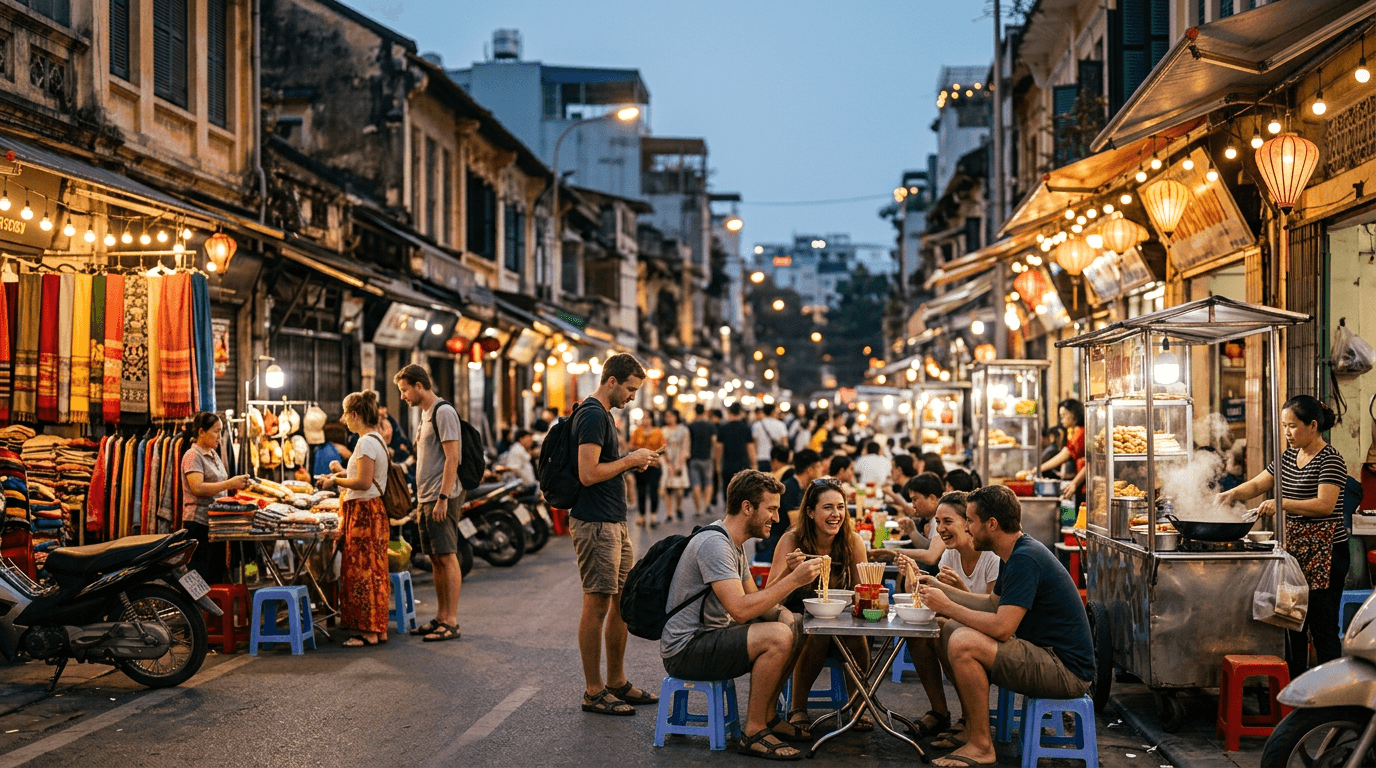
The most affordable places to visit in Asia for budget-conscious travelers are primarily located in Southeast Asia, with Vietnam, Cambodia, and Nepal consistently offering incredible value. In these destinations, daily budgets can be as low as $25-$35 USD, thanks to a combination of inexpensive street food, widely available guesthouse and hostel accommodations, and an abundance of free or low-cost cultural experiences that deliver priceless memories without emptying your wallet.
Are you dreaming of misty mountains, ancient temples, bustling megacities, and pristine beaches, but worried about the cost? You've come to the right place. Asia is a continent of immense diversity, and the good news is that some of its most spectacular destinations are also its most affordable. This guide is your ultimate resource, compiled by the Gidly team of city experts and travel fanatics, to help you plan an unforgettable Asian adventure for 2025 or 2026 without breaking the bank. We're going beyond the typical travel advice to give you insider tips, detailed budget breakdowns, and recommendations for unique local events and activities that will make your trip truly special. Forget the surface-level lists; we're diving deep into the costs, culture, and character of the 15 most budget-friendly spots across this incredible continent.
1. Vietnam: The Ultimate Budget Destination
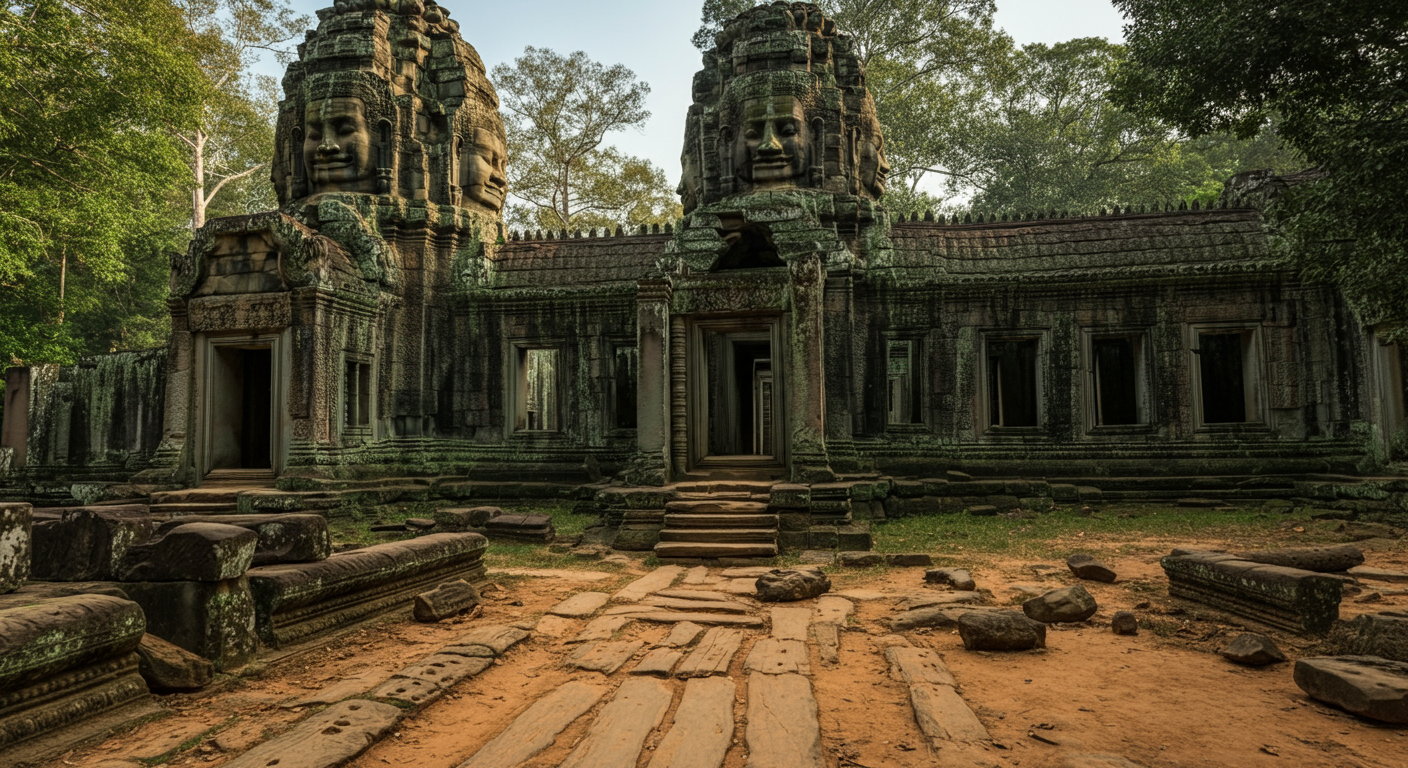
Vietnam consistently ranks as the number one affordable place to visit in Asia, offering an unbeatable combination of stunning landscapes, rich history, and world-renowned cuisine at incredibly low prices. From the chaotic charm of Hanoi's Old Quarter to the lantern-lit streets of Hoi An and the dramatic scenery of Ha Long Bay, Vietnam delivers a five-star experience on a one-star budget. The country's well-established tourist infrastructure, including an extensive network of buses, trains, and affordable guesthouses, makes it incredibly easy and cheap to explore from north to south. Our team at Gidly has scoured the country and can confirm: your money goes further here than almost anywhere else on the continent, allowing for a rich and varied travel experience that feels luxurious even on the tightest budget.
Why Vietnam is #1 for Affordability: A Cost of Living Breakdown
The secret to Vietnam's affordability lies in its extremely low cost of living, which translates directly into savings for travelers. Everyday expenses are a fraction of what you'd pay in the West. A delicious and filling bowl of Phở or a Bánh Mì sandwich from a street vendor can cost as little as $1-$2. A local beer, Bia Hoi, famously costs around $0.25 in some local establishments. This low-cost structure extends across all aspects of travel. Accommodation is a prime example; you can find clean, sociable hostel dorm beds for $5-$8 per night, while a comfortable private room in a local guesthouse (or *nhà nghỉ*) might set you back just $15-$25. Even transportation is a bargain. An overnight sleeper bus to cover hundreds of kilometers between major cities can cost as little as $10-$15, saving you both time and the cost of a night's accommodation. These small costs add up—or rather, they *don't* add up, allowing you to splurge on experiences like a multi-day cruise or a cooking class without derailing your budget.
Daily Budget Planner: Backpacking ($25-35) vs. Mid-Range Comfort ($50-70)
Planning your budget for Vietnam is straightforward because you can have a great time on almost any budget. For the quintessential backpacking experience, a daily budget of $25-$35 is more than sufficient. This covers a dorm bed, three street food meals, a local coffee or two, a beer in the evening, and a small daily allowance for a museum entrance or a Grab moto-taxi ride. You won't be living like royalty, but you will be experiencing the country authentically, eating where the locals eat and staying in the heart of the action. If you prefer a bit more comfort, a mid-range budget of $50-$70 per day opens up a world of possibilities. This allows for a private room in a stylish boutique hotel or guesthouse, a mix of street food and sit-down restaurant meals, a few more cocktails at a nice bar, and the ability to take more comfortable transportation like trains or even a short domestic flight. On this budget, you can also easily afford private tours and more premium experiences, making your trip feel exceptionally luxurious for the price.
Must-Visit Cities on a Budget: Hanoi, Hoi An, Ho Chi Minh City
While the entire country is affordable, a few cities offer the perfect blend of budget-friendliness and unforgettable experiences. Hanoi, the capital, is a sensory overload in the best way possible. The Old Quarter is a maze of streets, each dedicated to a different craft, packed with street food vendors and bustling markets. You can spend days here just wandering, people-watching from a tiny plastic stool with a potent Vietnamese coffee, and visiting sites like Hoan Kiem Lake, all for free or very cheap. Further south, the UNESCO World Heritage town of Hoi An is a must-visit. Its magical Ancient Town, illuminated by thousands of lanterns at night, is a pedestrian-friendly paradise. While it can be slightly more tourist-focused, accommodation and food away from the absolute center remain incredibly cheap. Ho Chi Minh City (Saigon), the southern metropolis, is a dynamic, modern hub with a poignant history. Visiting the War Remnants Museum and the Cu Chi Tunnels provides essential context, while the city's incredible food scene, from street-side stalls to trendy hidden cafes, is a budget foodie's dream.
Incredible Experiences That Won't Break the Bank: Ha Long Bay Cruises, Canyoneering in Da Lat, Street Food Tours
Vietnam's affordability means that epic adventures are within reach for everyone. A trip to Ha Long Bay, a stunning seascape of limestone karsts, is a rite of passage. While you can spend a fortune on luxury cruises, budget-friendly 2-day/1-night options booked from Hanoi can be found for $80-$120, including transport, meals, and activities like kayaking. For adrenaline junkies, canyoneering in Da Lat is an unmissable and cheap thrill. For around $40-$60, you'll spend a full day rappelling down waterfalls, sliding down natural water slides, and cliff jumping. It's a high-octane adventure at a low-cost price. But perhaps the most accessible and rewarding experience is a simple street food tour. Whether you join an organized tour (around $20) or create your own, exploring the culinary landscape of cities like Hanoi or Ho Chi Minh City is a journey for your taste buds. Feasting on Phở, Bún Chả, Bánh Xèo, and dozens of other dishes for just a few dollars is an experience you'll never forget.
Gidly's Top Affordable Events: Finding Local Music & Cultural Festivals
To truly connect with modern Vietnam, you have to dive into its local events scene, which is thriving and often surprisingly affordable. While major events like Tết (Lunar New Year) can be expensive and involve travel shutdowns, there are countless smaller festivals and happenings year-round. Gidly's team recommends keeping an eye out for the Hoi An Lantern Festival, which takes place on the 14th day of every lunar month. The Ancient Town switches off its electric lights and glows with the light of silk lanterns, a truly magical and free spectacle. In Hanoi and Ho Chi Minh City, look for local indie music nights at venues like Hanoi Rock City or The Observatory in Saigon. These venues often have free entry or a small cover charge (around $5-10) and are a great way to see the city's youth culture in action. For a unique cultural experience, check the calendar for village festivals, which often feature traditional games, music, and ceremonies and are completely free to observe. You can find listings for these on local expat forums and on the Gidly app as they pop up.
2. Cambodia: Ancient Wonders on a Shoestring
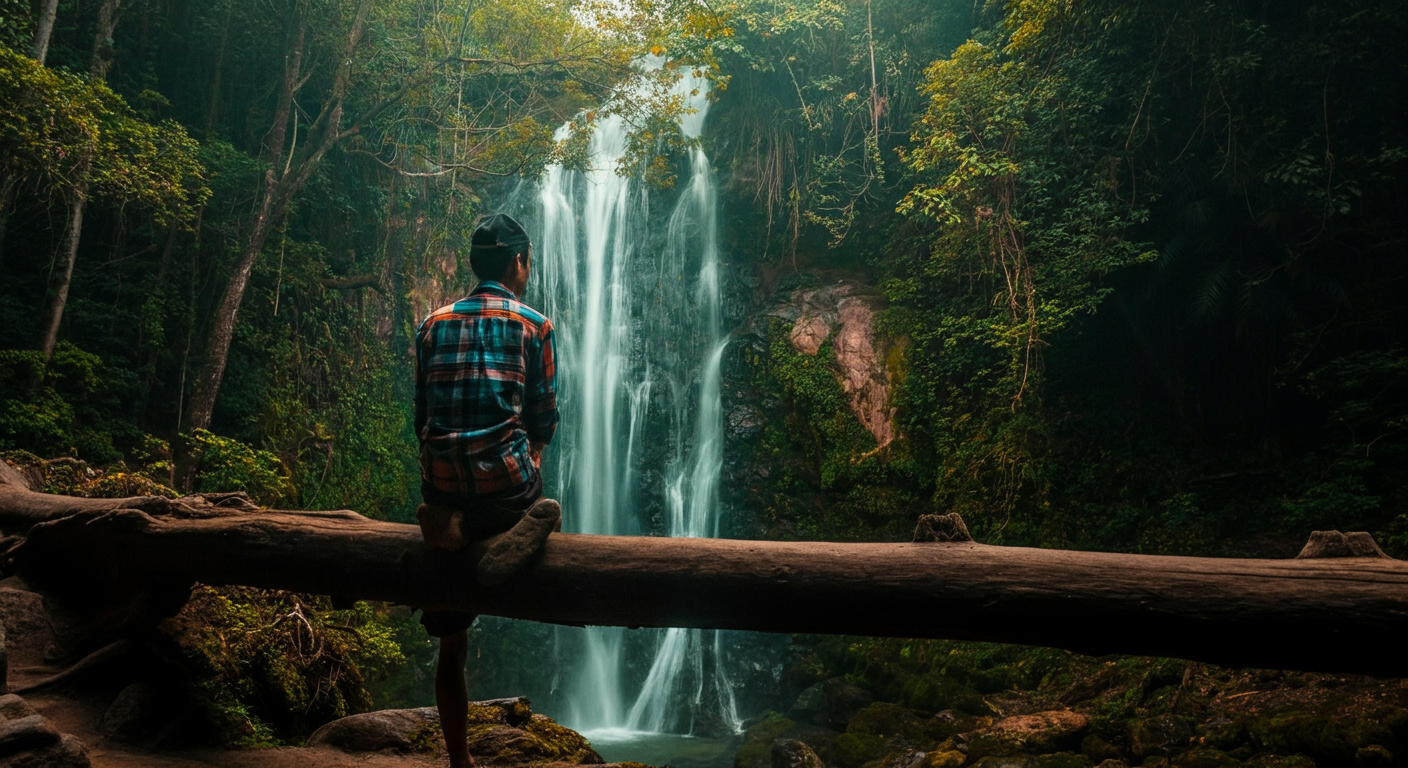
Cambodia offers a potent and moving travel experience, where the echoes of a tragic past meet the optimism of a vibrant future, all set against the backdrop of some of the world's most breathtaking ancient ruins. The main draw, the temple complex of Angkor, is a wonder of the world, but the country's appeal goes much deeper. From the bustling capital of Phnom Penh to the laid-back beaches of the southern coast, Cambodia is exceptionally affordable, making it a staple on the Southeast Asian backpacking circuit. The warmth and resilience of the Khmer people, combined with the low costs, make it a destination that captures the hearts of travelers and stretches their budgets further than they thought possible.
The Economics of Travel in Cambodia: Why Your Dollar Goes Further
Travel in Cambodia is cheap for a few key reasons, primarily centered on the widespread use of the US dollar alongside the local currency, the Cambodian Riel (KHR). While this might sound odd, it simplifies things for tourists. Prices for accommodation, tours, and in many restaurants are quoted in USD. You'll pay in dollars and often receive your small change in Riel (at a rate of roughly 4,000 KHR to $1 USD). This dual-currency system means you don't lose money on exchange rates constantly. Beyond that, the fundamental costs are just low. A dorm bed in a popular hostel in Siem Reap or Phnom Penh costs between $4 and $7. A massive plate of fried noodles or a hearty bowl of Kuy Teav soup from a local eatery will rarely cost more than $2-$3. A can of local Angkor beer? About $1 in a restaurant, and even less in a shop. This economic environment means your daily spending can be kept to an absolute minimum, freeing up funds for the one big expense: the Angkor Pass.
Daily Budget Planner: Basic ($25-40) vs. Mid-Range ($60-80)
A basic daily budget in Cambodia, perfect for backpackers and shoestring travelers, falls between $25 and $40 per day. This amount comfortably covers a hostel dorm bed, three delicious local meals, transportation via tuk-tuk (especially if you share), and a few beers at the end of the day. This budget even has a bit of wiggle room for small entry fees or a boat trip. It’s important to note that this daily budget does *not* include the cost of the Angkor Pass, which is a significant one-time expense ($37 for one day, $62 for three days). For travelers seeking more comfort, a mid-range budget of $60-$80 per day is fantastic. This unlocks private air-conditioned rooms in beautiful guesthouses with swimming pools, meals at some of the country's best restaurants (which are still very cheap by Western standards), private tuk-tuk drivers for the day, and the ability to enjoy cocktails at stylish riverside bars in Phnom Penh. Our team found that even on a mid-range budget, it was hard to spend over $80 a day without actively trying to be extravagant.
Beyond Angkor Wat: Exploring Phnom Penh and the Coast (Koh Rong)
While the temples of Angkor are the main event, spending time in other parts of Cambodia is essential for a well-rounded and affordable trip. Phnom Penh, the capital, is a city of captivating chaos and profound history. A visit to the Tuol Sleng Genocide Museum and the Choeung Ek Killing Fields is a sobering but vital experience to understand the country's recent past. Beyond the history, the city buzzes with energy. You can wander along the riverfront, explore the gilded Royal Palace, and dive into the labyrinthine Central Market. From there, head south to the coast for a completely different vibe. The island of Koh Rong has evolved from a rustic backpacker outpost to a destination with options for everyone. While the main town can be a party hub, quieter beaches offer bungalows for as little as $15-20 a night. It's the perfect place to unwind, go snorkeling, and enjoy pristine beaches for a fraction of the cost of neighboring Thailand.
Affordable Activities: Temple Hopping, Visiting the Killing Fields, Riverfront Sunsets
Cambodia is packed with affordable and meaningful activities. In Siem Reap, the main activity is, of course, temple hopping. To save money and avoid the crowds, hire a tuk-tuk driver for the day (around $15-20) and ask them to take you on the "small circuit" or "grand circuit" of temples. For a different perspective, consider renting a bicycle for a few dollars and exploring the closer temples at your own pace. In Phnom Penh, as mentioned, the historical sites related to the Khmer Rouge regime are must-visits. The entrance fee for Tuol Sleng is $5 and Choeung Ek is $6, including a powerful and well-produced audio guide. One of the best *free* activities in the capital is simply finding a spot on the riverfront promenade during golden hour. As the sun sets, the area comes alive with locals exercising, families playing, and vendors selling snacks. It’s a beautiful slice of daily Cambodian life that costs nothing to enjoy.
Local Intel: The Best Markets and Local Restaurants for Cheap Eats
The key to eating well and cheap in Cambodia is to embrace the local markets and street-side restaurants. In Siem Reap, venture away from the tourist-heavy Pub Street and head to Psar Chas (Old Market). Around the edges, you'll find countless food stalls serving up authentic Khmer dishes for a dollar or two. Be brave and try the fish amok (a fragrant coconut curry) or beef lok lak (stir-fried beef with a peppery lime sauce). In Phnom Penh, the Russian Market (Phsar Toul Tom Poung) is another treasure trove for both souvenirs and cheap eats. Tucked inside the market are food stalls mobbed by locals, which is always a good sign. Don't be afraid to point at what looks good. For a truly local experience, look for the simple restaurants with metal tables and plastic chairs packed with Cambodians—the food will be fresh, delicious, and incredibly inexpensive. This is where you'll find the soul of Khmer cuisine.
3. Nepal: Himalayan Vistas for Pennies
Nepal is a country that truly touches the soul, a place where spiritual serenity and colossal mountain landscapes exist in perfect, affordable harmony. For travelers who prioritize natural beauty and adventure over luxury, there is no better value on earth. Home to eight of the world's ten tallest mountains, including Mount Everest, Nepal is the undisputed king of Himalayan trekking. But even if you're not a mountaineer, the country offers a wealth of cultural experiences, from the ancient temple-filled cities of the Kathmandu Valley to the tranquil lakeside town of Pokhara. The prices here are astonishingly low, allowing you to immerse yourself in this magical country for an extended period without financial stress.
High Altitude, Low Prices: Nepal's Unbeatable Value
The value proposition of Nepal is simple: it offers million-dollar views for a pocket-change price. The cost of living is one of the lowest in Asia, which means everything from food to lodging is incredibly cheap. A hearty plate of dal bhat (the national dish of rice, lentils, and vegetables, with free refills!) can be found for $2-$3 in city restaurants and is the fuel of every trekker. A bed in a clean and friendly guesthouse in Kathmandu's Thamel district or along Pokhara's Lakeside can be as cheap as $5-$10 per night for a private room. The real savings, however, come with the trekking. While guided expeditions to Everest Base Camp can be pricey, independent trekking in regions like the Annapurna Conservation Area is remarkably affordable due to the network of "tea houses," which we'll discuss more below. This unique combination of epic scenery and rock-bottom prices makes Nepal a dream destination for adventurers on a budget.
Daily Budget Planner: Trekking Budget ($30-40) vs. City Budget ($20-30)
Your daily budget in Nepal will vary slightly depending on whether you're in the city or on a mountain trail. In cities like Kathmandu and Pokhara, you can live very comfortably on just $20-$30 per day. This budget covers a private room in a guesthouse, three delicious meals (mixing local eateries and tourist-friendly restaurants), and entry fees to historic sites like the Boudhanath Stupa or Swayambhunath (Monkey Temple). You could easily get by on even less if you stick to dorms and local food. Once you hit the trekking trails, your daily expenses might paradoxically increase slightly, to around $30-$40 per day. This is because everything in the mountains, from a bottle of water to a plate of dal bhat, has to be carried up by porters or mules. Prices for food and accommodation increase with altitude. However, considering you're in some of the most remote and spectacular terrain on the planet, paying $5 for a bed and $6 for a huge dinner still feels like an unbelievable bargain.
Key Destinations: The Buzz of Kathmandu vs. the Tranquility of Pokhara
Nepal's two main tourist hubs offer distinctly different experiences. Kathmandu is a chaotic, dusty, and utterly captivating capital city. The tourist district of Thamel is a whirlwind of trekking gear shops, bakeries, and bars, while the city's ancient heart is found in its Durbar Squares (Patan, Bhaktapur, and Kathmandu), which are living museums of Newari architecture and craftsmanship. It’s a city that assaults the senses and rewards the curious. After the intensity of Kathmandu, Pokhara feels like a deep exhale. Situated on the serene Phewa Lake with the stunning Annapurna mountain range as its backdrop, Pokhara is Nepal's adventure capital and relaxation center rolled into one. It's the starting and ending point for many famous treks, but it's also a perfect place to spend a few days doing nothing at all. You can go paragliding, rent a boat on the lake, take a yoga class, or simply sit by the water with a book and gaze at the mountains. Both cities are essential stops on any Nepalese itinerary and offer a perfect balance of culture and nature.
Epic Adventures on a Budget: Annapurna Circuit Prep, Temple Sightseeing, Yoga Retreats
The ultimate budget adventure in Nepal is trekking. While the Everest Base Camp trek is the most famous, our team at Gidly often recommends the Annapurna region for its greater variety of scenery and more accessible costs. You can prepare for a trek like the Annapurna Circuit or Poon Hill by either hiring a guide and porter in Pokhara (around $25-$30 per day for a guide) or going independently. All you really need is a good map, a permit (TIMS card and ACAP permit, around $40 total), and a decent level of fitness. Back in the cities, temple sightseeing is a cheap and fascinating way to spend your days. Many of Kathmandu's most sacred sites, like the Pashupatinath Temple, can be explored for a small entry fee. For those seeking inner peace, Nepal has also become a hub for affordable yoga and meditation retreats. You can find multi-day retreats in Kathmandu or Pokhara starting from as little as $30-$40 per day, including accommodation, meals, and multiple daily classes—an incredible value compared to similar offerings in the West.
Insider Tip: How Tea House Trekking Saves You Hundreds
The single greatest money-saving hack for travel in Nepal is embracing the tea house trekking culture. Unlike in many other parts of the world where trekking requires carrying tents, sleeping bags, and all your own food, the popular trails in Nepal (like the Annapurna and Everest regions) are dotted with small lodges called tea houses. These family-run guesthouses offer simple private rooms and a common dining area with a warm stove. The genius of the system is that the rooms themselves are incredibly cheap ($3-$6) or sometimes even free, on the understanding that you will buy all your meals (dinner and breakfast) at their lodge. This system eliminates the need for expensive camping gear and the cost of organized camping tours, which can run into thousands of dollars. You can trek for weeks carrying little more than a change of clothes and a daypack, saving an enormous amount of money and interacting directly with the local mountain communities. It's a sustainable and brilliantly simple system that makes the Himalayas accessible to all.
4. Indonesia: More Than Just Bali on a Budget
When you think of Indonesia, your mind might immediately jump to Bali, and for good reason. But this sprawling archipelago of over 17,000 islands offers a universe of affordable adventure far beyond its most famous island. From the volcanic landscapes of Java to the pristine marine life around the Gili Islands and the raw beauty of Sumatra, Indonesia is a country of immense diversity, and much of it can be explored on a surprisingly small budget. While Bali has seen prices rise in its most popular areas, the country as a whole remains a fantastic value destination for travelers seeking culture, nature, and adventure. Our Gidly team has explored extensively and found that by venturing just a little off the beaten path, the rewards—and savings—are immense.
Island Hopping Affordably: A Guide to Indonesia's Costs
Navigating the costs in Indonesia means understanding its geography. The country is huge, and transportation will be a key part of your budget. Thankfully, it's generally very cheap. Budget airlines like Lion Air and AirAsia offer incredibly low fares for domestic flights, often making it cheaper and faster to fly between major islands than to take a multi-day ferry. For shorter distances, a network of trains (especially on Java), buses, and public ferries provides rock-bottom prices. For example, the public ferry from Bali to Lombok costs only a few dollars. Food and accommodation follow a similar pattern of affordability. A delicious meal of Nasi Goreng (fried rice) or Mie Goreng (fried noodles) from a local *warung* (small family-owned restaurant) can cost as little as $1.50-$3. You can find clean and comfortable guesthouse rooms for $15-$25 a night in most parts of the country, and even less for basic fan-cooled rooms. Your dollar stretches impressively far once you're on the ground.
Daily Budget Planner: Bali & Gili Islands ($35-50) vs. Java & Sumatra ($25-40)
Your daily budget in Indonesia will largely depend on which islands you choose to visit. In the more heavily touristed areas like southern Bali (Canggu, Seminyak) and the Gili Islands, you should plan for a daily budget of around $35-$50. This will cover a nice guesthouse room or a dorm in a trendy hostel, a mix of local and Western-style meals, a Bintang beer or two, and maybe a scooter rental ($5-7 per day) to explore. While this is still very affordable, you'll find your money goes even further on other islands. On islands like Java and Sumatra, a daily budget of $25-$40 is more than enough for a fantastic experience. Here, accommodation is cheaper, local food reigns supreme (and is cheaper), and the main attractions are often natural wonders that are free or have a small entry fee. This budget allows for a comfortable journey without having to count every rupiah.
Affordable Paradise: Exploring Yogyakarta, Mount Bromo, and the Gili Islands
For an affordable taste of paradise, focus on a few key destinations. Yogyakarta (pronounced "Jogjakarta") on the island of Java is the cultural heart of the country. It's the gateway to the magnificent Borobudur and Prambanan temple complexes, both UNESCO World Heritage sites. The city itself is a hub for arts, batik, and traditional Javanese culture, and it's incredibly cheap. From Yogyakarta, you can take a legendary, bumpy, and unforgettable overland trip to Mount Bromo, an active volcano with an otherworldly landscape, especially at sunrise. The journey involves a mix of trains and shared jeeps and is a classic backpacker adventure. After the culture and volcanoes of Java, head to the Gili Islands, a trio of tiny islands off the coast of Lombok. Gili Trawangan is the party island, Gili Meno is the quiet honeymoon spot, and Gili Air is the perfect mix of both. With no motorized traffic, you get around by bicycle or horse-drawn cart. They offer a postcard-perfect beach escape at a fraction of the price of similar destinations.
Must-Do Activities for Less: Surfing Lessons, Volcano Hikes, Temple Visits
Indonesia is an active traveler's dream, and most of its best activities are very affordable. If you've ever wanted to learn to surf, the beaches of Bali (like Kuta or Canggu) and Lombok offer the perfect opportunity. You can rent a board for a few dollars an hour, and a 2-hour private lesson will only set you back around $20-$30. Hiking volcanoes is another signature Indonesian experience. The sunrise hike up Mount Batur in Bali is a popular option (around $30 for a guided tour), offering stunning views over a volcanic caldera. For a more challenging and less crowded experience, consider Mount Rinjani on Lombok (requires a multi-day guided trek). Of course, visiting the country's thousands of temples is a must. While Borobudur and Prambanan have steeper tourist entrance fees (around $25 each), the experience is worth it, and countless other beautiful temples across Bali and Java have entry fees of just a dollar or two.
E-E-A-T Signal: Our Experience Finding Affordable Wellness Retreats in Ubud
Ubud, in the heart of Bali, is globally known as a hub for yoga and wellness. While this reputation has brought in many high-end, luxury retreats that cost thousands of dollars, our Gidly team was determined to see if the "Eat, Pray, Love" experience could be done on a budget. We're happy to report that it absolutely can. Instead of booking an all-inclusive retreat package, we created our own. We found a beautiful, family-run guesthouse just outside the main town for $20 a night. Then, we bought a multi-class pass at one of the world-famous yoga studios like The Yoga Barn, which brought the cost per class down to about $7-$8. For food, we skipped the trendy vegan cafes and ate at local warungs, getting delicious and healthy vegetarian meals for $2-$3. We treated ourselves to a traditional Balinese massage for just $8. In total, we curated a week-long wellness retreat for less than the cost of one night at a luxury resort, proving that wellness in Bali can be both authentic and incredibly affordable if you're willing to assemble the pieces yourself.
5. Thailand: The Perennial Backpacker Favorite
Thailand is the original Southeast Asian backpacker hub, the country that launched a million travel dreams. For decades, its combination of stunning beaches, ornate temples, delicious food, and famously friendly locals has made it an irresistible and affordable destination. While it's true that some of its most famous islands have become more developed and expensive, the Gidly team can confirm that Thailand in 2025/2026 remains an absolute bargain, especially if you know where to look. By balancing your time between the vibrant north and the idyllic south, you can still experience the magic that made Thailand a legend, all on a very manageable budget.
Still a Bargain: How to Experience Thailand Affordably in 2025
The key to experiencing Thailand affordably today is to be a smart traveler. The country has a two-tiered economy in many tourist areas: one for locals and one for tourists. The trick is to live more like a local. Eat at the street food stalls and in the simple, open-air restaurants where you see Thais eating—the food is often better and always a fraction of the price. A pad thai or green curry from a street vendor can be as little as $1.50-$2. Use local transportation like the songthaews (shared red trucks) in Chiang Mai or the BTS Skytrain in Bangkok instead of relying solely on tuk-tuks (which you should always haggle for). In terms of accommodation, while luxury resorts abound, there is still a massive network of budget-friendly guesthouses and hostels. A dorm bed can be found for $6-$10, and a clean, private, air-conditioned room for $20-$30. By making these small choices daily, you keep your costs incredibly low.
Daily Budget Planner: Northern Thailand ($30-40) vs. Southern Islands ($50-70)
Your daily budget in Thailand will vary significantly based on your location. In Northern Thailand, particularly in cities like Chiang Mai and Pai, you can live very well on a budget of $30-$40 per day. This region is known for its lower cost of living. This budget will get you a comfortable private room, three delicious meals, a scooter rental to explore the surrounding mountains and waterfalls, and maybe even a traditional Thai massage ($7-$10 an hour!). The southern islands, famous for their stunning beaches, are generally more expensive. For destinations like Phuket, Koh Samui, or Koh Phi Phi, you should plan for a daily budget of $50-$70. Accommodation and food simply cost more due to the logistics of island life and high demand. This budget will still allow for a fantastic trip with a nice guesthouse room, plenty of beach time, and a few boat trips, but you'll need to be more mindful of your spending on drinks and Western food.
Budget Hotspots: Chiang Mai's Digital Nomad Scene, Bangkok's Street Life, Pai's Vibe
For the best value, focus on Thailand's budget hotspots. Chiang Mai, in the north, is the undisputed champion. It's a beautiful city with hundreds of ancient temples, incredible food, and a relaxed atmosphere. It's also a major hub for digital nomads, thanks to its low cost of living, great Wi-Fi, and amazing cafe culture. You can spend weeks here and barely scratch the surface. About three hours from Chiang Mai is Pai, a small town in a picturesque valley that has become a haven for bohemian travelers. It's all about chilling in a hammock, exploring waterfalls, and enjoying the slow pace of life. Bangkok, the sprawling capital, might seem expensive, but it's a city of contrasts. While you can spend a fortune in its high-end malls and rooftop bars, you can also experience its incredible street life for next to nothing. Exploring markets, visiting temples, and eating world-class street food will be the highlights of your time here, and they are all incredibly cheap.
Unforgettable & Cheap: Island Tours, Cooking Classes, Visiting Elephant Sanctuaries
Thailand offers a wealth of unforgettable experiences that don't cost a fortune. Joining a Thai cooking class is a fantastic way to spend a half-day and learn a new skill. For around $25-$35, you'll be taken to a local market to learn about ingredients and then taught how to cook several classic dishes, which you then get to eat. In the south, island hopping boat trips are essential. A "4-island tour" from Krabi or a trip to the Ang Thong National Marine Park from Koh Samui can be booked for $30-$50 for a full day, including lunch and snorkel gear. A visit to an ethical elephant sanctuary is another popular activity. Be sure to choose a sanctuary that focuses on rescue and rehabilitation, with no riding. A half-day visit to a place like the Elephant Nature Park in Chiang Mai is a powerful experience, and while it's a bit pricier (around $70), the money goes towards the care of these magnificent animals.
Gidly Recommends: Navigating Bangkok's Nightlife and Rooftop Bars on a Budget
Bangkok's rooftop bar scene is legendary, offering spectacular views of the city skyline. However, visiting famous bars like the Sky Bar at Lebua State Tower (from "The Hangover Part II") can be a budget-destroying experience, with cocktails costing upwards of $30. But you don't have to miss out. Gidly's recommendation is to seek out the more low-key, local-favorite rooftop bars. For example, Tichuca Rooftop Bar has a stunning "tree" centerpiece and more reasonably priced drinks, though it can get very crowded. An even better budget hack is to visit a place like the Octave Rooftop Lounge & Bar at the Marriott Hotel Sukhumvit during their happy hour. This often brings the price of a signature cocktail or a beer down to a much more manageable level. Alternatively, find a hostel with a rooftop area, like Lost & Found in the Avani+ Riverside hotel, where you can enjoy similar views for the price of a regular drink. You get the million-dollar view without the million-dollar price tag.
| Top 5 Country Comparison | Backpacker Daily Budget (USD) | Mid-Range Daily Budget (USD) | Best For |
|---|---|---|---|
| Vietnam | $25 - $35 | $50 - $70 | Food, landscapes, overall value |
| Cambodia | $25 - $40 | $60 - $80 | Ancient history, resilient culture |
| Nepal | $20 - $30 (City) / $30-40 (Trek) | $40 - $50 | Mountain trekking, spirituality |
| Indonesia | $25 - $40 (Java) / $35-50 (Bali) | $60 - $80 | Island hopping, diverse cultures |
| Thailand | $30 - $40 (North) / $50-70 (South) | $70 - $100 | Beaches, food, tourist infrastructure |
6. Laos: Southeast Asia's Laid-Back Gem
Often overlooked in favor of its more famous neighbors, Laos is the quiet, gentle soul of Southeast Asia. It's a landlocked country of mountains, jungles, and the mighty Mekong River, where the pace of life slows to a crawl. For travelers seeking a respite from the hustle and a destination that feels less trodden, Laos is a perfect choice. Its affordability is legendary among those in the know, and its serene beauty and rich culture offer a different kind of travel experience—one that's more about soaking in the atmosphere than ticking off a list of sights. A trip here is a reminder that sometimes the best part of traveling is doing nothing at all.
The Appeal of Slow, Affordable Travel in Laos
The charm of Laos lies in its unhurried nature. There are no major megacities here; even the capital, Vientiane, feels like a sleepy town. This "slow travel" ethos is perfectly matched by the country's low costs. Laos is on par with Cambodia and Nepal in terms of affordability. A bed in a guesthouse can be found for $5-$8, and a full meal of sticky rice, laap (a spicy minced meat salad), and grilled fish from a local restaurant will only set you back $3-$5. The national beer, Beerlao, is ubiquitous and cheap, the perfect accompaniment to a sunset over the Mekong. Transportation between towns is primarily by bus or minivan, which is slow but very inexpensive. The country's lack of development, in this case, is a huge part of its appeal, preserving a sense of old-world Asia that is becoming harder to find, and it keeps prices naturally low for travelers.
Daily Budget Planner: A Consistent $25-$40 Across the Country
Unlike countries with significant regional price differences, the cost of travel in Laos is remarkably consistent. A daily budget of $25-$40 is a safe and comfortable bet for most travelers, whether you're in the cultural hub of Luang Prabang or the adventurous outpost of Vang Vieng. This budget will easily cover a private room in a simple guesthouse (or a dorm bed if you want to save even more), three meals a day, and plenty of Beerlao. It also allows for activities like renting a bicycle or motorbike, paying for temple entrance fees, and taking a boat trip on the river. Our team found that it was easy to stay at the lower end of this range without feeling restricted. Laos is a country that encourages simple pleasures, and thankfully, those are the cheapest things to enjoy.
Where to Go: The Charm of Luang Prabang and Adventure in Vang Vieng
The two primary stops on the Lao travel trail are Luang Prabang and Vang Vieng. Luang Prabang, a UNESCO World Heritage city, is the country's glittering jewel. It's a beautifully preserved town at the confluence of the Mekong and Nam Khan rivers, filled with shimmering temples, French colonial architecture, and a wonderfully tranquil atmosphere. Days here are spent visiting temples, exploring the night market, and climbing Mount Phousi for sunset. Vang Vieng, on the other hand, has a more complicated reputation. Once infamous for its wild river tubing parties, it has successfully rebranded itself as an eco-adventure hub. The stunning karst landscape is now the main attraction, with opportunities for kayaking, rock climbing, caving, and exploring blue lagoons. It offers a dose of adrenaline to complement Luang Prabang's serenity. Both are essential for experiencing the different facets of Laos.
Low-Cost Highlights: Kuang Si Falls, Giving Alms to Monks, Kayaking
Some of the most memorable experiences in Laos are also the cheapest. Near Luang Prabang lies the Kuang Si Falls, a spectacular multi-tiered waterfall with turquoise pools perfect for swimming. The entrance fee is minimal (around $2.50), and you can get there by sharing a tuk-tuk with other travelers for a few dollars. One of Luang Prabang's most iconic rituals is the morning alms giving ceremony (Tak Bat), where hundreds of saffron-robed monks walk through the streets collecting sticky rice from devotees. It's a beautiful, spiritual spectacle that is free to observe (though please do so respectfully from a distance). In Vang Vieng, instead of the old-school tubing, consider a kayaking trip down the Nam Song River. A full-day guided tour, including cave visits and lunch, can be found for around $15-$20 and offers a much better way to appreciate the incredible scenery.
7. The Philippines: 7,000+ Islands of Affordable Adventure
For those whose vision of paradise involves limestone cliffs, hidden lagoons, and some of the clearest water on Earth, the Philippines is the answer. With over 7,000 islands, this archipelago offers endless opportunities for adventure, and the best part is that it can be done on a surprisingly modest budget. The country is a world-class destination for diving, snorkeling, and beach hopping, with a vibrant and friendly English-speaking culture that makes travel a breeze. While getting between islands requires some planning, the jaw-dropping scenery that awaits is worth every bit of the effort and every peso spent.
Island Value: Understanding Costs for Transport and Lodging
The cost equation in the Philippines revolves around transport and accommodation. With so many islands, you'll be relying on a mix of budget flights (from airlines like Cebu Pacific), ferries, and local *banca* boats. Flights are cheap if booked in advance, and ferries offer a slower but more scenic and even cheaper option. Once on the islands, lodging is plentiful and affordable. You can find beachside bungalows and guesthouse rooms for $20-$30 a night, and hostels in popular spots like El Nido or Cebu offer dorm beds for $8-$15. Food is also a great value, with local eateries (*carinderias*) serving up hearty meals of rice, meat, and vegetables for just $2-$4. The Philippines offers a similar beach paradise experience to the Thai islands but often at a lower price point, especially for activities and food.
Daily Budget Planner: Averages of $35-50 for Paradise
A comfortable backpacking budget for the Philippines is around $35-$50 per day. This is a realistic average that accounts for the slightly higher costs in popular tourist destinations like El Nido and Coron, balanced by cheaper days in less-visited areas. This budget will cover a dorm bed or a basic private room, three local meals a day, and the occasional San Miguel beer. Crucially, it also allows for the single most essential expense: the island-hopping tours. These tours are the main reason to visit places like Palawan, and they represent incredible value. A full-day tour with a beautiful boat, a delicious grilled lunch, and visits to multiple stunning lagoons and beaches typically costs between $20 and $30. By prioritizing these tours and saving on food and lodging, you can have the trip of a lifetime.
Top Budget Spots: Palawan (El Nido, Coron) and Cebu's Natural Wonders
The crown jewel of the Philippines is undoubtedly Palawan, consistently voted one of the most beautiful islands in the world. The main hubs here are El Nido and Coron. El Nido is famous for its dramatic limestone cliffs and hidden lagoons, accessible via the legendary Tours A, B, C, and D. Coron is renowned for its world-class wreck diving and stunningly clear lakes, like Kayangan Lake. While these areas are the most popular, they are organized around affordable tourism. Further south, the island of Cebu is another budget-friendly hub of adventure. From Cebu City, you can travel south to Moalboal to witness the incredible "sardine run" (swimming with millions of sardines just off the shore) and go canyoneering at the beautiful Kawasan Falls, an exhilarating day trip that's also great value.
Affordable Fun: Snorkeling Tours, Waterfall Hikes, Beach Camping
The fun in the Philippines is all about the water, and it's almost all affordable. The aforementioned island-hopping tours are essentially full-day snorkeling trips, taking you to the best reefs and marine spots. The water is so clear and the marine life so abundant that you get a world-class experience for a backpacker price. Beyond the organized tours, many islands offer incredible natural attractions for free or for a small entrance fee. On the island of Siquijor, you can hunt for waterfalls and swing from vines into turquoise pools. On Bohol, you can see the unique Chocolate Hills and visit the Tarsier Sanctuary. For a truly budget-friendly and unforgettable experience, look into beach camping options. On some of the multi-day expeditions between El Nido and Coron, or on more remote islands, you can spend the night camping on a deserted beach under the stars, a priceless experience that costs very little.
8. Malaysia: A Diverse Nation Offering Incredible Value
Malaysia is a fascinating and often underrated destination that offers a seamless blend of modernity, culture, and nature at a price point that's hard to beat. It's a country of three distinct cultures—Malay, Chinese, and Indian—which have merged to create a unique national identity and one of the world's best food scenes. From the gleaming skyscrapers of Kuala Lumpur to the colonial charm of Penang and the ancient rainforests of Borneo, Malaysia provides a diverse and comfortable travel experience. Thanks to excellent infrastructure and a favorable exchange rate, it delivers a taste of "Asia Lite"—easy, clean, and safe—without the high costs of Singapore or Hong Kong.
How Malaysia Offers Both Urban Polish and Natural Bargains
Malaysia's value proposition is its diversity. In the capital, Kuala Lumpur (KL), you can experience a modern, world-class city for a fraction of the price of its global counterparts. The public transportation system is efficient and cheap, and you can find accommodation ranging from slick, modern hostels to affordable luxury hotels. Then, just a short and cheap flight away, you have the natural wonders of Malaysian Borneo (the states of Sabah and Sarawak), home to orangutans, dense jungles, and incredible diving opportunities. The country's dual identity is also reflected in its food culture. You can dine in a fancy restaurant in KL or you can eat at a hawker stall in Penang, where three different dishes from three different vendors might cost you a total of $5. This ability to mix and match high-end and low-end experiences makes Malaysia a very flexible budget destination.
Daily Budget Planner: Peninsula ($35-50) vs. Borneo ($40-60)
On Peninsular Malaysia (where KL, Penang, and the Cameron Highlands are located), a daily budget of $35-$50 is very comfortable. This allows for a dorm bed or a private room in a budget hotel, three delicious meals from hawker centers or local restaurants, public transport, and entry fees for most attractions. You'll find that your money goes a long way, especially when it comes to food. On the island of Borneo, your budget might need to be slightly higher, in the range of $40-$60 per day. This is because the main attractions here, such as visiting orangutan sanctuaries, jungle trekking, and diving at Sipadan, are organized tours that come with a higher price tag. While the day-to-day cost of food and lodging is still low, these essential activities add to the overall daily cost. However, these are once-in-a-lifetime experiences that are well worth the price.
Key Destinations: Penang's Food Scene, Cameron Highlands' Tea Plantations, Kuala Lumpur
Three destinations on Peninsular Malaysia are absolute must-visits for budget travelers. Kuala Lumpur is the dynamic entry point, home to the iconic Petronas Towers and the Batu Caves. But the real joy of KL is exploring its distinct neighborhoods, from the bustling markets of Chinatown to the vibrant textiles of Little India. A short bus or train ride away are the Cameron Highlands, a cool, mountainous region famous for its rolling tea plantations. It's a welcome respite from the tropical heat, and you can spend your days hiking trails, visiting tea factories for free tastings, and picking strawberries. The undisputed highlight for many, however, is the island of Penang. Its capital, George Town, is a UNESCO World Heritage site, famous for its colonial architecture, incredible street art, and, most importantly, its legendary street food. A trip to Penang is a culinary pilgrimage, and you can eat like a king for just a few dollars a day.
What to Do: Jungle Trekking, Street Art Hunting, Visiting Temples
Malaysia is packed with affordable activities. In George Town, Penang, one of the best things to do is completely free: hunting for the famous street art murals by Ernest Zacharevic. Renting a bicycle and cycling around the city to find each whimsical piece is a perfect way to spend a day. In the Cameron Highlands, many of the hiking trails through the tea plantations and mossy forests are free to access. Just grab a map from your guesthouse and head out to explore the stunning scenery. Across the country, visiting the diverse places of worship is a fascinating and free cultural experience. In one day in KL, you can visit the Jamek Mosque, the Thean Hou Chinese Temple, and the Sri Mahamariamman Hindu Temple, showcasing the country's multicultural fabric. For a dose of nature on the peninsula, Taman Negara National Park offers affordable jungle trekking and canopy walks, a great alternative if you don't have time for Borneo.
9. India: The Ultimate Test of Budget Travel Skills
India is not just a destination; it's an experience that will challenge, thrill, and change you. For the budget traveler, it is the holy grail—a country where it is possible to travel for an astonishingly low amount of money. The sheer scale and diversity of India are mind-boggling, from the snow-capped peaks of the Himalayas to the sun-drenched beaches of Goa and the tranquil backwaters of Kerala. It's a sensory explosion of colors, sounds, and smells, and navigating it requires patience and a sense of adventure. But for those willing to dive in, India offers rewards and value unlike anywhere else on Earth. It is, without a doubt, one of the cheapest countries in the world to travel in.
Unparalleled Diversity, Unbelievably Low Costs
The fundamental reason for India's affordability is its massive population and low cost of living. The infrastructure, particularly the vast Indian Railways network, is designed to move millions of people cheaply. A sleeper class train journey covering hundreds of miles can cost as little as $5-$10. Food costs are minuscule; you can get a delicious and filling meal of thali (a platter of various dishes) or street food like samosas and chaat for under $2. Simple guesthouses and hostels offer beds for $3-$6 per night. This extreme affordability means you can travel for months in India for the same price as a few weeks in other parts of Asia. Your budget is only limited by your comfort requirements. If you are willing to eat, travel, and sleep like the locals, your spending can be almost negligible.
Daily Budget Planner: Extreme Budget ($15-25) to Comfortable ($40-60)
It is entirely possible to travel in India on an extreme budget of $15-$25 per day. This involves staying in the most basic dorms or guesthouses, eating exclusively local street food or at dhabas (roadside eateries), and traveling in the lowest class on trains. It will be intense, but it is doable. A more realistic and comfortable budget for a backpacker is around $40-$60 per day. This budget elevates your experience significantly. It allows for a private room in a clean and decent guesthouse (often with air conditioning), a mix of street food and meals in nice restaurants, traveling in more comfortable AC train classes, and taking the occasional taxi or Uber instead of an auto-rickshaw. It also provides a buffer for entrance fees to major sites like the Taj Mahal (which has a high foreigner price) and for booking tours or activities.
Where to Start: The Golden Triangle vs. Goa's Beaches vs. Kerala's Backwaters
For first-time visitors, the classic introduction to India is the Golden Triangle: Delhi, Agra, and Jaipur. This route packs in some of the country's most iconic sights, including the Taj Mahal, the forts of Rajasthan, and the bustling capital. It's a whirlwind of history and culture and is well-served by tourist infrastructure. For a completely different vibe, head to Goa. While some of its northern beaches are known for parties and can be more expensive, the beaches in South Goa offer a laid-back, budget-friendly escape where you can rent a beach hut for a few dollars a night. For a tranquil and lush experience, Kerala in the south is a must. Hiring a houseboat to cruise the serene backwaters is a quintessential Keralan experience, and surprisingly affordable options are available if you book locally. Each of these regions feels like a different country, showcasing the incredible diversity on offer.
Experiences for Every Budget: From Free Temples to Affordable Houseboat Trips
India is a country where many of the best experiences are free. Wandering through bustling markets, observing religious ceremonies on the ghats of Varanasi, or visiting a Sikh gurdwara where you will be offered a free meal (langar) are all profound cultural experiences that cost nothing. Many temples and religious sites have no entry fees. For paid activities, there are always budget options. Instead of a luxury houseboat in Kerala, you can take the local public ferry through the backwaters for less than a dollar, seeing the exact same scenery. In Rajasthan, you can find budget-friendly camel safaris into the desert from Jaisalmer that include dinner and a night under the stars for around $20. India constantly reminds you that the most valuable experiences are not the most expensive ones.
10. Uzbekistan: The Silk Road on a Budget
For travelers looking for a truly unique and off-the-beaten-path affordable destination, look no further than Uzbekistan. The heart of the ancient Silk Road, this Central Asian nation is home to some of the most breathtaking Islamic architecture on the planet. Cities like Samarkand, Bukhara, and Khiva are living museums, filled with glittering mosques, madrasas, and mausoleums that tell tales of conquerors, traders, and scholars. For years, Uzbekistan was difficult and expensive to visit, but recent visa liberalizations and tourism investments have opened it up, revealing it to be a surprisingly safe, friendly, and incredibly affordable country to explore.
A Surprisingly Affordable Journey Through History
Uzbekistan's affordability is a pleasant surprise to most visitors. The country has a very low cost of living, and since it is still an emerging tourist destination, prices have not been inflated. You can get a huge plate of plov (the national dish of rice, meat, and vegetables) for $2-$3. A bed in a beautifully decorated, family-run B&B can cost as little as $10-$15. The main cost for travelers is often the entrance fees to the major historical sites, but even these are reasonable compared to similar world-class attractions elsewhere. The country's recent investments in tourism have also made it easier and cheaper to travel within. A modern, high-speed train system connects the major cities, offering a comfortable and cost-effective way to get around.
Daily Budget Planner: Exploring for Just $30-45 a Day
A daily budget of $30-$45 is more than sufficient for a fantastic trip through Uzbekistan. This will comfortably cover a bed in a hostel or a private room in a budget B&B, three hearty meals a day, and transportation costs. This budget also allows for the combined entry tickets to the various sites in cities like Bukhara and Khiva. If you travel as a couple or with a friend, you can often find beautiful private rooms in guesthouses for $20-$30 total, making it even more affordable. Our team was consistently amazed by the high quality of accommodation and food available for such low prices. Uzbekistan delivers a level of historical grandeur and architectural beauty that feels like it should cost far more to experience.
The Jewels of the Silk Road: Samarkand, Bukhara, and Khiva
The three pillars of any Uzbekistan itinerary are Samarkand, Bukhara, and Khiva. Samarkand is home to the magnificent Registan Square, arguably one of the most stunning architectural ensembles in the world. Seeing the three massive, tile-covered madrasas at sunrise or lit up at night is a travel moment you will never forget. Bukhara has a more intimate feel, with a beautifully preserved old town that is a joy to get lost in. Its labyrinth of sandy alleys leads to mosques, bazaars, and ancient caravan-serais. Khiva is the most remote and perfectly preserved of the three. Its inner city, the Itchan Kala, is a walled fortress that feels like a movie set. Walking through its gates is like stepping back in time. Visiting all three provides a comprehensive and awe-inspiring journey through the history of the Silk Road.
What it Costs: High-speed Train Travel, Shared Taxis, and Guesthouse Stays
Getting around Uzbekistan is surprisingly easy and cheap. The "Afrosiyob" high-speed train connects Tashkent (the capital) with Samarkand and Bukhara. A ticket for the 2-hour journey from Tashkent to Samarkand costs around $10-$15, offering a comfortable, modern, and scenic experience. To get to more remote places like Khiva or for travel between cities not on the high-speed line, shared taxis are the way to go. You'll find them at designated taxi stands, and you simply wait for the car to fill up with four passengers. It's a very cost-effective way to travel, costing just a few dollars for inter-city journeys. As for accommodation, the highlight is the network of family-run guesthouses and B&Bs. These are often located in traditional houses with beautiful courtyards, and the hospitality is incredible. A stay here includes a massive, home-cooked breakfast and is a cultural experience in itself, all for just $15-$25 a night.
The Next 5: Surprising & Niche Affordable Destinations (#11-15)
Beyond the well-trodden budget trail, Asia is full of surprises. This next set of destinations includes countries that offer incredible value but might not be the first to come to mind. We're talking about hacking a typically expensive country, exploring rugged Central Asian landscapes, and discovering nations that bridge the gap between Europe and Asia. These places are perfect for the traveler who has "been there, done that" in Southeast Asia and is looking for a new, affordable adventure. Gidly's team loves finding these hidden gems, and we're excited to share them with you.
11. Taiwan: Big City Life at a Fraction of the Cost
Taiwan is a revelation for budget travelers. It offers the high-tech efficiency and safety of Japan or South Korea but at a price point closer to Southeast Asia. The capital, Taipei, has a world-class metro system, incredible food, and a friendly, welcoming atmosphere. The best part? The food scene is dominated by night markets, where you can feast on dozens of unique and delicious snacks like bubble tea, stinky tofu, and flame-torched beef cubes for just a few dollars. Accommodation in clean, modern hostels is plentiful and cheap ($15-$20 for a dorm). Outside the city, the island boasts stunning natural beauty, from the dramatic cliffs of Taroko Gorge to beautiful beaches and lush mountains, all accessible via an efficient public train system. It’s an easy, safe, and surprisingly affordable destination that punches well above its weight.
12. Sri Lanka: Beaches, Trains, and Tea for Less
Sri Lanka is a compact island nation that packs an incredible amount of diversity into a small space. It's often called "India Lite" for its similar cultural feel but more manageable travel experience. You can be surfing on a southern beach in the morning and exploring a cool, misty tea plantation in the hill country by the afternoon. The country has recovered from its recent economic difficulties and is once again a fantastic value destination. The food is delicious and cheap, especially the rice and curry plates. The train journeys, particularly the ride from Kandy to Ella through the tea fields, are legendary and cost only a few dollars for a scenic, full-day experience. You can find beautiful guesthouse rooms for $15-$25 and enjoy a perfect mix of culture (ancient cities like Sigiriya), nature (Yala National Park), and beach life, all on a shoestring budget of around $30-$45 a day.
13. South Korea (On a Budget): How to Hack a Typically Expensive Country
Yes, you read that right. While South Korea, especially Seoul, is generally considered an expensive country, it is absolutely possible to visit on a budget with a few clever hacks. The key is to live like a local student. Stay in the affordable and social hostels around the Hongdae or Itaewon areas ($20-$25 a night). Eat at university cafeterias or simple restaurants serving bibimbap or kimchi jjigae for $5-$7. Take advantage of the incredibly efficient and cheap public transportation system. The real budget saver, however, is the nightlife. The local custom is to buy cheap bottles of soju and snacks from a convenience store (like 7-Eleven or CU) and drink with friends on the plastic tables outside. It's a social, fun, and incredibly cheap way to experience the local culture. Many of Seoul's best attractions, like hiking in Bukhansan National Park or exploring trendy neighborhoods, are also free.
14. Kyrgyzstan: Central Asia's Mountainous, Affordable Playground
If Nepal is the king of Himalayan trekking, then Kyrgyzstan is the king of Central Asian adventure. This landlocked, mountainous country is a paradise for hikers, horse riders, and anyone who loves rugged, untouched landscapes. Over 90% of the country is mountainous, offering endless trekking opportunities. The best part is the cost. The country is exceptionally cheap, with daily budgets falling in the $25-$35 range. The quintessential Kyrgyz experience is staying in a yurt camp by a pristine alpine lake like Song-Kul. A night in a yurt, including dinner and breakfast, can cost as little as $15-$20. You can organize multi-day horse treks for a fraction of what they would cost elsewhere. It’s a destination for the truly adventurous, offering an authentic nomadic experience and million-dollar views for pennies.
15. Georgia (Transcontinental): European Charm with Asian Prices
Sitting at the crossroads of Europe and Asia, Georgia offers the best of both worlds. The capital, Tbilisi, has a beautiful old town with cobblestone streets, charming cafes, and a bohemian vibe that feels distinctly European. But the prices? They are pure Asia. You can have a feast of khachapuri (cheese bread), khinkali (dumplings), and local wine for under $10. A bed in a top-rated hostel is about $10-$15. Beyond the capital, the country boasts the stunning Caucasus Mountains, offering incredible hiking in the summer and budget-friendly skiing in the winter. The warmth of Georgian hospitality is legendary, and the country is incredibly safe and easy to travel in. It's the perfect destination if you're craving European charm without the European price tag, making it a worthy and unique addition to our list of affordable Asian destinations.
Asia Cost Comparison Table: Daily Budgets Side-by-Side
To help you visualize the real costs on the ground, we've broken down some key expenses across several popular budget destinations. This direct comparison of daily costs clearly shows that countries like Vietnam, Nepal, and Cambodia remain the cheapest overall. Meanwhile, destinations like the Philippines and Thailand, while slightly more expensive, offer incredible value specifically for beach and island-focused experiences. Use this table to get a quick snapshot of where your money will go the furthest, depending on your priorities.
Table: Country vs. Average Meal vs. Dorm Bed vs. Private Room vs. Beer
| Country | Street Food Meal (USD) | Hostel Dorm Bed (USD) | Budget Private Room (USD) | Local Beer (USD) |
|---|---|---|---|---|
| Vietnam | $1.50 - $2.50 | $5 - $8 | $15 - $25 | $0.25 - $1.00 |
| Cambodia | $2.00 - $3.00 | $4 - $7 | $12 - $20 | $0.75 - $1.50 |
| Nepal | $1.00 - $2.00 | $3 - $6 | $8 - $15 | $1.50 - $2.50 |
| Thailand | $1.50 - $3.00 | $6 - $10 | $20 - $30 | $1.50 - $2.00 |
| India | $0.50 - $1.50 | $3 - $6 | $8 - $15 | $1.00 - $2.00 |
| Indonesia | $1.50 - $2.50 | $7 - $12 | $15 - $25 | $1.50 - $2.50 |
How to Interpret This Data for Your Travel Style
This table is a great starting point, but it's important to interpret it based on your personal travel style. Are you someone who needs a private room, or are you happy in a social dorm? Do you plan to eat street food for every meal, or do you want to mix in some nicer restaurants? If you prioritize comfort and privacy, your costs will trend towards the higher end of our budget estimates. If you're a social butterfly who loves the hostel atmosphere and lives for street food, you can easily travel for the prices listed in the table, or even less. The "Local Beer" column is a great economic indicator; in countries where a beer costs less than a dollar, you can be sure that most other local costs will be similarly low. Use these numbers as a guide to see which countries align best with your budget and preferences.
Hidden Costs to Factor In: Visas, Flights, and Travel Insurance
While our daily budgets cover your expenses on the ground, it's crucial not to forget the "big three" hidden costs that come before your trip even starts. First, international flights will likely be your single largest expense. Use flight comparison tools like Google Flights and Skyscanner, be flexible with your dates, and book in advance to find the best deals. Second, visa costs can vary wildly. Many Southeast Asian countries offer visa-free entry or visas on arrival for a small fee for many nationalities, but others, like India or Vietnam (depending on your nationality and length of stay), may require a more expensive e-visa or embassy visa in advance. Always check the specific requirements for your passport. Finally, never travel without travel insurance. It might seem like an unnecessary expense until you need it. A good policy will cover medical emergencies, trip cancellations, and theft. The peace of mind it provides is priceless.
A Traveler's Guide: Finding Affordable Asian Adventures for Your Trip Style
Asia's affordability makes it accessible to everyone, but the "best" way to experience it depends on who you are and what you're looking for. A solo backpacker on a quest for adventure has different needs than a couple seeking a romantic getaway or a family with young children. Understanding how to tailor your trip to your travel style is key to maximizing both your enjoyment and your budget. Here's our Gidly guide to affordable Asia, broken down by traveler type.
For Solo Travelers: Safety, Social Hostels, and Solo-Friendly Tours
Asia is a fantastic and generally very safe continent for solo travelers. To keep costs down and meet people, the hostel is your best friend. Look for hostels on platforms like Hostelworld that have high ratings for "atmosphere" and "social events." Many hostels organize free walking tours, pub crawls, or family dinners, which are perfect for meeting fellow travelers. Countries like Vietnam, Thailand, and Nepal have a well-established and very social backpacking scene, making it easy to connect with others. For activities, join group tours booked through your hostel or a local agent. An island-hopping tour in the Philippines or a trekking group in Nepal is not only more affordable than going alone but also an instant source of new friends. For solo female travelers, countries like Vietnam, Thailand, and Taiwan are often cited as being particularly safe and comfortable to navigate alone.
For Couples: Romantic Dinners and Boutique Stays That Aren't Expensive
An Asian getaway doesn't have to mean dorm rooms and street food. It's an incredibly romantic destination, and you can have a luxurious-feeling trip for a fraction of what it would cost elsewhere. Instead of hostels, look for private rooms in boutique guesthouses or budget-friendly boutique hotels on booking sites like Agoda. In places like Hoi An, Vietnam, or Ubud, Bali, you can find stunning rooms with private balconies and swimming pools for $30-$50 a night. For romantic dinners, skip the expensive tourist traps and find local restaurants with a great atmosphere. A candlelit dinner on the beach in Thailand or at a riverside restaurant in Cambodia can cost less than $30 for two, including drinks. Look for experiences you can share, like a private cooking class, a tandem kayak trip, or a couples' massage, which are all incredibly affordable in this part of the world.
For Families: Kid-Friendly Activities and Accommodation on a Budget
Traveling in Asia with kids can be a hugely rewarding and surprisingly affordable experience. Many cultures are incredibly family-oriented, and children are often a great icebreaker. For accommodation, look for family rooms in guesthouses or consider renting an Airbnb, which gives you more space and a kitchen. Countries like Malaysia and Thailand are great choices for families due to their excellent infrastructure and abundance of kid-friendly activities. Many attractions, like visiting elephant sanctuaries, exploring nature parks, and enjoying the beaches, are perfect for all ages. Food can be a concern, but most places will have simple options like fried rice, noodles, and fresh fruit that appeal to less adventurous palates. The key is to travel at a slower pace, build in plenty of downtime, and embrace the chaos.
For Digital Nomads: Best Cities for Wi-Fi, Cost of Living, and Community
For digital nomads, Asia is paradise. The combination of low cost of living, fast and cheap Wi-Fi, and a thriving community is unmatched. The top-tier cities for nomads are Chiang Mai (Thailand), Ubud (Bali, Indonesia), and Ho Chi Minh City (Vietnam). Chiang Mai is the classic choice, with a massive nomad community, countless co-working spaces, and an incredibly low cost of living. Ubud offers a more wellness-focused vibe, with a backdrop of rice paddies and a strong yoga scene. Ho Chi Minh City is a bustling, energetic hub with a great cafe culture (every cafe is a potential office) and lightning-fast internet. A monthly budget in these cities can range from $800 to $1,500 for a very comfortable lifestyle. The Gidly team recommends looking for co-living spaces or monthly apartment rentals on local Facebook groups to get the best rates for longer stays.
Pro Budget Travel Tips: How to Save Money Across Asia
To truly master budget travel in Asia, you need to think like a local and adopt a few key strategies. The biggest savings come from your small, daily decisions. To save money across the continent, prioritize eating street food over dining in restaurants, learn to love public transportation or use ride-sharing apps like Grab, choose guesthouses or hostels over hotels, and try to travel during the shoulder season for lower prices and fewer crowds. These fundamental principles will drastically reduce your spending and allow you to travel longer and experience more. Our team has traveled extensively on shoestring budgets, and these are the time-tested hacks we swear by.
Accommodation Hacks: Overnight Buses, Hostels vs. Guesthouses, and Off-Season Booking
Your choice of where to sleep is one of the biggest factors in your daily budget. The most obvious way to save is by staying in hostels, which are perfect for solo travelers and those looking to socialize. However, don't overlook guesthouses, especially if you're traveling as a couple. A private room in a family-run guesthouse can sometimes be cheaper than two dorm beds and offers more privacy. One of the best budget travel hacks is to use overnight buses or trains for long journeys. A ticket from Hanoi to Hue in Vietnam, for example, not only gets you to your next destination but also saves you the cost of one night's accommodation. Finally, if your schedule is flexible, traveling in the off-season or shoulder season can lead to significant savings as hostels and hotels drop their prices to attract customers.
Food & Drink Savings: The Magic of Street Food Stalls and Local Markets
Eating is one of the greatest joys of traveling in Asia, and thankfully, it's also one of the cheapest. The number one rule for budget eating is to embrace street food. In places like Vietnam, Thailand, and Malaysia, the street food is not just cheap; it's often the most delicious and authentic food you'll find. Look for stalls with a high turnover and a crowd of locals—that's your sign of quality and safety. Another great tip is to visit local fresh markets. Here, you can sample an incredible variety of tropical fruits for pennies and see where the locals shop. For drinks, buying beer or water from a 7-Eleven or a local convenience store is always dramatically cheaper than buying it from a restaurant or bar. A little pre-game with friends at your hostel can save you a lot of money on a night out.
Transportation Tricks: Mastering Local Buses, Trains, and Budget Airlines
Getting around Asia cheaply requires a bit of planning and a willingness to embrace local methods. For travel within cities, figure out the local bus system. It can be intimidating at first, but it's always the cheapest option. In Southeast Asia, apps like Grab and Gojek have revolutionized budget transport, offering fixed, low prices for motorbike taxis and cars. For country-wide travel, trains are a fantastic option in countries like India, Vietnam, and Malaysia, offering a scenic and affordable way to travel. For island hopping or covering vast distances, budget airlines like AirAsia, Lion Air, and VietJet Air are your best friends. Sign up for their newsletters and watch for sales—you can often snag flights for as little as $20-$30 if you book at the right time.
Activity Discounts: Booking Tours Locally and Finding Free Things to Do
Don't pre-book all your tours and activities online before you leave home. In most cases, you will get a much better price by booking them in person from a local travel agent once you arrive. This also gives you the flexibility to change your plans and allows you to shop around and compare prices. For example, a Ha Long Bay cruise or a trek in Nepal will always be cheaper when booked in Hanoi or Pokhara, respectively. More importantly, remember that many of the best things in Asia are free. Spending an afternoon people-watching in a park, wandering through a vibrant market (without buying anything!), hiking to a viewpoint for sunset, or simply getting lost in the backstreets of an old city are all priceless experiences that cost absolutely nothing.
When to Go: A Seasonal Guide to Affordable Asian Travel
Timing your trip to Asia can have a massive impact on both your budget and your overall experience. The continent's weather is governed by powerful monsoon seasons, creating distinct high, low, and shoulder seasons for travel. Understanding these patterns is key to unlocking the best value. While everyone wants perfect weather, traveling during the absolute peak season means paying higher prices for flights and accommodation and dealing with bigger crowds. For the budget-conscious traveler, the sweet spot often lies just outside this peak window.
The Magic of Shoulder Season: The Sweet Spot for Good Weather and Low Prices
The shoulder season is the period just before or just after the peak tourist season, and it is, in our opinion, the absolute best time to travel in Asia. For much of Southeast Asia, this means months like April-May and September-October. During this time, the weather is generally still very good—the heavy rains of the monsoon haven't fully started or have just finished—but the peak season crowds have not yet arrived. As a result, airlines and hotels lower their prices to attract business. You get the benefit of pleasant weather, fewer people at major attractions like Angkor Wat or Maya Bay, and more bargaining power with local tour operators. It's the perfect combination of good conditions and great value.
Traveling During Monsoon Season: Pros, Cons, and What to Expect
Many travelers are terrified of the monsoon (or rainy) season, but it's not always a complete write-off. The biggest pro is that it is the cheapest time to travel, with rock-bottom prices on flights and accommodation. The landscapes are also incredibly lush and green, and there are far fewer tourists. The major con, of course, is the rain. However, it's important to understand that it usually doesn't rain all day, every day. Often, there will be a heavy downpour for an hour or two in the afternoon, with sunshine for the rest of the day. If you are flexible and don't mind a bit of rain, traveling during this season can be a great way to save money. It's perfect for activities that aren't weather-dependent, like exploring museums, taking cooking classes, or enjoying cafe culture. However, it can make beach time or trekking difficult or impossible in some areas.
Peak Season on a Budget: Is It Possible?
Peak season (usually December-February in Southeast Asia, coinciding with the Northern Hemisphere's winter) offers the best, driest, and most pleasant weather. This is why it's also the most popular and expensive time to visit. But can you still do it on a budget? Yes, but it requires planning. You must book your flights and popular accommodation (especially for Christmas and New Year's) months in advance to lock in lower prices. Once on the ground, you'll need to be more diligent with your budget hacks—eating more street food, using local transport, and seeking out free activities. Be prepared for attractions to be crowded. While it's not the ideal time for a shoestring traveler, it is possible if you're organized and disciplined. If your travel dates are fixed during this period, just be sure to plan ahead.
Common (and Costly) Mistakes to Avoid on Your Asian Trip
Traveling in Asia is an incredible adventure, but it's not without its challenges. First-time visitors, in particular, can make small mistakes that end up costing them time, money, and peace of mind. Based on the collective experience of the Gidly team and the countless travelers we've spoken to, we've compiled a list of the most common and costly pitfalls to avoid. Steering clear of these will help ensure your trip is as smooth, safe, and budget-friendly as possible, allowing you to focus on the amazing experiences Asia has to offer.
Over-planning vs. Under-planning Your Itinerary
Finding the right balance in your planning is crucial. The over-planner books every single bus, hostel, and tour months in advance. This can be costly because you lose flexibility. You might fall in love with a town and want to stay longer, or meet a group of new friends heading to an island you hadn't heard of. Having a rigid itinerary prevents this spontaneity. On the other hand, the under-planner arrives in a new country with no idea where they are going and no accommodation booked. This can lead to stress, wasting your first day searching for a room, and potentially paying more for a last-minute booking. The sweet spot is to have a rough route in mind and book your first couple of nights' accommodation in a new city. After that, stay flexible and book things a few days in advance as you go.
Ignoring Local Customs and Etiquette
A little cultural awareness goes a long way and can prevent costly misunderstandings or unintentional disrespect. For example, in Buddhist countries like Thailand and Cambodia, you must dress modestly when visiting temples—this means covering your shoulders and knees. Not doing so might result in you being denied entry or having to buy an expensive scarf or sarong at the entrance. In many Asian cultures, the head is considered sacred and the feet are considered dirty, so avoid touching people's heads or pointing your feet at people or religious icons. Haggling is expected in markets, but it should be done with a smile and a friendly attitude, not aggressively. Learning a few basic words in the local language, like "hello" and "thank you," is a simple sign of respect that will be greatly appreciated and can lead to warmer interactions and sometimes even better prices.
Falling for Common Tourist Scams
While most people you meet will be incredibly honest and welcoming, tourist scams do exist, especially in major hubs. Being aware of the most common ones can save you a lot of money and hassle. The "tuk-tuk scam" is a classic: a driver offers you a ridiculously cheap ride, but then takes you to a series of gem shops or tailor shops where they get a commission for bringing you in. The "wrong bus station" scam involves a taxi driver telling you the official station is closed and taking you to a private tour office that sells overpriced tickets. The "spilled drink" scam is a classic distraction technique for pickpockets. The best defense is a healthy dose of skepticism. If a deal seems too good to be true, it probably is. Always agree on a price before getting into a taxi or tuk-tuk, and be wary of overly friendly strangers who approach you with a special offer.
Not Having the Right Visa or Travel Insurance
These are two of the most costly mistakes you can make, potentially ruining your entire trip. Visa rules are strict. Assuming you can get a visa on arrival when you need an e-visa in advance could result in you being denied entry at the airport, forfeiting the cost of your flight. Always, always, always double-check the official visa requirements for your specific nationality well in advance of your travel dates. Equally important is travel insurance. Traveling without it is a massive gamble. A simple illness or a minor accident, like falling off a scooter, can lead to hospital bills that run into thousands or even tens of thousands of dollars. A comprehensive travel insurance policy is a non-negotiable expense that you hope you'll never have to use but will be eternally grateful for if you do.
Frequently Asked Questions (FAQ) About Affordable Asia Travel
What is the absolute cheapest country to visit in Asia?
While it varies slightly, Nepal and India are generally considered the absolute cheapest countries to visit in Asia. In these countries, it's possible to travel on a shoestring budget of $15-$25 per day by staying in basic guesthouses and eating local food.
How much money do I need for 2 weeks in Southeast Asia?
For a 2-week backpacking trip in a budget-friendly country like Vietnam or Cambodia, a budget of $500-$700 USD (excluding flights) is realistic. This breaks down to about $35-$50 per day, covering accommodation, food, activities, and transport.
Is it cheaper to book flights and hotels in advance or last minute?
It's generally cheaper to book international flights well in advance (3-6 months). For accommodation and local tours, you will almost always find better prices by booking locally and a few days in advance, rather than pre-booking everything from home.
What are the best apps for budget travel in Asia?
Essential apps include Grab or Gojek (for ride-sharing), Agoda or Hostelworld (for accommodation), Google Maps (for navigation), and a currency converter app like XE. Gidly is also perfect for finding local events and things to do on the go.
Is street food in Asia safe to eat?
Yes, for the most part, street food is safe and delicious. A good rule of thumb is to eat at stalls that are popular with locals and have a high turnover, as this indicates the food is fresh. If you have a sensitive stomach, you can start with cooked foods before venturing into fresh salads or drinks with ice.
Can you visit Japan or South Korea on a budget?
Yes, it's possible but requires more planning. In Japan, you can save money by staying in hostels, eating at convenience stores (which have high-quality food), and using a Japan Rail Pass. In South Korea, eating at local cafeterias and enjoying the cheap soju culture can drastically cut costs.
What's the best way to handle money and payments in Asia?
A combination of cash and cards is best. Cash is still king in many rural areas and at local markets and street food stalls. Use a fee-free travel debit card to withdraw cash from ATMs. For larger purchases like hotels or flights, a credit card with no foreign transaction fees is ideal.
Are Central Asian countries like Uzbekistan safe for solo female travelers?
Yes, Uzbekistan is widely regarded as a very safe destination for all travelers, including solo females. The culture is very respectful and hospitable, and violent crime against tourists is extremely rare. Standard precautions are always advised, but it's considered a comfortable and welcoming place to travel alone.
Conclusion: Your Asian Adventure Awaits
And there you have it—a deep dive into the most incredible and affordable places to visit in Asia. From the chaotic energy of Vietnam's streets to the serene temples of Cambodia and the majestic peaks of Nepal, this continent offers a lifetime of adventures that don't require a lifetime of savings. We've journeyed through ancient Silk Road cities, uncovered budget hacks for modern metropolises, and proven that paradise can be found on a shoestring. The common thread among all these destinations is that they offer not just value for your money, but a wealth of rich, authentic, and life-changing experiences.
Whether you're a solo backpacker, a couple seeking romance, a digital nomad, or a family looking for adventure, there is a corner of Asia that is perfect for you. The key is to travel with an open mind, a curious spirit, and a few of our budget tips in your back pocket. Eat the street food, take the local bus, smile at strangers, and be open to the spontaneous detours that always lead to the best stories. Your dream trip is more accessible than you think.
Now that you're armed with all this knowledge, the only thing left to do is pick a destination and start planning. The world of affordable Asian travel is vast and waiting for you. And when you're on the ground, wondering what to do tonight, from finding a local music gig in Hanoi to a food festival in Penang, be sure to check out the Gidly's full events catalog to discover the best things to do in your new favorite city. Your adventure starts now.