
guide -
Top 12 Adventure Activities in Costa Rica
The top adventure activities in Costa Rica blend heart-pounding thrills with immersion in the country's staggering biodiversity. Must-do experiences include flying through the canopy on a zipline in Monteverde or Arenal, conquering the world-class rapids of the Pacuare River, lea
1. Ziplining & Canopy Tours: Fly Through the Cloud Forests
Why Ziplining is a Quintessential Costa Rican Adventure
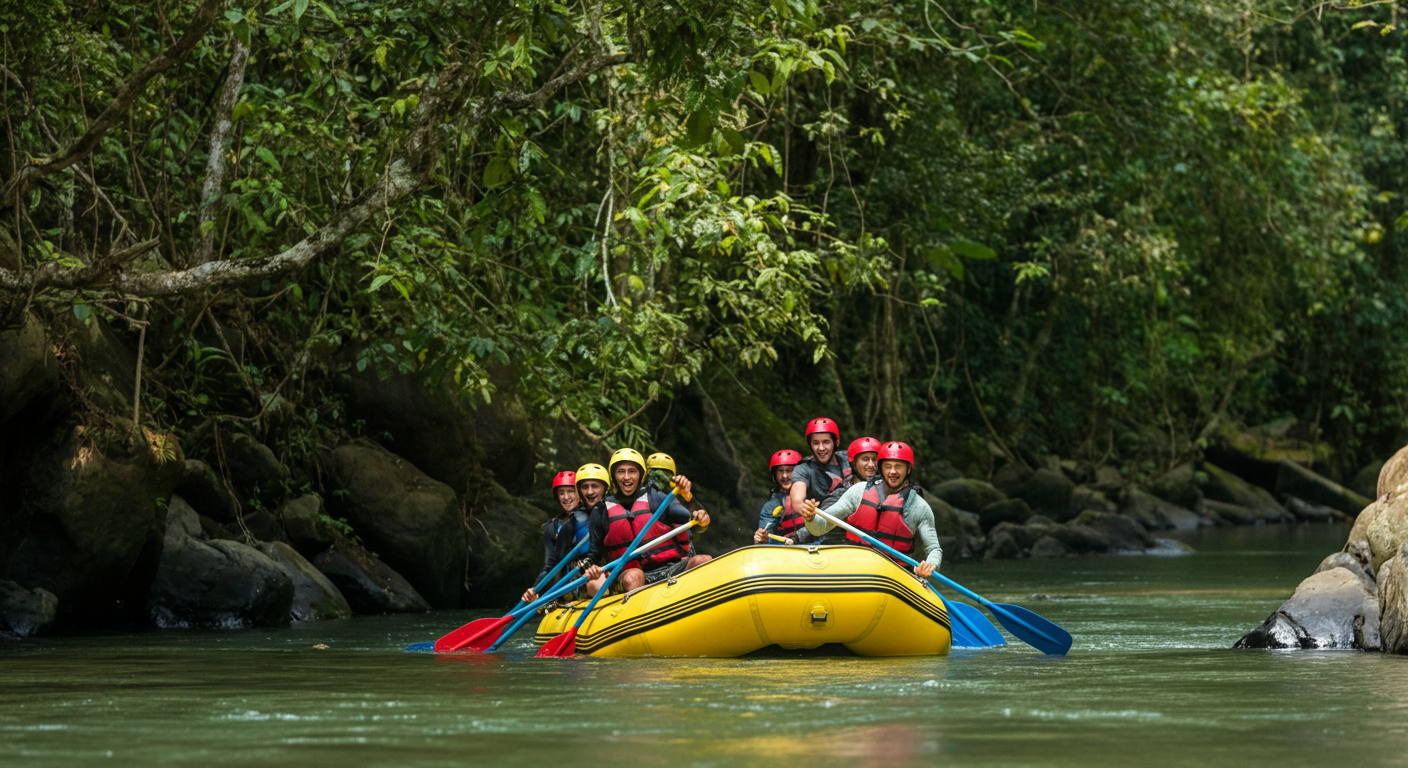
Ziplining in Costa Rica is more than just an amusement park ride; it's a historical and ecological journey. The concept of the canopy tour was actually born here in the 1970s when scientists were looking for a way to study the complex treetop ecosystem without disturbing it. This scientific tool evolved into the global adventure phenomenon we know today, and Costa Rica remains the gold standard. What makes it so special here is the sheer quality and diversity of the environments you fly through. You aren't just zipping between two poles; you are traversing a living, breathing world. The feeling of gliding hundreds of feet above the forest floor, with toucans flying beside you and the roar of howler monkeys echoing from below, is an experience that connects you directly to the Pura Vida spirit. It's a moment of pure, unadulterated freedom and awe, offering a perspective on nature you simply can't get anywhere else.The Best Ziplining Locations: Monteverde vs. Arenal vs. Manuel Antonio
Choosing where to zipline can be tough, as each location offers a unique flavor. The Gidly team has tested them all, and here’s our breakdown. Monteverde is the classic choice, famous for its mystical cloud forest setting. The ziplines here are often longer and higher, and the experience includes the thrilling possibility of zipping right through a cloud. It feels wild and remote. Arenal, on the other hand, provides the "wow" factor of epic volcano views. On a clear day, soaring with the majestic Arenal Volcano as your backdrop is an unbeatable photo opportunity. The parks here are often slick and modern, with a wide range of combo activities. Manuel Antonio offers a third, fantastic option: ziplining with ocean views. Here, the lush rainforest tumbles down to meet the sparkling Pacific, and you'll get glimpses of the coastline between zips. It's an amazing way to combine a jungle and beach experience.| Location | Scenery | Best For | Gidly's Top Park Pick |
|---|---|---|---|
| Monteverde | Misty Cloud Forest, Deep Canyons | Thrill-seekers, Long/High Lines | Selvatura Park |
| Arenal / La Fortuna | Arenal Volcano, Rainforest | Volcano Views, Modern Parks | Sky Adventures Arenal |
| Manuel Antonio | Rainforest & Pacific Ocean Views | Combining Jungle & Beach Thrills | El Santuario Canopy Adventure |
Gidly's Top Pick: A Deep Dive into the Sky Adventures Arenal Experience
For the ultimate combination of thrills, views, and professionalism, our team's top pick is the Sky Trek canopy tour at Sky Adventures Arenal Park. The experience begins with a scenic open-air gondola ride called the Sky Tram, which slowly carries you up the mountain. This isn't just transport; it's a fantastic wildlife-spotting opportunity, and the panoramic views of Lake Arenal and the volcano are breathtaking. At the top, you arrive at the first platform, where the energy is palpable. The guides, who are incredibly professional and charismatic, give a thorough safety briefing and get you fitted into your high-quality gear. The course consists of 7 ziplines that zigzag down the mountain, reaching speeds of up to 40 mph (65 km/h) and stretching as long as 2,500 feet (760 meters). The feeling of launching from the platform with the volcano looming in the distance is something you'll never forget. The lines are high, fast, and incredibly scenic, taking you over canyons and deep into the rainforest canopy. The whole operation runs like a well-oiled machine, ensuring maximum fun with uncompromising safety.What to Expect: Safety Briefings, 'Superman' Lines, and Tarzan Swings
Your safety is the number one priority at any reputable zipline park in Costa Rica. Every tour begins with a detailed briefing where guides demonstrate how to position your body, how to hold the handlebar, and how to use the hand-braking system (though many modern parks now have automatic braking systems). You'll be fitted with a harness, a helmet, and thick leather gloves. The guides will double-check every strap and clip before you're allowed near a platform. Once on the course, you'll find most parks offer more than just standard ziplining. Many feature a "Superman" line, where you're strapped into a special harness face-down, allowing you to fly head-first like a superhero – it’s an exhilarating sensation! Another common feature is the "Tarzan Swing," a giant rope swing that sends you soaring in a massive arc over a canyon. It’s a pure adrenaline drop that will have you screaming with delight (or terror!). These add-ons elevate the experience from a simple tour to a full-on adventure course.Insider Tip: Booking a Tour with Included Wildlife Spotting
To get the most out of your canopy adventure, look for combo tours that pair ziplining with a guided nature walk or a tour on the hanging bridges. While ziplining is fantastic for seeing the forest from above, its speed isn't ideal for spotting wildlife. Many animals, like sloths, vipers, and poison-dart frogs, are masters of camouflage and require a trained eye to find. By booking a package, you can spend the morning getting your adrenaline fix and the afternoon on a slow-paced walk with a naturalist guide. Parks like Sky Adventures and Selvatura offer these combos. The guide will carry a high-powered spotting scope, allowing you to get incredible, close-up views of animals you would have zipped right past. This combination provides the perfect balance of thrill and tranquility, giving you a complete picture of the Costa Rican rainforest, from its thrilling heights to its hidden inhabitants.2. White-Water Rafting: Conquer the Pacuare & Other Wild Rivers
Choosing Your Challenge: A Guide to River Classes (II to V)
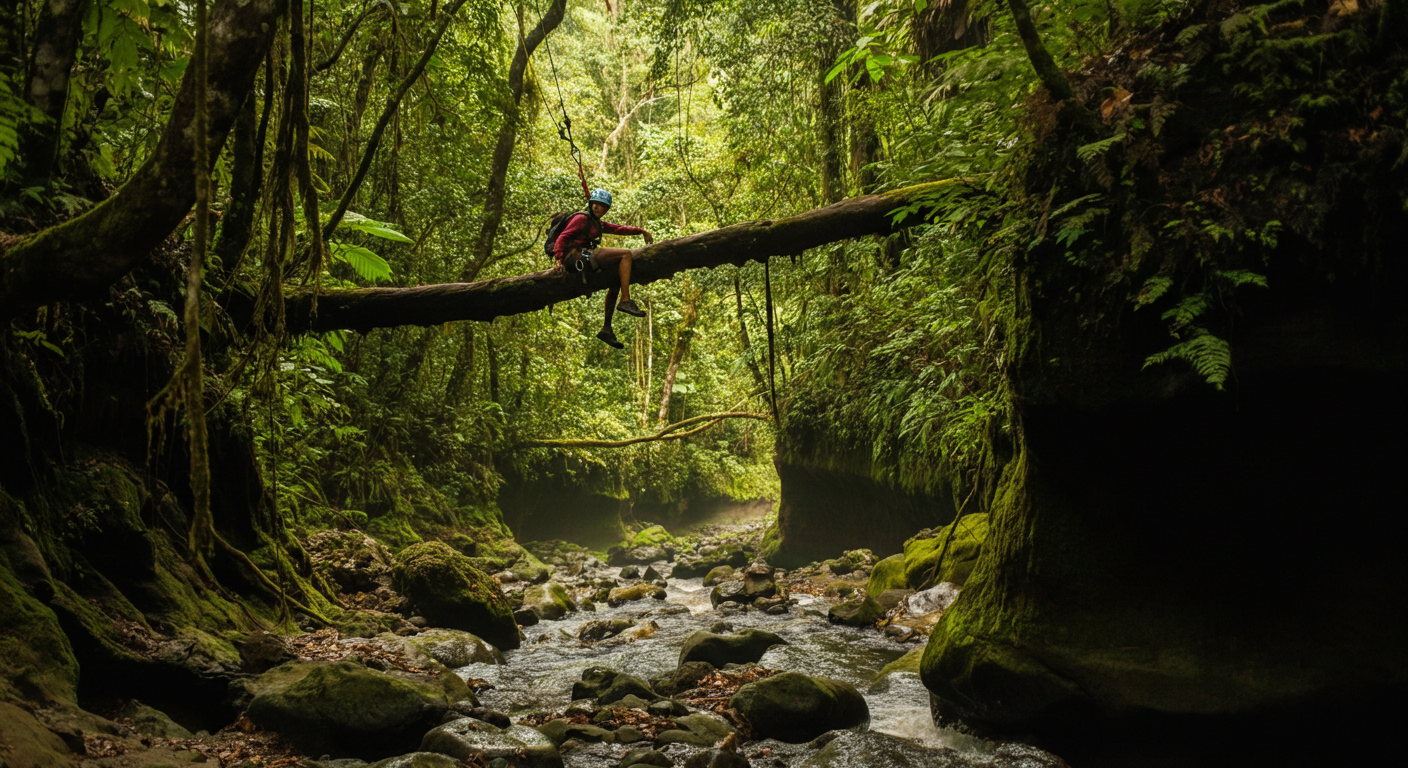
Understanding the international scale of river difficulty is key to picking the right trip and ensuring you have a great (and safe) time. Costa Rican rivers offer the full spectrum. Here's a quick Gidly breakdown:- Class I: Basically a float trip. Moving water with small ripples. Perfect for wildlife spotting and very young children.
- Class II: The "family-friendly" adventure class. You'll find straightforward rapids with small waves that will get you splashed. It's fun and bouncy without being intimidating. The Sarapiquí River has great Class II sections.
- Class III: This is the sweet spot for most first-time and intermediate rafters. It's considered "exciting" with irregular waves, strong eddies, and narrow passages that require good maneuvering. You'll need to paddle hard and follow your guide's commands. The Pacuare and Sarapiquí have fantastic Class III stretches.
- Class IV: Now we're in "advanced" territory. These are intense, powerful, and predictable rapids requiring precise boat handling. Expect big waves, unavoidable obstacles, and a real possibility of a swim. This is for adventurous, physically fit individuals. The Pacuare's upper sections and the Naranjo River at high water are prime examples.
- Class V: "Expert" level. These are long, violent rapids with complex, demanding routes. They are for experienced rafters in top physical condition. These trips are not always commercially available and depend heavily on water levels.
Costa Rica's Top 3 Rafting Rivers: Pacuare, Sarapiquí, and Naranjo
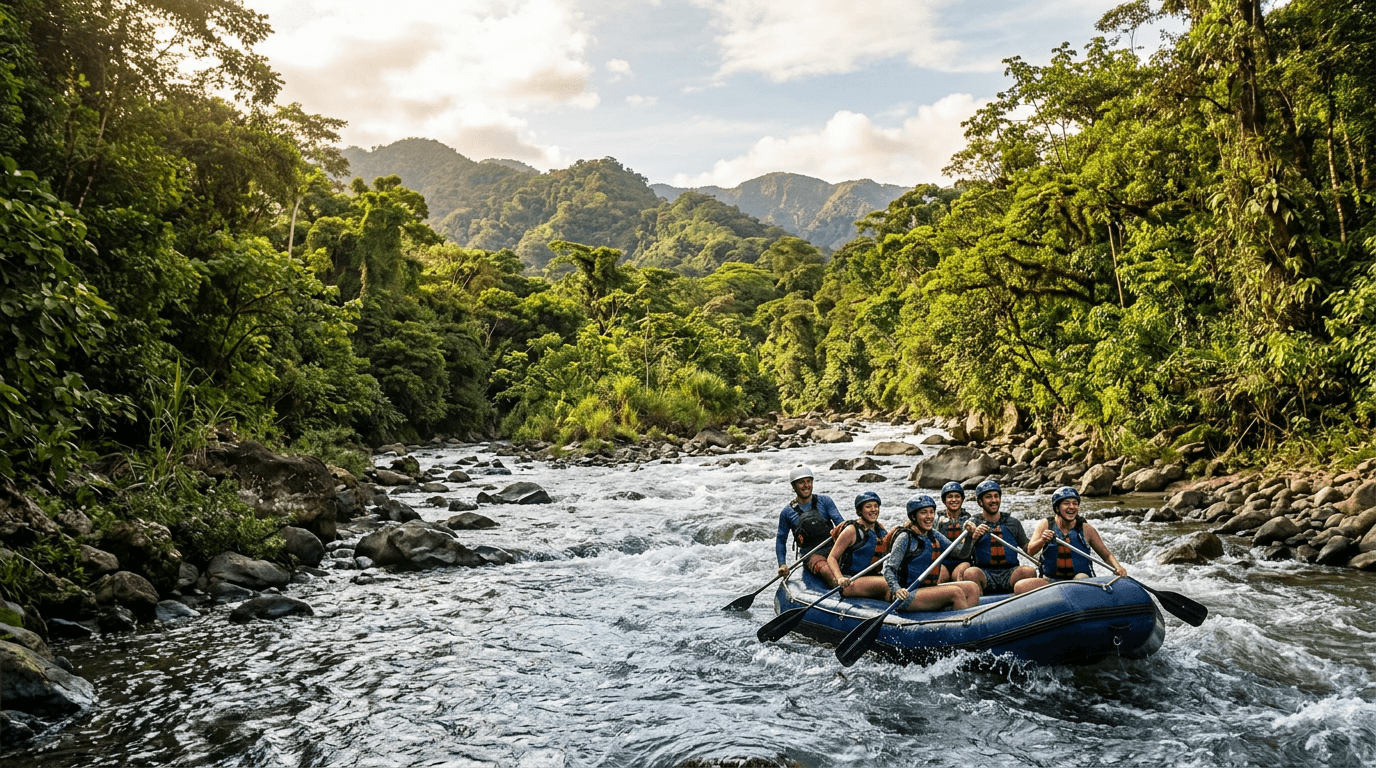
While there are many rivers to raft, three stand out as the titans of Costa Rican white-water. The undisputed king is the Pacuare River, consistently ranked among the top five rafting rivers in the world by National Geographic. Its beauty is simply staggering. You'll paddle through a pristine primary rainforest gorge, past cascading waterfalls and indigenous Cabécar communities. It's best experienced as an overnight trip, staying at a remote riverside eco-lodge, which is a magical experience. The Sarapiquí River, near La Fortuna, is the most versatile. It offers everything from gentle Class II floats to thrilling Class III-IV sections, making it perfect for day trips. It’s incredibly convenient and a fantastic introduction to rafting. Finally, the Naranjo River, near Manuel Antonio and Quepos, is a seasonal powerhouse. During the green season (May-Nov), it becomes a short, intense, and technical Class IV blast. It’s a non-stop "pista" (race track) of rapids, perfect for a half-day adrenaline shot.The Ultimate Travel Hack: Rafting from San José to La Fortuna or Puerto Viejo
This is one of Gidly’s favorite insider tips for efficient and adventurous travel. Several rafting companies, particularly those running the Pacuare and Sarapiquí rivers, offer "adventure connection" trips. Here’s how it works: the company picks you up from your hotel in San José in the morning. They drive you to the river put-in, where your luggage is securely stored. You then spend the day rafting an incredible stretch of river, including a riverside lunch. After the take-out, you change into dry clothes, and instead of driving you back to San José, their shuttle takes you on to your next destination, typically La Fortuna (Arenal's main town) or Puerto Viejo on the Caribbean coast. This brilliant hack turns a boring travel day into one of the most exciting days of your trip, saving you both time and the cost of a separate shuttle. It's the most thrilling "taxi" ride you'll ever take.Is it Safe? Vetting Tour Guides and Understanding Safety Protocols
Yes, commercial rafting in Costa Rica is very safe, provided you go with a reputable, certified company. Your life is literally in your guide's hands, so vetting your operator is crucial. Look for companies that are certified by the Costa Rican Tourism Board (ICT). Read recent reviews on platforms like Gidly or TripAdvisor, paying attention to comments on safety. Before your trip, the guides should give a comprehensive safety talk, covering paddle commands, what to do if you fall out (float on your back, feet first!), and how to help pull someone back into the raft. Every commercial trip should have at least one "safety kayaker" who paddles ahead, checking the rapids and acting as a mobile rescue unit. They are incredibly skilled and a key part of the safety system. Don't be afraid to ask about their guide certification and years of experience. A professional company will be proud to share this information.Gidly Data Insights: Most Popular Rafting Trips for Couples vs. Groups
Based on thousands of bookings on Gidly, we've noticed clear trends in rafting choices. Couples overwhelmingly gravitate towards the Pacuare River Overnight trip. The combination of shared adventure, stunning scenery, and a romantic night at a secluded jungle eco-lodge with candlelit dinners makes it an unforgettable bonding experience. It’s the perfect blend of thrill and intimacy. On the other hand, large groups of friends, like bachelor parties or college break travelers, tend to book the Upper Sarapiquí (Class III-IV) or the Naranjo River (Class IV) day trips. These tours maximize adrenaline and social fun in a concentrated, high-energy half-day. The continuous, challenging rapids create a strong sense of teamwork and shared accomplishment, often followed by celebratory beers back at the rafting base.3. Surfing: Ride the Waves on Two Coasts
Surfing is woven into the very fabric of Costa Rica's coastal culture, a daily ritual for locals and a bucket-list item for travelers. With over 700 miles of coastline spread across the Pacific and Caribbean, the country is blessed with an incredible diversity of waves, from gentle, rolling peelers perfect for your first lesson to powerful, hollow barrels that challenge the most seasoned pros. The warm water (no wetsuit needed!), consistent swells, and laid-back "Pura Vida" surf towns create an idyllic setting to get on a board. Whether you're a complete novice hoping to stand up for the first time or an expert chasing a legendary break, Costa Rica has a wave with your name on it.Beginner's Paradise: Why Tamarindo and Nosara are Perfect for Your First Lesson
If you've ever dreamed of learning to surf, Costa Rica's Pacific coast is the place to do it. The town of Tamarindo in Guanacaste is arguably the most popular spot for beginners. Its large, sandy-bottomed bay offers gentle, predictable waves that are ideal for learning. The main beach break is long and forgiving, giving you plenty of space and time to practice popping up. Plus, the town is packed with excellent surf schools and instructors. A little further south on the Nicoya Peninsula, Nosara (specifically Playa Guiones) offers another fantastic learning environment. The beach is a massive, seven-kilometer stretch of sand, meaning it never feels crowded in the water. The waves are incredibly consistent, breaking cleanly over a sand bottom, and it's a great place to progress from whitewash to green waves. Nosara also has a strong wellness and yoga culture, making it a perfect place to combine your surf journey with a focus on health and mindfulness.For Experienced Surfers: Chasing Breaks in Santa Teresa, Pavones, and Salsa Brava
Costa Rica is a playground for experienced surfers. On the Nicoya Peninsula, Santa Teresa and Mal País offer a variety of fast, powerful beach breaks and point breaks that work on different tides and swells, providing options almost every day. The vibe is trendy and bohemian, attracting a global crowd of skilled surfers. For the true pilgrimage, head south to Pavones, near the Panamanian border. This remote village is home to one of the longest left-hand point breaks in the world. When a big south swell hits, you can ride a single wave for over half a mile—a leg-burning, life-changing experience. On the other side of the country, the Caribbean coast has its own gem: Salsa Brava in Puerto Viejo. This is Costa Rica's heaviest wave, a powerful, shallow reef break that produces thick, Hawaiian-style barrels. It's for experts only and is a true test of skill and nerve.What's a Surf Camp Really Like? A Day in the Life Itinerary
Immersing yourself in a week-long surf camp is the fastest way to improve your skills. It's a lifestyle of "eat, sleep, surf, repeat" in the best possible way. Here’s what a typical day at a camp like Witch's Rock Surf Camp in Tamarindo looks like:- 6:00 AM: Wake up, grab a coffee and a banana. Check the waves from the beachfront.
- 6:30 AM - 8:30 AM: Dawn patrol surf session. Your instructor joins you in the water, giving real-time feedback on wave selection and technique. The morning light is beautiful, and the winds are calm.
- 9:00 AM: Big post-surf breakfast. Gallo pinto, eggs, fresh fruit, and more coffee. You've earned it.
- 11:00 AM - 1:00 PM: Classroom time or video analysis. You'll review footage from the morning session to see what you're doing right and wrong, or learn about surf theory, forecasting, and etiquette.
- 1:00 PM - 3:00 PM: Lunch and siesta. Rest and recharge for the afternoon. Maybe a quick dip in the pool.
- 3:30 PM - 5:30 PM: Sunset surf session. The tide has changed, offering a different kind of wave. This session is often about putting the morning's theory into practice. Surfing as the sun dips into the Pacific is pure magic.
- 7:00 PM: Group dinner with fellow campers and instructors, sharing stories from the day's waves.
Cost Breakdown: Private Lessons vs. Group Classes vs. Full-Week Camps
The cost of your surfing adventure can vary greatly depending on the level of instruction and immersion you choose. A single group lesson is the most budget-friendly way to get your feet wet, but you'll get less individual attention. A private lesson costs more but offers one-on-one coaching that can rapidly accelerate your learning curve. A full-week camp is the biggest investment but offers the best value and the most comprehensive experience, often including accommodation, meals, multiple lessons, and equipment.| Surf Option | Average Cost (USD) | Best For | Pros & Cons |
|---|---|---|---|
| 2-Hour Group Lesson | $45 - $65 | Curious First-Timers | Pro: Affordable. Con: Less personal feedback. |
| 2-Hour Private Lesson | $80 - $120 | Serious Beginners | Pro: Personalized coaching. Con: Higher cost per hour. |
| 7-Day Surf Camp | $1,200 - $2,500+ | Rapid Progression & Immersion | Pro: Best value, total immersion. Con: Requires a week-long commitment. |
Pro Tip: Understanding Tides and Swells for the Perfect Session
To move beyond the beginner stage, you need to start thinking like the ocean. Tides are critical: some breaks, like beach breaks, work best at mid-to-high tide when there's more water over the sandbars. Other spots, like point breaks, need a lower tide to work properly. A tide chart will become your best friend. Swell is the energy created by storms far out at sea that travels to the coast and becomes waves. A surf forecast from a site like Surfline will tell you the swell's size (height), period (time between waves; a longer period means more powerful waves), and direction. For example, Pavones only works on a strong Southern Hemisphere swell. Learning to read these reports allows you to predict when and where the best waves will be, ensuring you score the best possible conditions during your trip.4. Volcano Hiking & Hot Springs: Experience Earth, Fire, and Water
Costa Rica is located on the Pacific Ring of Fire, and its volcanic spine is the source of much of the country's dramatic scenery and fertile land. Hiking around these magnificent giants is a powerful experience, connecting you to the raw geological forces that shaped the nation. The adventure ranges from gentle walks on old lava flows to strenuous treks up steep slopes. And the perfect reward after a long day of hiking? Soaking your tired muscles in the naturally heated, mineral-rich thermal waters that bubble up from the Earth's core. This classic combination of a volcano hike followed by a hot springs dip is a quintessential Costa Rican experience, blending exertion with ultimate relaxation.Arenal Volcano National Park: Best Trails, Viewpoints, and Park History
Arenal is Costa Rica's most famous volcano, a perfectly conical giant that looms over the town of La Fortuna. After a surprise eruption in 1968, it was the country's most active volcano for over 40 years, frequently putting on spectacular shows of lava and ash. While it entered a dormant phase around 2010, its presence is still awe-inspiring. Inside Arenal Volcano National Park, the main trails don't go up the volcano itself for safety reasons, but they offer incredible perspectives. The "Sendero Coladas 1968" trail takes you across the barren, black lava fields from the '68 eruption, a stark and beautiful landscape. Another popular trail, "Los Tucanes," winds through the rainforest on the volcano's flank, offering chances to see wildlife against the volcanic backdrop. For the best photos, our team recommends the Arenal 1968 viewpoint or the Mirador El Silencio, a private reserve with trails leading to a stunning lookout point, especially beautiful at sunset.Rincón de la Vieja: The Ultimate All-in-One Volcanic Adventure Park
While Arenal is the iconic cone, Rincón de la Vieja National Park in Guanacaste offers a more interactive and diverse volcanic experience. The park is a massive caldera complex with nine volcanic craters. The main attraction is the "Las Pailas" (The Cauldrons) trail, a 2-mile loop that feels like a journey to a prehistoric world. You'll walk past steaming fumaroles, bubbling volcanic mud pots, mini-geysers, and pools of milky water smelling faintly of sulfur. It’s a fascinating and sensory display of the geothermal activity happening just beneath your feet. Many of the lodges and hotels surrounding the park, like Hacienda Guachipelin, have leveraged this geothermal energy to create their own hot springs and mud baths. They also offer a full menu of adventures, including canyoning, tubing, and horseback riding, making Rincón de la Vieja a fantastic all-in-one destination for volcanic thrills.Day Trips from San José: Hiking Poás and Irazú Volcanoes
If you're based in the Central Valley, two of Costa Rica's most impressive volcanoes are easily accessible as day trips from San José. Poás Volcano is famous for having one of the largest active craters in the world, over a mile wide, with a stunning, acidic crater lake that changes color from turquoise to milky grey. The park has a very accessible, paved path leading to the main crater viewpoint. Further east, Irazú Volcano is Costa Rica's tallest, and on a perfectly clear day, it's possible to see both the Pacific Ocean and the Caribbean Sea from its summit. Its main crater contains a mesmerizing, mineral-tinted green lake, and the surrounding landscape is stark and lunar-like.Why You Absolutely Need a Guide for Most Volcano Trails
While some main trails like Las Pailas at Rincón or the entrance to Poás are self-guided, hiring a naturalist guide for most other hikes is one of the best investments you can make. On a trail in Arenal Volcano National Park, you might just see trees and black rocks. With a guide, you'll see eyelash vipers camouflaged on leaves, learn how pioneer plant species are colonizing the old lava flows, and understand the complex history of the volcano's activity. They carry spotting scopes for wildlife viewing and are trained in first aid and safety. For more strenuous, off-the-beaten-path hikes like the challenging trek to Cerro Chato (Arenal's dormant sister volcano, when accessible), a guide isn't just a good idea—it's essential for navigation and safety. They transform a simple walk into a rich educational experience.The Ultimate Reward: Pairing Your Hike with a Natural Hot Springs Soak
There is no better feeling than sinking into a warm, mineral-rich hot spring after a day of hiking. The geothermal activity from the volcanoes heats groundwater, which then emerges in rivers and pools. The Arenal area is the epicenter of this, with over a dozen hot spring resorts. They range from the incredibly luxurious, like the beautifully landscaped pools at Tabacón Thermal Resort & Spa, to the family-fun atmosphere of Baldi Hot Springs with its massive water slides. For a more intimate and natural experience, our Gidly team loves EcoTermales Fortuna, which is smaller and locally owned. And for the budget-conscious traveler, there's a "free" hot spring—a section of the Tabacón River just outside the resort's property where locals and travelers gather to soak in the warm waters. It's a truly authentic Costa Rican experience.5. Canyoning & Waterfall Rappelling: Descend into the Heart of the Jungle
For a full-body immersion into the Costa Rican jungle, nothing beats canyoning, also known as waterfall rappelling. This thrilling sport takes you deep into the rainforest's hidden gorges, where you'll descend a series of spectacular tropical waterfalls. It's an exhilarating combination of hiking, scrambling, and controlled rappels that gets your heart pounding and your senses firing on all cylinders. You'll feel the raw power of the water rushing past you, see the vibrant green of the moss-covered canyon walls up close, and hear the amplified sounds of the jungle. It’s one of the most unique and unforgettable ways to experience the country’s natural water parks, turning the landscape into your personal playground.What Exactly is Canyoning? A Beginner's Guide to the Thrills
Canyoning (or canyoneering) is the sport of navigating down a canyon or gorge. In Costa Rica, this almost always involves water. A typical tour starts with a 4x4 ride up into the mountains, followed by a short hike to the head of the canyon. After a thorough safety briefing and getting geared up in a harness, helmet, and gloves, you're ready for the first descent. Your guides will have secured ropes to anchors at the top of a waterfall. You'll learn how to control your speed of descent by feeding the rope through your rappel device, essentially "walking" backwards down the face of the waterfall. Between the main rappels, you might scramble over rocks, wade through river pools, or even do some small cliff jumps into deep water. It’s a multi-stage adventure that requires your full attention and provides a massive sense of accomplishment when you reach the bottom of the canyon.The Best Spots for Waterfall Rappelling near La Fortuna and Turrialba
La Fortuna, the town at the base of the Arenal Volcano, is the undisputed capital of canyoning in Costa Rica. The area's steep, rainforest-covered hills are carved with countless canyons, making it the perfect terrain. Companies like Pure Trek Canyoning and Maquique Adventure have perfected the experience, offering tours that typically include four to five rappels, with the biggest one often exceeding 150 feet (45 meters). The logistics are seamless, the guides are experts, and the waterfalls are stunning. For those looking for a more off-the-beaten-path experience, the area around Turrialba offers some more rugged and less-visited canyoning options. This region is known for its powerful rivers and deep wilderness, and a canyoning trip here feels like a true expedition into the wild. It’s a great choice for travelers who have already experienced Arenal and are looking for the next level of adventure.Gidly Recommends: A Review of the La Leona Waterfall Adventure Tour
While not a traditional rappelling tour, the La Leona Waterfall Adventure near Rincón de la Vieja deserves a special mention for its unique take on canyon exploration. Our team absolutely loves this tour. It's less about vertical descents and more about horizontal navigation through a stunningly beautiful river canyon. You start by hiking through the dry forest before dropping into the Rio Blanco. From there, you'll spend the next few hours swimming through narrow passages of turquoise water, scrambling over rocks, pulling yourself along with ropes, and exploring small caves. The grand finale is reaching the spectacular La Leona waterfall, hidden away inside a cavern that you have to swim into. It's a fantastic, full-body workout and a visually breathtaking adventure that's suitable for most fitness levels. It feels like you've discovered a secret world straight out of an Indiana Jones movie.Safety First: What to Look for in a Reputable Canyoning Operator
Canyoning is an inherently risky activity, which makes choosing a professional and safety-conscious operator absolutely critical. Your number one priority should be vetting the company. Look for established operators with years of experience and a plethora of recent, positive reviews that specifically mention safety. A reputable company will use high-quality, well-maintained gear, including UIAA-certified ropes, harnesses, and helmets. The guides should be certified, experienced, and excellent communicators. During the safety briefing, they should clearly explain the techniques and have a system of checks and double-checks for every participant on every rappel. They should also have a low guide-to-client ratio to ensure everyone gets personal attention. Never, ever choose a canyoning tour based on price alone. Your safety is worth the extra cost of a top-tier operator.Capturing the Moment: How to Get Epic Photos Without Ruining Your Gear
You're going to want photos of this experience, but bringing a camera into a waterfall is tricky. The best and easiest option is a GoPro. A head mount or a chest mount ("Chesty") will give you a great first-person point of view and keep your hands free, which is essential for rappelling. Make sure it's securely attached! If you're bringing your phone, you absolutely must have a high-quality waterproof case (like a LifeProof or similar brand) and, just as importantly, a secure lanyard to wear around your neck. You will be using both hands and it's very easy to drop things. That said, the simplest solution is to just focus on the adventure and let the professionals handle the photos. Almost every canyoning company has a guide dedicated to taking pictures of you throughout the tour. The photo packages are usually very reasonably priced (around $20-30) and the quality is excellent. They know the best spots and angles to capture the most epic shots.6. ATV & Off-Road Tours: Explore Costa Rica’s Backcountry Trails
For those who want to cover a lot of ground and inject some horsepower into their jungle exploration, an ATV (All-Terrain Vehicle) tour is a fantastic option. These rugged four-wheelers give you the freedom to venture deep into Costa Rica’s backcountry, accessing remote waterfalls, hidden villages, and stunning viewpoints that are unreachable by regular car. It's a dusty, muddy, and thrilling way to see a different side of the country, navigating winding dirt roads, splashing through rivers, and climbing steep hills. Whether you're cruising along a deserted beach or powering through a rainforest trail, ATV tours offer a powerful sense of freedom and exploration.Jungle vs. Beach: Choosing Your Ideal ATV Scenery
Your ATV experience will vary dramatically based on the landscape you choose to explore. A jungle-focused tour, like those popular around La Fortuna or the mountains behind Jaco, is all about mud and lush greenery. You'll navigate technical trails under a dense canopy, cross rivers, and get thoroughly splattered. The reward is often arriving at a pristine, secluded waterfall where you can wash off the mud and take a refreshing swim. It's an immersive rainforest adventure. A beach-focused ATV tour, common in Guanacaste or along the Nicoya Peninsula, offers a different kind of thrill. Here, the experience is more about wide-open spaces and epic coastal views. You'll cruise along dirt roads that parallel the ocean, discover hidden coves and beaches, and often end the tour by watching a spectacular sunset over the Pacific. The choice comes down to personal preference: do you want the enclosed, technical challenge of the jungle or the expansive freedom of the coast?Top ATV Routes in Jaco, La Fortuna, and the Guanacaste Coast
Different regions offer signature ATV experiences. Jaco and the surrounding Central Pacific area are a great place for combo tours. The terrain allows you to ride up into the mountains for incredible panoramic views of the ocean, then descend through the rainforest to a waterfall, giving you the best of both worlds. In La Fortuna, the trails often circle the base of the Arenal Volcano, taking you through farmland and secondary forest to viewpoints of both the volcano and the lake. It's a great way to appreciate the scale of the region. The Guanacaste coast, particularly around Tamarindo and the Papagayo Peninsula, is famous for its "dry forest" trails. These tours often focus on beach hopping, connecting a series of beautiful and often deserted beaches via a network of rural backroads. This is the classic "sunset on the beach" ATV experience.Is it Eco-Friendly? How to Find Sustainable and Responsible ATV Tour Operators
The environmental impact of ATV tours is a valid concern. The noise can disturb wildlife, and irresponsible riding can lead to soil erosion and habitat damage. However, it is possible to have a responsible ATV adventure. The key is to choose your operator wisely. A sustainable company will have a clear environmental policy. They will use well-maintained, newer-model ATVs that are quieter and have lower emissions. Most importantly, they will strictly enforce a "stay on the trail" policy to prevent damage to the surrounding ecosystem. They often participate in local reforestation projects or community initiatives. Ask questions before you book: "What do you do to minimize your environmental impact?" A good operator will have a ready and confident answer. Avoid companies that seem to promote reckless, off-trail riding. By choosing responsibly, you support businesses that are actively working to make this adventure sustainable.What You Need to Know: Driver's License, Age Requirements, and What to Wear
Before you get your motor running, there are a few practicalities to keep in mind. As mentioned, a valid driver's license is non-negotiable for anyone who wants to drive their own ATV. The minimum age to drive is typically 16, though some companies may require drivers to be 18. Passengers can usually be younger, but check with the company for their specific age limits. What to wear is crucial for both comfort and safety.- Closed-toe shoes are mandatory. Sneakers or light hiking shoes are perfect. No sandals or flip-flops.
- Clothes you can ruin. You will get dirty. You will get muddy. You might get soaked. Wear old shorts and a t-shirt or quick-dry athletic wear.
- Sunglasses and a bandana. The sunglasses protect your eyes from dust and debris. A bandana or buff to wear over your nose and mouth is a lifesaver on dusty trails.
- Sunscreen and insect repellent. Apply generously before you start the tour.
7. Hanging Bridges & Wildlife Spotting: A Walk in the Treetops
A walk on Costa Rica's famed hanging bridges offers a unique and serene way to experience the magic of the rainforest canopy. These incredible structures, a series of suspension bridges connected by trails, lift you out of the dark understory and into the vibrant, sun-drenched world of the treetops. This is where a huge percentage of the jungle's life exists—monkeys, sloths, toucans, and countless other birds and insects. It’s a gentle adventure, accessible to nearly all ages and fitness levels, that provides a completely different perspective on the forest. It’s less about adrenaline and more about quiet observation, immersion, and the thrill of spotting elusive wildlife in its natural habitat.Mistico Park vs. Selvatura Park: A Head-to-Head Comparison
The two most famous hanging bridge parks in Costa Rica are Mistico Arenal Hanging Bridges Park near La Fortuna and Selvatura Park in Monteverde. While both offer a fantastic treetop experience, they have distinct characteristics. Mistico Park is known for its spectacular views of the Arenal Volcano and its well-maintained, accessible trails, parts of which are even wheelchair-friendly. The bridges are impressive, and the park is expertly laid out for wildlife viewing. Selvatura Park, deep in the cloud forest of Monteverde, offers a wilder, more atmospheric experience. The bridges here often feel higher and are frequently shrouded in the mist that gives the cloud forest its name. It feels more like an immersion in a primordial world.| Feature | Mistico Arenal Hanging Bridges | Selvatura Park Hanging Bridges |
|---|---|---|
| Location | La Fortuna (Arenal) | Monteverde |
| Signature View | Arenal Volcano | Misty Cloud Forest Canopy |
| Vibe | Polished, Accessible, Scenic | Wild, Atmospheric, Immersive |
| Trail Difficulty | Easy, partially paved | Moderate, more natural trails |
| Total Bridge Length | Approx. 2.5 miles (4 km) of trails | Approx. 1.9 miles (3 km) of trails |
| Gidly's Take | Best for families, photographers, and those seeking volcano views. | Best for those wanting an authentic, misty cloud forest experience. |
Why a Guide is Worth the Money for Spotting Elusive Wildlife
You can absolutely walk the hanging bridges on your own, but our team at Gidly cannot stress this enough: hire a guide. You will see ten times more wildlife with a guide than you will on your own. These local naturalists have spent years walking these trails. Their eyes and ears are trained to pick up the slightest movement or sound. They can spot a well-camouflaged eyelash viper coiled on a leaf, a stick insect perfectly mimicking a twig, or a sloth that looks exactly like a clump of dead leaves from a distance. More importantly, they all carry a high-powered spotting scope. Seeing a Resplendent Quetzal or the intricate details of an orchid through a scope is infinitely more rewarding than just seeing a speck of color from afar. A guide transforms a pleasant walk into a captivating biology lesson, making the forest come alive. The cost (usually around $25-35 extra per person in a group tour) is the best value for money in Costa Rican tourism.Best for Photography: Tips for Capturing Stunning Treetop Views
The hanging bridges provide some of the most stunning photo opportunities in Costa Rica. To make the most of them, go early. The 7:30 or 8:00 AM entrance time slots will give you the softest light, fewer crowds, and more active wildlife. When you're on a bridge, other people's footsteps will cause it to sway, creating motion blur in your photos. The trick is to wait for a quiet moment, stand still, plant your feet wide, and gently brace yourself against the handrails to stabilize your shot. A polarizing filter can be a huge help to cut through the jungle glare and make the greens pop. For wildlife, a telephoto or zoom lens is your best friend. If you're using a phone, don't be afraid to use the zoom, but also consider getting a clip-on telephoto lens for better quality. And remember to take photos of the bridges themselves—their scale against the massive trees is often just as impressive as the wildlife.Combining Hanging Bridges with Other Activities in a Combo Tour
Most parks that offer hanging bridges are multi-activity adventure centers, and booking a combo package is a smart way to save both time and money. For example, at Selvatura Park, you can combine your treetop walk with their thrilling zipline course, a visit to their incredible hummingbird garden, or their reptile and amphibian exhibit. At Mistico Park, combo deals often include guided walks and opportunities to explore other parts of their private reserve. In the Arenal area, you'll frequently find combo tours that package a morning at the hanging bridges with an afternoon hike in the national park and an evening at the hot springs. These "best of" packages are designed to give you a full day of varied experiences, handling all the logistics and transportation so you can just focus on the fun. Check out the options on Gidly to see which combo pack best fits your adventure style.Your Adventure, Your Way: Adventures by Travel Scenario
The best adventure is the one that’s right for *you*. Costa Rica's genius lies in its ability to cater to every type of traveler. The definition of "adventure" changes whether you're on a honeymoon, wrangling young kids, road-tripping with friends, or exploring on your own. Understanding your travel style is key to crafting the perfect itinerary. Here, we break down our top Gidly-approved picks for every scenario, ensuring your adventure is not just thrilling, but also perfectly suited to your crew.For Couples & Romance: Sunset Catamaran Tours, Private Waterfall Hikes, and Couples' Surf Lessons
Costa Rica is an incredibly romantic destination, where adventure can be a powerful way to connect. For pure bliss, a sunset catamaran tour from the Guanacaste or Manuel Antonio coast is unbeatable. You'll sail along the scenic coastline, snorkel in a quiet bay, and then watch the sun dip into the Pacific with a cocktail in hand—it’s pure magic. For a more intimate adventure, hire a private guide for a hike to a lesser-known waterfall. You can go at your own pace and enjoy a swim in a pristine pool without the crowds. Another fantastic bonding experience is a private surf lesson for two. Learning a new skill together, laughing as you both tumble off the board, and cheering when one of you catches that perfect wave creates a shared memory that lasts a lifetime. The focus for couples should be on private or small-group experiences that allow for quiet moments in spectacular settings.For Families with Kids: Gentle River Floats, Junior Ziplines, and Guided Walks in Curi-Cancha Reserve
Traveling with children? Costa Rica is a giant natural playground. Safety and accessibility are key. Instead of intense white-water rafting, opt for a gentle "safari float" on a Class I river like the Peñas Blancas near Arenal. You'll sit back in the raft while a guide does the paddling, pointing out monkeys, iguanas, and caimans along the riverbank. It’s all the wildlife with none of the scary rapids. Many major zipline parks now offer "junior" or tamer courses for younger kids, so they can experience the thrill in a safe, controlled environment. For wildlife spotting, skip the long, strenuous hikes and head to a place like the Curi-Cancha Reserve in Monteverde. Its wide, flat trails are perfect for little legs, and it’s one of the best places in the country to spot the magnificent Resplendent Quetzal (in season). Chocolate and coffee tours are also a huge hit with families, offering interactive and delicious fun.For Groups of Friends: White-Water Rafting Trips, Group Surf Camps, and ATV Convoys
Adventure is often best shared with friends, and Costa Rica offers plenty of activities where the energy of the group enhances the fun. A Class III-IV white-water rafting trip is the ultimate group bonding experience. You have to work together as a team to navigate the rapids, and the shared adrenaline and post-trip celebrations are legendary. Booking a week at a surf camp in a lively town like Tamarindo or Santa Teresa is another fantastic option. You’ll learn to surf together during the day and enjoy the vibrant nightlife together in the evenings. For a high-octane day, an ATV tour is perfect for a group. Riding in a convoy, splashing each other with mud, and racing to a scenic viewpoint creates a fun, competitive, and social atmosphere. Party-style catamaran cruises, with music, an open bar, and a big group of fellow travelers, are also a guaranteed good time.For Solo Travelers: Joining Group Hikes, Social Surf Camps, and Yoga/Adventure Retreats
Costa Rica is exceptionally welcoming and easy to navigate for solo travelers. The key is to join group activities that have a built-in social component. Many hostels and tour operators organize group hikes to popular spots like the Cerro Chato volcano, where you can easily meet like-minded travelers. As mentioned for groups, surf camps are a solo traveler's dream. You are instantly part of a community, sharing meals, lessons, and laughs with people from all over the world. Yoga and adventure retreats, especially popular in places like Nosara and Santa Teresa, are another excellent choice. These retreats combine daily activities like surfing or hiking with yoga and mindfulness sessions, attracting a friendly, open, and health-conscious crowd. Using tourist shuttles instead of renting a car is also a great way to meet other travelers on the road.Soft Adventures & Accessible Experiences: Thrills for Everyone
Adventure in Costa Rica isn't just for adrenaline junkies. The country excels at "soft adventures"—activities that offer deep immersion in nature without requiring extreme physical fitness or a high tolerance for risk. These experiences are perfect for families, older travelers, or anyone who simply prefers their thrills to be a bit more tranquil. Furthermore, Costa Rica is making significant strides in accessible tourism, ensuring that travelers with limited mobility can also experience the magic of its incredible biodiversity. There truly is an adventure for everyone.Guided Wildlife Hikes in Manuel Antonio National Park
Manuel Antonio National Park is the crown jewel of accessible wildlife viewing. Its main trails are wide, relatively flat, and incredibly rich in fauna. This is the best place in the country for almost guaranteed sightings of sloths, capuchin monkeys, howler monkeys, and squirrel monkeys. A guided tour here is essential. The guides are masters at spotting animals and carry scopes that bring the experience to life. You can spend a leisurely morning strolling through the forest, learning about the ecosystem, and then finish your day relaxing on the park’s stunning white-sand beaches, which are considered some of the most beautiful in the world. It’s a perfect, low-impact day packed with quintessential Costa Rican sights. The blend of easy trails, abundant wildlife, and gorgeous beaches makes it the ultimate soft adventure.Kayaking and Stand-Up Paddleboarding in Coastal Mangroves or Lake Arenal
Paddling is a wonderfully peaceful way to explore Costa Rica's waterways. On the coasts, guided kayak tours through mangrove estuaries, like the one at Damas Island near Manuel Antonio, are a must-do. You'll glide silently through the maze-like channels, getting up close to the unique ecosystem where fresh and saltwater meet. It’s a birdwatcher's paradise, and you're likely to see the mangrove boa and troops of white-faced monkeys that come down to the water's edge. For a freshwater experience with epic scenery, kayaking or stand-up paddleboarding (SUP) on Lake Arenal is spectacular. Paddling on the calm waters with the magnificent Arenal Volcano as your constant backdrop is a serene and awe-inspiring experience. These tours are suitable for all skill levels and offer a great upper-body workout combined with top-tier sightseeing.Horseback Riding to Waterfalls (Nauyaca) and Along Beaches (Nosara)
Exploring Costa Rica on horseback hearkens back to a simpler time and allows you to connect with the landscape in a rustic, charming way. One of the most famous equestrian adventures is the ride to the Nauyaca Waterfalls on the southern Pacific coast. You'll ride through farmland and jungle, culminating in a visit to one of the country's most spectacular two-tiered waterfalls, where you can swim in the massive natural pool. It's a full-day adventure that feels truly authentic. For a classic romantic or family-friendly outing, a sunset horseback ride along the beach is hard to beat. In places like Nosara or Santa Teresa, you can canter along the sand as the sky explodes in color, creating a picture-perfect vacation memory. Tour operators cater to all levels, from first-time riders to experienced equestrians, ensuring a safe and enjoyable journey.The Magic of Guided Night Walks: Discovering Nocturnal Creatures
When the sun sets, a completely different side of the rainforest awakens. A guided night walk is a truly magical and eye-opening experience that reveals the secret lives of Costa Rica's nocturnal creatures. Armed with flashlights, you and your guide will explore the trails in search of red-eyed tree frogs, camouflaged glass frogs, sleeping birds, colorful snakes, and bizarre-looking insects. You might even spot larger mammals like kinkajous, opossums, or the occasional ocelot. The sounds of the jungle are completely different at night—a symphony of chirps, clicks, and calls. It’s a slightly spooky, incredibly fascinating adventure that highlights the incredible biodiversity hiding just out of sight during the day. These tours are offered in most major destinations, with Monteverde and La Fortuna being particularly famous for them.Accessibility in Adventure: Finding Tours for Travelers with Limited Mobility
Costa Rica is actively working to become a more accessible destination. While the rugged terrain presents challenges, several parks and tour operators are leading the way. The "Sendero de los Sentidos" (Sensory Trail) in Carara National Park is a fully universal-access trail, designed for wheelchairs. Mistico Arenal Hanging Bridges Park has also made a significant portion of its trail system accessible. For booking and planning, specialized local travel agencies like Costa Rica For All and Il Viaggio Travel are invaluable resources. They have deep knowledge of accessible hotels, transportation, and tours. They can arrange things like beach wheelchairs or adaptive equipment for activities like ziplining, ensuring that everyone, regardless of physical ability, has the chance to experience the Pura Vida adventure.The Adventure Hubs: A Region-by-Region Breakdown
To plan the perfect adventure trip, it helps to think of Costa Rica not as one big destination, but as a collection of distinct adventure hubs, each with its own personality and menu of activities. While you can find thrills almost anywhere, concentrating your time in one or two of these key regions allows you to go deeper and minimize travel time. Here’s Gidly’s guide to the major players and what makes each of them unique.La Fortuna & Arenal: The Undisputed Adventure Capital of Costa Rica
If you only have time for one adventure base, La Fortuna is it. Nestled at the foot of the stunning Arenal Volcano, this town is a veritable smorgasbord of adrenaline. It offers world-class versions of nearly every signature Costa Rican adventure. You can spend a week here and do something completely different every day: ziplining with volcano views, white-water rafting on the Sarapiquí, canyoning down jungle waterfalls, hiking through lava fields, exploring the canopy on hanging bridges, and soaking in geothermal hot springs. The infrastructure is excellent, with a vast range of hotels, restaurants, and top-tier tour operators. Its central location also makes it a convenient connection point between the Central Valley and the northern coasts. The sheer density and quality of activities make Arenal the engine room of Costa Rican adventure tourism.Monteverde: Cloud Forests, Ziplines, and Rich Biodiversity
Perched high in the Tilarán mountain range, Monteverde is a world away from the sun-drenched coasts and volcanic plains. Its identity is defined by the mystical cloud forest—a rare and incredibly biodiverse ecosystem that is perpetually draped in mist. Adventure here is about immersion in this unique environment. Monteverde is one of the original homes of the canopy tour, and its ziplines are famous for being long, high, and offering the surreal experience of flying through a cloud. The hanging bridges, like those at Selvatura Park, provide a quieter way to explore the treetop world. It's also a hotspot for biodiversity. The Curi-Cancha Reserve is a prime location for birdwatching, especially for spotting the Resplendent Quetzal, and the guided night walks here are among the best in the country. The vibe is cooler, both in temperature and in its eco-conscious, mountain-town feel.Guanacaste (Tamarindo, Nosara): Surfing, Diving, and "Gold Coast" Fun
The northwestern province of Guanacaste is Costa Rica's "Gold Coast," known for its sunny weather, dry tropical forest, and stunning beaches. The adventure here is centered on the ocean. Tamarindo is the bustling hub, a vibrant surf town perfect for beginners learning to ride the waves and for those who enjoy a lively nightlife scene. Further south, Nosara offers world-class surf alongside a more laid-back, wellness-focused community. Beyond surfing, Guanacaste is the country's top spot for scuba diving and snorkeling, particularly around the Catalina and Bat Islands, where you can encounter giant manta rays, sharks, and huge schools of fish. Sunset catamaran sailing tours are a daily ritual, and the rugged interior provides excellent opportunities for ATV tours and horseback riding. It's the destination for sun-seekers who want their adventure with a side of beach relaxation.Manuel Antonio & The Central Pacific: Where the Rainforest Meets the Ocean
The Central Pacific coast, anchored by the towns of Jaco and Quepos/Manuel Antonio, is defined by the dramatic meeting of lush rainforest and the Pacific Ocean. This is where you can hike among monkeys and sloths in the morning and be surfing or relaxing on the beach in the afternoon. Manuel Antonio National Park is the star attraction, offering easy wildlife-spotting and breathtaking beaches all in one place. The nearby Naranjo and Savegre rivers provide thrilling white-water rafting options, while the Damas Island estuary is perfect for peaceful mangrove kayaking. The fishing town of Quepos is a world-renowned hub for sport fishing. Jaco, with its more developed and energetic vibe, is a popular base for ATV tours into the surrounding mountains and has its own consistent beach break for surfers. This region offers the ultimate combo platter of jungle and ocean adventures.Osa Peninsula & Corcovado: The Ultimate Destination for Remote, Wild Eco-Adventures
For the serious adventurer and nature lover, the Osa Peninsula is the final frontier. Located in the remote southwestern corner of the country, this is Costa Rica at its most wild and untamed. National Geographic called Corcovado National Park "the most biologically intense place on Earth." Adventures here are not for the faint of heart. They involve multi-day treks through dense, muddy jungle, sleeping in basic ranger stations, and the chance to see rare wildlife like Baird's tapirs, scarlet macaws, and even pumas. The diving and snorkeling around Caño Island Biological Reserve are considered the best in the country, with pristine coral reefs and abundant marine life. This is not a place for casual day trips; it requires planning, a good guide, and a willingness to embrace rustic conditions. The reward is an unparalleled encounter with raw, pristine nature.Practical Tips for Planning Your Adventure Trip
An amazing Costa Rican adventure doesn't just happen; it takes a bit of savvy planning. From choosing the right time to visit to packing the proper gear, a few key decisions can make all the difference between a good trip and an unforgettable one. Our Gidly team has compiled the most essential practical tips to help you navigate the logistics, save money, and prepare for the adventure of a lifetime. Think of this as your pre-flight checklist for a seamless journey.The Best Time to Visit for Adventure (A Detailed Dry vs. Green Season Analysis)
Costa Rica basically has two seasons: the dry season (verano) and the green season (invierno).- Dry Season (December to April): This is peak tourist season. You can expect plenty of sunshine, especially on the Pacific coast. It's the best time for beach-focused activities and for hiking when you want clear trails and volcano views. The downsides are bigger crowds, higher prices, and some rivers being too low for epic white-water rafting.
- Green Season (May to November): Don't let the name "rainy season" fool you. This is our team's favorite time to visit. Typically, mornings are bright and sunny, with tropical showers in the afternoon. The country is incredibly lush and green, crowds are smaller, and prices for flights and hotels are lower. This is the absolute best time for white-water rafting as the rivers are full and powerful. The rain also brings the rainforest to life, making it a great time for wildlife spotting. September and October are the rainiest months for most of the country, but funnily enough, it's the driest and best time to visit the Caribbean coast.
How Much Does Adventure Cost? A Detailed Budget Breakdown & Comparison Table
Your daily budget can vary wildly in Costa Rica. Here’s a rough guide to per-person costs, excluding international flights. A single major adventure tour (ziplining, rafting, canyoning) typically costs between $75 and $130 USD.| Budget Style | Daily Budget (per person) | What it Gets You |
|---|---|---|
| Backpacker / Budget | $50 - $75 | Hostel dorms, local bus travel, cooking meals, eating at "sodas," selective on paid tours. |
| Mid-Range | $150 - $250 | Private rooms in mid-range hotels, tourist shuttles, a daily adventure activity, mix of restaurants. |
| High-End / Luxury | $400+ | Boutique hotels or luxury lodges, private transfers or 4x4 rental, private tours, fine dining. |
Booking Your Tours: Pros and Cons of DIY vs. Operators vs. Marketplaces like Gidly
You have three main options for booking your adventures. You can DIY by showing up in town and walking into tour offices, but this is time-consuming and risky in high season as popular tours sell out. Booking directly with tour operators online is a good option if you've done your research, but it means managing multiple bookings and payments across different websites. The third, and we think best, option is using a curated marketplace like Gidly. The pros are significant: all operators are pre-vetted for safety and quality, you can read real user reviews, compare options in one place, and book everything securely on a single platform. It streamlines the entire process, saving you time and giving you peace of mind that you're booking with the best.The Ultimate Adventure Packing List: What You Actually Need (and What to Leave at Home)
Packing light and smart is key. The weather can change in an instant.- Clothing: Lightweight, quick-drying clothes are your best friend. Think athletic shirts, hiking shorts/pants. Pack 2 swimsuits. A light fleece for cool mountain evenings.
- Outerwear: A reliable, lightweight rain jacket is non-negotiable, even in the dry season.
- Footwear: This is critical. You need 1) a pair of sturdy hiking shoes or trail runners, 2) a pair of water shoes with good grip (like Keens or Chacos) for rafting/canyoning, and 3) a pair of flip-flops for relaxing.
- Essentials: High-SPF, reef-safe sunscreen. Strong insect repellent with DEET or Picaridin. A reusable water bottle to stay hydrated and reduce plastic waste. A portable power bank.
- What to leave at home: Jeans (they take forever to dry), cotton clothing (it gets heavy and cold when wet), fancy clothes or expensive jewelry.
How to Get Around: 4x4 Rentals, Tourist Shuttles, and the Rafting "Taxi" Hack
Getting between adventure hubs is an adventure in itself. Renting a 4x4 vehicle offers the most freedom and flexibility, allowing you to explore remote areas. However, driving can be stressful with narrow, winding roads, aggressive local drivers, and sometimes-poor signage. For a stress-free option, shared tourist shuttles (like Interbus or Caribe Shuttle) are fantastic. They are safe, reliable, air-conditioned vans that offer hotel-to-hotel service between all major destinations. For solo travelers or those who don't want to drive, they are the best choice. And don't forget the ultimate hack we mentioned earlier: using a white-water rafting trip on the Pacuare or Sarapiquí river as your transportation between San José and La Fortuna/Puerto Viejo. It’s the most exciting way to travel.Local Secrets & Insider Hacks for the Ultimate Trip
After you've sorted the big-picture plans, it’s the small, insider details that elevate a trip from great to truly epic. These are the local secrets and savvy hacks our Gidly team has gathered over years of exploring Costa Rica. From saving a few dollars to finding those "wow" moments away from the crowds, these tips will help you experience the country like a seasoned regular.How to Save Money: Finding Combo Deals and "Green Season" Discounts
Adventure can be pricey, but there are smart ways to save. The number one hack is to book combo tours. Almost every operator offers packages that combine two or three activities (e.g., hanging bridges + ziplining + waterfall) for a discounted price compared to booking them separately. Traveling during the green season (May-Nov) is another huge money-saver, with lower prices on flights, accommodations, and even some tours. For food, skip the tourist-trap restaurants and eat at the local "sodas." These small, family-run eateries serve delicious and massive plates of traditional Costa Rican food (a *casado*) for just a few dollars. Lastly, take advantage of free activities: swim at the free hot spring river in Arenal, explore public beaches, and hike in areas that don't require a park entrance fee.The Best Times to Visit Popular Spots to Avoid the Crowds
Popular spots like Manuel Antonio National Park or the Mistico Hanging Bridges can get very busy, especially during high season. The golden rule is: go early. Be the first one at the gate when it opens (usually around 7 or 8 AM). You’ll have a couple of hours of relative peace, better wildlife viewing, and cooler temperatures before the main tour buses arrive around 10 AM. The same logic applies to hot springs; consider a morning pass instead of the more crowded evening slot. Visiting on a weekday rather than a weekend can also make a significant difference. If you have flexibility, plan your visits to the most popular attractions for the middle of your trip on a Tuesday or Wednesday.Hidden Gems: Lesser-Known Waterfalls and Hiking Trails Recommended by Locals
While Arenal and La Fortuna are amazing, they are also on every tourist's radar. To find true hidden gems, you need to venture a little further. Ask your hotel staff or a local guide for their favorite weekend spot. You might be directed to a place like Catarata del Toro, a stunning waterfall plunging into an extinct volcanic crater, or the celestial blue waters of Rio Celeste (while popular, many only do the main trail). The region of Bajos del Toro is an emerging paradise for waterfall lovers, with dozens of cascades hidden in its lush hills. In Monteverde, instead of the main reserves, consider a hike in the Santa Elena Cloud Forest Reserve, which is run by the local high school and is often quieter. These are the places where you can still find that magical feeling of discovery.Pura Vida Etiquette 101: Tipping Your Guides and Interacting Respectfully
The "Pura Vida" vibe is relaxed, but there are a few points of etiquette to keep in mind. Tipping is not mandatory in Costa Rica, as a 10% service charge is often included in restaurant bills. However, for tour guides, who work incredibly hard to provide a safe and amazing experience, a tip is greatly appreciated. A good rule of thumb is $5-10 per person for a half-day tour and $15-20 per person for a full-day tour or for a guide who went above and beyond. Always be patient; things often run on "Tico Time," which is a bit more relaxed than you might be used to. A smile and a "Pura Vida" will get you far. When taking photos of people, especially in indigenous communities, always ask for permission first.Speak Like a Tico: Essential Spanish Phrases for Your Adventures
While many people in tourist areas speak English, learning a few basic Spanish phrases will enrich your interactions and show respect for the local culture. Ticos (the name for Costa Ricans) are incredibly friendly and will appreciate the effort.- Pura Vida (poo-rah vee-dah): The national slogan. It means "pure life" and is used as a greeting, a farewell, and to say everything is cool.
- Mae (my): A very informal "dude" or "bro." You'll hear this everywhere.
- Con mucho gusto (con moo-cho goos-toh): "With pleasure." This is the standard response instead of "de nada" (you're welcome).
- Tuanis (twah-nees): Slang for "cool" or "awesome."
- La cuenta, por favor (la kwen-tah, por fa-vor): The check, please.
- Dónde está el baño? (dohn-day es-tah el bahn-yo): Where is the bathroom?
- Una cerveza, por favor (oo-nah ser-vay-sah, por fa-vor): A beer, please. (Imperial is the local favorite!)
Comparison Table: Which Costa Rican Adventure is Right for You?
With so many incredible options, choosing the right activities for your trip can be overwhelming. To help you decide, we’ve created this handy comparison table. It breaks down the top adventures by thrill level, average cost, the best location to experience it, and the type of traveler it’s best suited for. Use this as a quick-reference guide to build your perfect adventure itinerary.[Table] Activity vs. Thrill Level vs. Avg. Cost vs. Best Location vs. Ideal For
| Activity | Thrill Level (1-5) | Avg. Cost | Best Location | Ideal For |
|---|---|---|---|---|
| Ziplining | 3/5 | $$ ($80-$100) | Arenal / Monteverde | Almost Everyone |
| White-Water Rafting (Class III/IV) | 4/5 | $$ ($90-$120) | Pacuare / Sarapiquí | Groups, Adventurous Couples |
| Surfing (Beginner Lesson) | 2/5 | $ ($50-$65) | Tamarindo / Nosara | Solo Travelers, Families, Couples |
| Volcano Hiking (Guided) | 2/5 | $$ ($60-$80) | Arenal / Rincón de la Vieja | Nature Lovers, Photographers |
| Canyoning / Waterfall Rappelling | 5/5 | $$$ ($100-$130) | La Fortuna (Arenal) | Adrenaline Junkies |
| ATV Tour | 3/5 | $$ ($85-$110) | Jaco / Guanacaste | Groups of Friends |
| Hanging Bridges Walk | 1/5 | $ ($40-$80 w/ guide) | Monteverde / Arenal | Families, Seniors, Wildlife Lovers |
| Mangrove Kayaking | 1/5 | $$ ($70-$85) | Manuel Antonio (Damas Island) | Nature Lovers, Birders |
| Horseback Riding to Waterfall | 2/5 | $$ ($75-$95) | Nauyaca (South Pacific) | Couples, Families with Older Kids |
| Corcovado Multi-Day Trek | 5/5 | $$$$ ($400-$600 for 2d/1n) | Osa Peninsula | Hardcore Hikers, Wildlife Fanatics |
Common Mistakes to Avoid When Planning Your Costa Rican Adventure
A trip to a paradise like Costa Rica should be as stress-free as possible. However, we often see first-time visitors make a few common mistakes that can lead to frustration, missed opportunities, or unnecessary expense. By being aware of these potential pitfalls, you can ensure your adventure is smooth, safe, and lives up to all your expectations. Learn from others' errors to make your own journey flawless.Mistake #1: Trying to Squeeze Too Much into a Short Trip
This is the single biggest mistake we see. People look at Costa Rica on a map, see it’s a small country, and think they can see the entire place in a week. They try to hit Arenal, Monteverde, Manuel Antonio, and Tamarindo in eight days, which results in spending most of their vacation inside a shuttle van instead of actually enjoying the destinations. The "Pura Vida" philosophy is all about slowing down and savoring the moment. Our advice: for a 7-10 day trip, pick two, at most three, base locations. This will give you enough time to truly explore each area, participate in activities without rushing, and have some downtime to relax. Less is more in Costa Rica.Mistake #2: Underestimating Travel Times Between Regions (and the state of the roads!)
This goes hand-in-hand with Mistake #1. A 100-kilometer distance that might take an hour on a highway at home can easily take three hours or more in Costa Rica. Many roads are narrow, winding, mountainous, and can be in poor condition, especially in the green season. You'll get stuck behind slow trucks, encounter road work, or have to navigate unpaved sections. Google Maps is often overly optimistic with its time estimates. When planning your itinerary, always add at least 30-50% to the projected travel time to be realistic. This is why renting a 4x4 is often recommended—not just for off-roading, but for handling the unpredictable conditions of main roads.Mistake #3: Not Booking Key Tours in Advance (Especially During High Season)
While it’s nice to have some spontaneity, failing to book your must-do activities and accommodations in advance, especially from December to April, can lead to serious disappointment. The top-rated tour operators for activities like rafting the Pacuare, the best guides in Manuel Antonio, and the most popular zipline parks can be fully booked weeks or even months ahead. The same goes for unique boutique hotels and eco-lodges. We recommend booking your flights and hotels first, then securing your absolute must-do tours at least a month in advance. You can leave some days open for more spontaneous local discoveries, but get the big-ticket items locked in.Mistake #4: Forgetting to Pack for Rain, Even in the "Dry" Season
The name "rainforest" is a clue. Rain is a possibility at any time of year, in any part of the country. A sudden tropical downpour can happen even on the sunniest day of the dry season, especially in mountainous areas like Arenal and Monteverde. A lightweight, packable, and genuinely waterproof rain jacket is the most important piece of clothing you can bring. It will save you from being cold and miserable on a hike or boat tour. Similarly, having a dry bag is a brilliant idea to protect your electronics and a change of clothes during water-based activities or just on a day out. There's no such thing as bad weather, only bad gear.Mistake #5: Booking with Uncertified or Unsafe Tour Operators
In the excitement of finding a "cheap deal" from a guy on the beach or an unofficial-looking tour office, some travelers book with uncertified operators. This is a huge risk. Adventure sports carry inherent dangers, and professional companies mitigate these with rigorous training, top-quality equipment, and strict safety protocols. Always book with companies that are certified by the Costa Rican Tourism Board (ICT) and have a long history of positive, recent reviews. Your safety is not the place to cut corners. Using a trusted platform like Gidly ensures that all operators have already been vetted for you, removing the guesswork and risk.The Evolution of Adventure: What's Trending for 2025-2026
Costa Rica's adventure scene is constantly evolving. While the classic thrills remain, new trends are emerging that reflect a deeper, more holistic, and sustainable approach to travel. As we look towards 2025 and 2026, the Gidly team is seeing a shift from pure adrenaline to more meaningful experiences that connect travelers not just with nature, but with themselves and the local community. Here’s what’s new and next in the world of Pura Vida adventure.The Rise of Wellness-Adventure Hybrids (Yoga, Breathwork, and Surfing)
The line between a wellness retreat and an adventure trip is blurring. Destinations like Nosara, Santa Teresa, and the hills around Dominical are becoming hotspots for hybrid experiences. The new trend isn't just to offer a yoga class alongside a surf lesson; it's to fully integrate them. Think surf camps that include daily yoga specifically designed to improve balance and flexibility for surfing. Or hiking retreats that incorporate mindfulness practices and breathwork sessions at scenic viewpoints. These trips are designed to challenge the body and calm the mind, offering a more transformative experience than a simple adrenaline rush. Travelers are increasingly seeking to return from vacation not just thrilled, but also centered and rejuvenated.A Deeper Focus on Sustainability and Community-Based Tourism
Eco-tourism has always been part of Costa Rica's brand, but the trend is moving beyond just "leave no trace" to "make a positive impact." This is known as regenerative travel. Travelers are now seeking out tour operators that actively contribute to conservation, such as those that donate a portion of their profits to reforestation or run their own wildlife rescue centers. Another powerful trend is the growth of community-based rural tourism (turismo rural comunitario). This involves staying with local families in rural areas, eating home-cooked meals, and participating in authentic daily activities like milking cows, harvesting coffee, or learning to make tortillas. It's an incredibly immersive way to experience the real Costa Rica, ensuring that your tourism dollars directly support local families.Off-the-Beaten-Path Destinations Gaining Popularity (e.g., Bajos del Toro)
As the main hubs get busier, savvy adventurers are looking for the "next Arenal." One area rapidly gaining popularity is Bajos del Toro, a lush, mountainous region between San José and La Fortuna. It's a waterfall lover's paradise, with an astonishing concentration of spectacular cascades, including the famous Catarata del Toro. It offers a quieter, more nature-focused experience. Similarly, the southern Caribbean coast, from Cahuita down to Manzanillo, is attracting travelers with its unique Afro-Caribbean culture, incredible wildlife (especially in the Gandoca-Manzanillo Wildlife Refuge), and laid-back vibe. San Gerardo de Dota, a cool highland valley, is also becoming a go-to for those whose primary adventure is spotting the Resplendent Quetzal in a serene, uncrowded setting.How Digital Tools and Apps like Gidly Are Changing Trip Planning
The way we plan and experience adventure is being revolutionized by digital tools. Gone are the days of relying solely on a dusty guidebook. Modern travelers are using apps and online platforms to create highly personalized and flexible itineraries. Marketplaces like Gidly allow you to browse hundreds of vetted activities, compare real-time availability, and book instantly from your phone. This means you can secure a spot on a popular tour from your home country or book a last-minute activity when you find yourself with a free afternoon. Interactive maps, user-generated reviews with photos, and direct communication with providers are empowering travelers to make more informed decisions. This digital shift allows for a more seamless, efficient, and customized approach to adventure planning.Frequently Asked Questions (FAQ) About Costa Rica Adventures
What is the number one adventure activity in Costa Rica?
Ziplining is widely considered the number one and most iconic adventure activity in Costa Rica. It was practically invented here and offers a thrilling way to experience the country's famous rainforest canopies from a bird's-eye view.
Where is the best home base for adventure activities in Costa Rica?
The La Fortuna / Arenal area is the undisputed adventure capital of Costa Rica. It offers the widest variety of high-quality tours, including ziplining, white-water rafting, canyoning, volcano hiking, and hot springs, all in one convenient location.
Is Costa Rica safe for solo female adventure travelers?
Yes, Costa Rica is generally considered a very safe and welcoming destination for solo female travelers. The established tourist infrastructure, reputable tour companies, and friendly "Pura Vida" culture make it easy to navigate. Standard travel precautions should always be taken.
How many days do you really need for an adventure trip in Costa Rica?
We recommend a minimum of 7 to 10 days for a good adventure trip. This allows you to explore two distinct regions (like Arenal and a coastal town) without feeling rushed and to account for travel time between destinations.
Can beginners do activities like zip-lining and white-water rafting?
Absolutely! Costa Rican tour operators are experts at catering to beginners. Ziplining requires no prior experience, and you can choose white-water rafting trips on Class II-III rivers, which are exciting but perfectly safe for first-timers with a guide.
What should I pack for a week of adventure in Costa Rica?
Key items include quick-dry clothing, a reliable rain jacket, sturdy hiking shoes, water shoes (like Keens/Chacos), a swimsuit, insect repellent, and reef-safe sunscreen. Leave jeans and cotton clothes at home as they dry too slowly.
Do I need to book all my adventure tours in advance?
During the high season (December-April), it is highly recommended to book your must-do activities in advance as popular tours sell out. In the green season, you have more flexibility, but booking key tours a few days ahead is still a good idea.
How much should I budget per day for activities?
A good rule of thumb is to budget between $80 and $150 USD per person per day if you plan on doing a major guided adventure activity each day. This can be reduced by mixing in free activities like beach days or simple hikes.
What are the best "soft adventures" for families with young kids?
Excellent soft adventures for families include guided wildlife walks in Manuel Antonio National Park, gentle safari floats on rivers near Arenal, exploring hanging bridges, and interactive chocolate tours. Many zipline parks also have special courses for kids.
Is it better to rent a 4x4 car or use tourist shuttles?
A 4x4 rental offers maximum flexibility but comes with the stress of driving on unfamiliar roads. Tourist shuttles are a stress-free, safe, and cost-effective option for traveling between major hubs, especially for solo travelers or those who prefer not to drive.
Are there adventure activities accessible for people with disabilities?
Yes, accessibility is improving. Parks like Carara National Park and Mistico Hanging Bridges have wheelchair-accessible trails. Specialized local companies can help arrange accessible transport and adaptive tours for activities like ziplining and kayaking.
What is the best month for adventure travel in Costa Rica?
The "shoulder" months of May, June, and November are arguably the best. You get the lush scenery of the green season, lower prices, fewer crowds, and a great mix of sunny mornings and afternoon showers, with full rivers for rafting.